

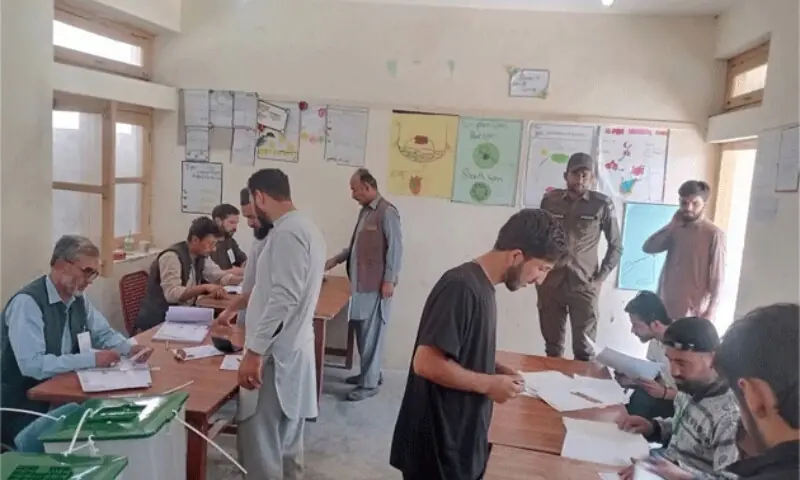

Pakistan's Parliament Underperforms, Acts as Government Rubber-Stamp
Translated from English, summarized and contextualized by DistantNews.
At a glance
News
Sources not specified
Context piece
- Pakistan's parliament has underperformed, acting as a rubber-stamp for the government and showing low attendance rates among members.
- Recent reports highlight that only 20% of National Assembly members attended all sittings in a recent session, with many skipping entirely.
- The government's attitude, particularly in bulldozing constitutional amendments with a two-thirds majority, has undermined parliamentary authority and transparency.
Pakistan's parliament is failing to fulfill its democratic responsibilities, with evidence pointing to underperformance and a subservient role to the government. Recent reports from civil society organizations paint a stark picture of legislative neglect.
Parliament has underperformed. It has acted as little more than a rubber-stamp for the present government.
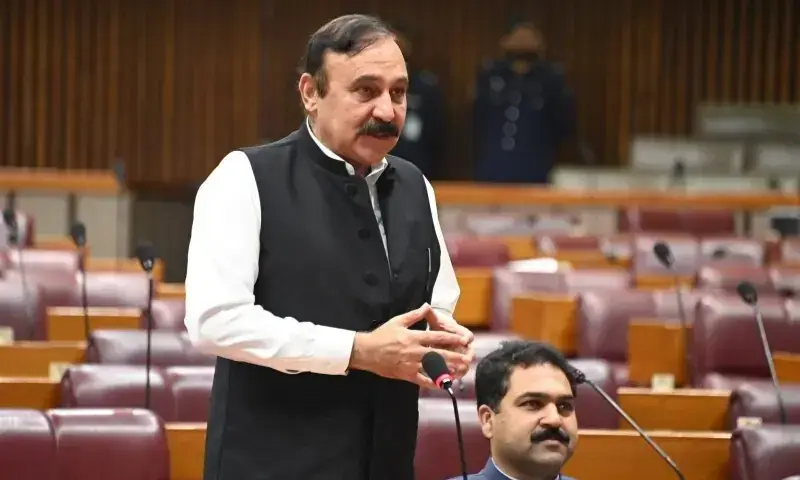
A report by Fafen revealed that only 20 percent of National Assembly members attended all sittings during the 27th session in May. Alarmingly, 33 members were absent for every sitting, including the prime minister and some ministers. The leader of the opposition, however, was present for all sessions. Out of 333 members, 267 missed at least one sitting.
According to Fafen (Free and Fair Election Network), only 20 per cent of MNAs attended all sittings of the Lower House in the 27th session in May. Thirty-three members did not show up for any sitting.
This low engagement is not an isolated issue. An earlier Pildat report evaluating the parliamentary year March 2025 to February 2026 also found poor attendance. The National Assembly faced quorum issues 19 times, leading to eight sittings being adjourned due to absent members. Despite this recurring problem, the ruling party has not addressed the empty benches.
The way constitutional amendments have been bulldozed through parliament in the past two years are a striking illustration of its attitude to parliamentary institutions.
Beyond attendance, the parliament's legislative and deliberative functions are also criticized. The government, holding a simple majority bolstered by its ally the PPP to a two-thirds majority, has been accused of bulldozing constitutional amendments. The 26th Constitutional Amendment in 2024, passed in hours without debate and with its final text withheld from lawmakers, significantly impacted judicial independence and undermined the rule of law. The 27th Constitutional Amendment in November 2025 followed a similar rushed process, striking at the heart of the Constitution with structural changes.
A parliament that doesn’t assert itself surrenders its authority to others.
DistantNews Editorial
Originally published by Dawn in English. Translated, summarized, and contextualized by our editorial team with added local perspective. Read our editorial standards.
More Stories


From Our Blog

What Gets Lost (and Found) When News Is Translated

The Critical Role of Diaspora Media in Global News

What Travellers Should Know About Countries with Restricted Press

A Digital Nomad's Guide to Following Local News

How the Same Story Looks Different in Different Countries
