


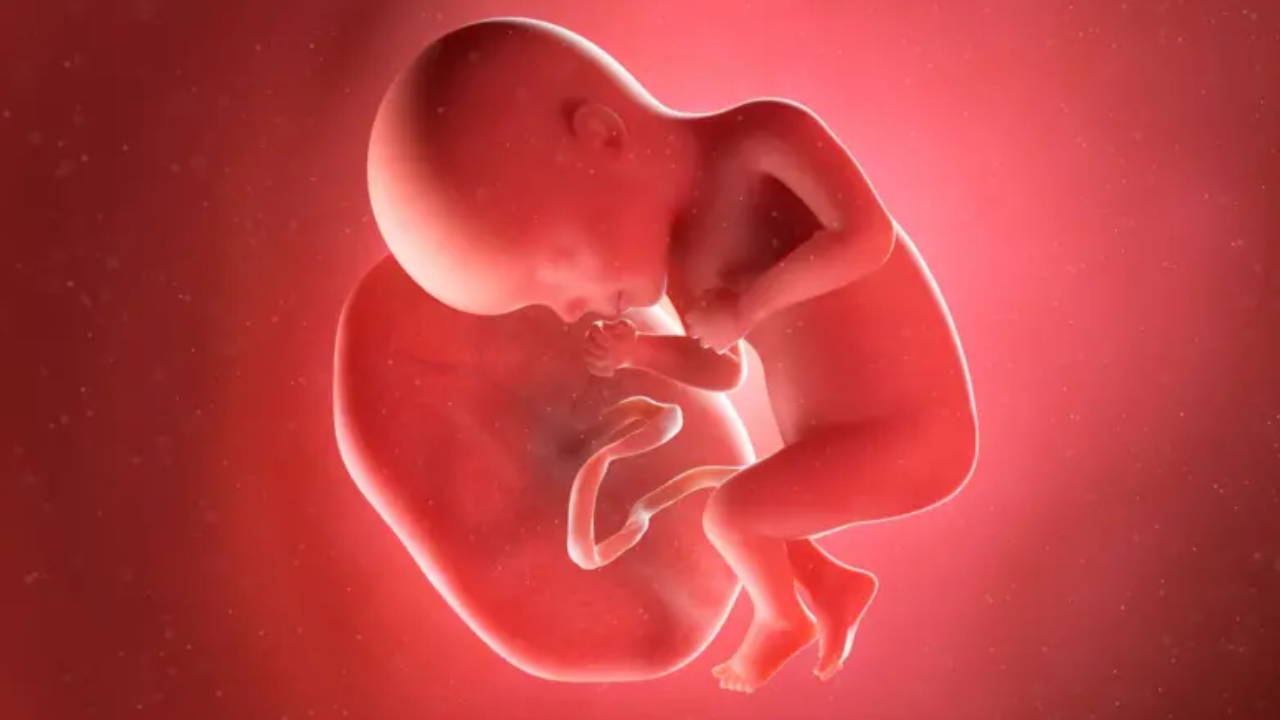
Pakistan seizes 100 kg of human placentas destined for Vietnam
Translated from Turkish, summarized and contextualized by DistantNews.
At a glance
News
Sources not specified
Under investigation
- Pakistani authorities seized 100 kg of human placentas intended for shipment to Vietnam, where their use is illegal.
- Investigations are underway involving immigration officials, waste management companies, and hospitals for alleged complicity in illegal human organ trafficking.
- While placentas are considered infectious medical waste in Pakistan with strict disposal regulations, their extracts are used in traditional medicine globally, with a growing market value.
Pakistani authorities have intercepted a significant quantity of human placentas, totaling 100 kg, at Islamabad International Airport. The shipment was reportedly destined for Vietnam, a country where the use of human placentas is prohibited, unlike animal placentas which are permitted.
The Federal Investigation Agency (FIA) is conducting a probe into a potential organized international network involved in the illicit trade of human placentas. Initially, five suspects claimed the substance was sheep placenta, but later confessed it was human. The FIA has since detained nine individuals suspected of involvement in this trade. An official told BBC News Urdu that while the FIA has previously acted against illegal human organ transplantation, this case marks the first instance involving a network trafficking human placentas.
the FIA has previously acted against illegal human organ transplantation, but this is the first case involving an organized, international network trafficking human placentas.
In Pakistan, placentas are classified as "highly infectious medical waste" with stringent regulations for their disposal. Gynecologist Sadaf Tarık explained that placentas are separated immediately after birth, placed in yellow "biohazard" bags, sealed, and transported to the hospital's central cooling storage to prevent decomposition. They can be stored for a maximum of 24 hours before being destroyed through incineration, a standard medical procedure for all pathological waste, followed by disposal by government-approved waste management companies. Hospitals maintain records of this transfer, which are subject to regular audits.
Globally, placentas are recognized for their rich content of protein, iron, and fat, leading to their use in traditional medicine for centuries. Market research indicates the legal global placenta trade is valued at over $700 million annually and is projected to exceed $1.4 billion by 2034, driven by increasing demand for extracts from various animal and human placentas. This burgeoning market highlights a stark contrast between traditional medicinal uses and the illegal trafficking uncovered in Pakistan.
highly infectious medical waste
DistantNews Editorial
Originally published by Cumhuriyet in Turkish. Translated, summarized, and contextualized by our editorial team with added local perspective. Read our editorial standards.
More Stories


From Our Blog

What Gets Lost (and Found) When News Is Translated

The Critical Role of Diaspora Media in Global News

What Travellers Should Know About Countries with Restricted Press

A Digital Nomad's Guide to Following Local News

How the Same Story Looks Different in Different Countries
