


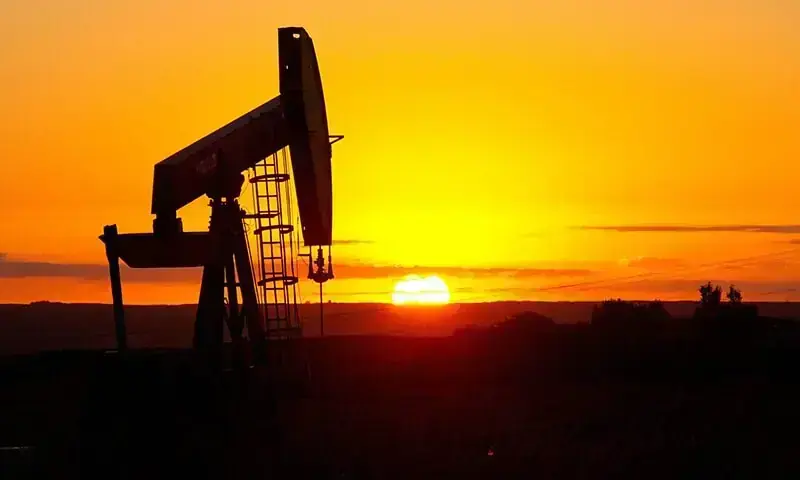
Pakistan warns of hoarding as petrol stocks fall to 14-day cover
Translated from English, summarized and contextualized by DistantNews.
At a glance
News
Named sources
Context piece
- Pakistan faces a potential fuel shortage as petrol stocks decline to a 14-day cover, prompting government intervention.
- Increased petrol consumption and higher import premiums, linked to rising global tensions and reduced smuggled inflows, are contributing factors.
- The government is reviewing fuel conservation measures and addressing industry concerns about pending payments and customs clearance.
Pakistan's oil supply chain is on edge as petrol reserves have dwindled to just 14 days' worth, triggering urgent government action. The National Coordination and Management Council (NCMC), a civil-military body overseeing energy supplies, convened a meeting to address the situation. Minister for Economic Affairs Ahad Khan Cheema chairs the NCMC, with Lt Gen Zafar Iqbal as co-chairman of its executive committee.
The decline in stocks is attributed to a surge in petrol consumption over the past three weeks, following a significant price cut. Consumption in early July was up 18-20% year-on-year, while diesel demand rose about 40% compared to the five-year average for July. This increase suggests a reduction in smuggled fuel from Iran, likely due to a narrowing price gap.
Adding to the pressure, Pakistan State Oil (PSO) had two import cargoes canceled after failing to secure clearance from the NCMC amid falling global prices. Renewed tensions between the US and Iran have since sent import premiums soaring, with PSO's latest petrol cargoes attracting premiums around $25 per barrel, up from $12 just ten days prior. The current price differential incentivizes dealers and hoarders, with petrol and diesel becoming costlier by Rs10-12 and Rs40-42 per litre, respectively.
Smaller oil players are hesitant to increase supplies due to over Rs66 billion in pending price differential claims against the government and customs clearance challenges. While PSO remains the primary fuel supplier, local refineries can only meet about 9,000 tonnes of daily petrol demand, which stands at 25,000 tonnes. Diesel stocks are more stable at 21 days' cover, with local refineries supplying 16,000 tonnes of the 23,000-tonne daily demand.
The Oil Companies Advisory Council (OCAC) issued a stark warning about an impending supply chain crisis. During the NCMC meeting, OCAC representatives detailed the supply-side challenges they face, highlighting the critical need for government intervention to prevent further stock depletion and ensure market stability.
the supply-side challenges highlighted by the representatives of the OCAC
DistantNews Editorial
Originally published by Dawn in English. Translated, summarized, and contextualized by our editorial team with added local perspective. Read our editorial standards.
More Stories

From Our Blog

What Gets Lost (and Found) When News Is Translated

The Critical Role of Diaspora Media in Global News

What Travellers Should Know About Countries with Restricted Press

A Digital Nomad's Guide to Following Local News

How the Same Story Looks Different in Different Countries
