


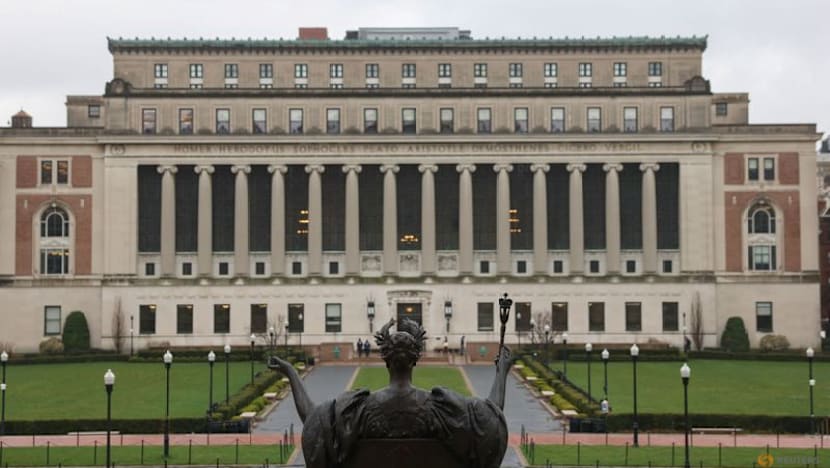
Palestinian students and staff sue Columbia University alleging discrimination
Summarized and contextualized by DistantNews.
At a glance
News
Named sources
Context piece
- A group of Palestinian students and staff are suing Columbia University in New York, alleging discriminatory treatment and harassment since late 2023.
- The lawsuit claims the university failed to protect its Palestinian community and subjected them to biased disciplinary hearings.
- Columbia University has previously denied discrimination and condemned hate speech, declining to comment on the pending litigation.
A lawsuit filed in New York alleges Columbia University discriminated against its Palestinian students and staff. The plaintiffs, a group of current and former Palestinian students and staff, claim the university failed to protect them from harassment and subjected them to unfair disciplinary hearings. This alleged mistreatment began in late 2023, following the start of Israel's assault on Gaza. The lawsuit also states the university targeted the Palestinian community.
Columbia University has previously denied allegations of discrimination and condemned hate speech. The university declined to comment on the pending litigation when reached by Reuters. The legal action comes amid heightened tensions and protests on university campuses across the US, including Columbia, demanding an end to US support for Israel and university divestment from companies supporting the country.
In May 2025, Columbia suspended over 65 students for their involvement in shutting down the university's main library during a pro-Palestinian demonstration. This action occurred while the university was in negotiations with the Trump administration, which had previously cut federal funding over accusations of tolerating antisemitism during protests. Free speech advocates criticized Columbia's response to the protests, which led to student arrests, suspensions, expulsions, and degree revocations.
DistantNews Editorial
Originally published by CNA. Summarized and contextualized by our editorial team with added local perspective. Read our editorial standards.
More Stories



From Our Blog

What Gets Lost (and Found) When News Is Translated

The Critical Role of Diaspora Media in Global News

What Travellers Should Know About Countries with Restricted Press

A Digital Nomad's Guide to Following Local News

How the Same Story Looks Different in Different Countries
