


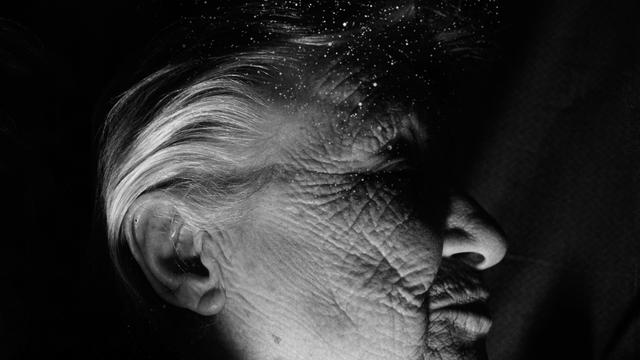
Palliative care: “Our childhood catches up with us when we face death”
Translated from German and summarized by DistantNews. Read the original for the full story.
At a glance
Interview
Named sources
Context piece
- Retired palliative-care physician Yvonne Petersen says many families confront the question of death only when a relative is close to dying.
- She contrasts today’s limited preparation for death with earlier cultural traditions that openly reflected on mortality.
- Petersen says an advance directive can help families discuss the end of life, but dying still presents an unfamiliar challenge for every family.
For many families, the question of death becomes real only when a relative is already dying, according to retired palliative-care physician Yvonne Petersen.
Petersen, who spent decades accompanying terminally ill patients, says families face an unfamiliar challenge when death approaches. An advance directive can provide a useful reason to discuss the end of life together, but it cannot remove the difficulty of the moment.
She recalls a time when people encountered more cultural reminders of mortality. Paintings displayed vanitas symbols and skulls, while the phrase “Memento mori”, remember that you must die, offered a spiritual framework for thinking about death. Petersen says such preparation never guaranteed that dying would become easier.
Her reflections come from years of caring for patients at the end of their lives. She says a person’s attachment patterns, learned during childhood, can become especially visible as death approaches.
Our childhood catches up with us when we face death.
About this summary
Originally published by Die Zeit in German. Translated, summarized, and contextualized automatically by DistantNews, with a note on how the source frames the story. Not individually reviewed before publishing. How this works.
More Stories


From Our Blog

What Gets Lost (and Found) When News Is Translated

How the Same Story Looks Different in Different Countries

The Critical Role of Diaspora Media in Global News

What Travellers Should Know About Countries with Restricted Press

A Digital Nomad's Guide to Following Local News
