


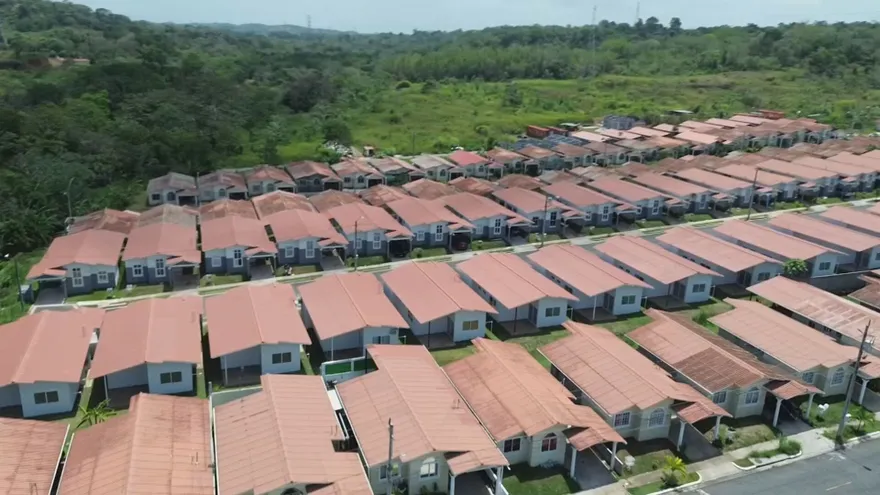
Panama Assembly advances bill exempting ITBI for homes up to $120,000
Translated from Spanish and summarized by DistantNews. Read the original for the full story.
At a glance
News
Named sources
Approved/passed
- The Panamanian National Assembly has approved a bill in its second debate that exempts the Property Transfer Tax (ITBI) on the first sale of new homes valued up to B/.120,000.
- The bill introduces a progressive scale for higher-value homes, with rates ranging from 0.5% to 1.8% on the excess value.
- The measure also applies to homes with occupancy permits issued before the law's enactment, provided the sale is formalized within two years.
Panama's National Assembly has advanced a bill that aims to ease the burden of the Property Transfer Tax (ITBI) for first-time homebuyers. The legislation, approved in its second debate, proposes a full 100% exemption from ITBI for the initial sale of new homes valued at B/.120,000 or less.
For homes exceeding this threshold, the bill outlines a progressive tax scale. Properties valued between B/.120,001 and B/.130,000 would face a 0.5% tax on the excess amount. This rate increases incrementally, reaching 1.8% for properties priced between B/.190,001 and B/.200,000.
Minister of Economy and Finance Felipe Chapman presented the initiative, emphasizing its role in addressing the ongoing concern of housing affordability for Panamanian families. The bill modifies a law regulating ITBI for over five decades. It also includes provisions for homes that have already received an occupancy permit before the law takes effect, provided the sale is completed within two years of the permit's issuance.
However, the bill faced criticism from some deputies. Ernesto Cedeño questioned its effectiveness and potential constitutional "violations," demanding a report from the Comptroller General's Office. The current ITBI rate stands at 2% of the sale price or cadastral value, whichever is greater.
About this summary
Originally published by TVN Panamá in Spanish. Translated, summarized, and contextualized automatically by DistantNews, with a note on how the source frames the story. Not individually reviewed before publishing. How this works.
More Stories



From Our Blog

What Gets Lost (and Found) When News Is Translated

The Critical Role of Diaspora Media in Global News

What Travellers Should Know About Countries with Restricted Press

A Digital Nomad's Guide to Following Local News

How the Same Story Looks Different in Different Countries
