


Panama Canal evaluates traffic adjustments due to El Niño variations
Translated from Spanish, summarized and contextualized by DistantNews.
At a glance
News
Sources not specified
Context piece
- The Panama Canal Authority is monitoring El Niño's climate variations and considering adjustments to ship traffic.
- The canal administration is reviewing operational conditions and transit capacity due to El Niño's prolonged and early impact.
- Potential measures include transit capacity considerations and draft adjustments, similar to those implemented in 2023-2024, to ensure water supply for the population and the waterway.
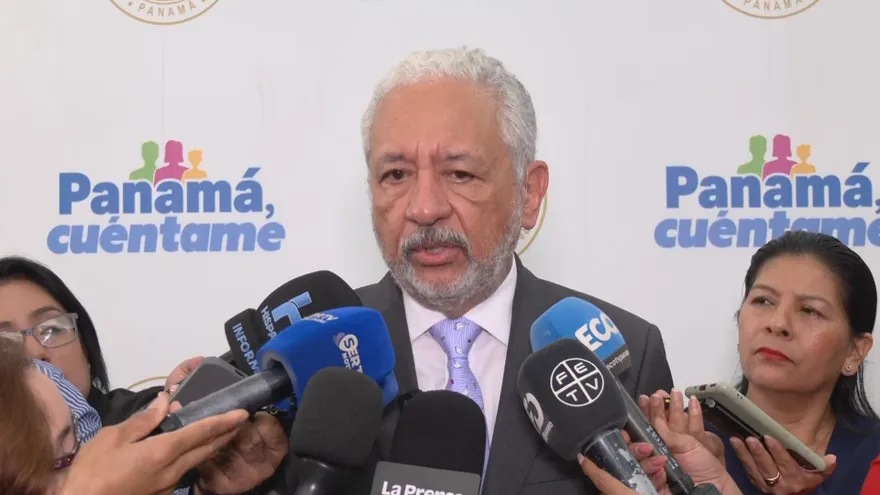
The Panama Canal Authority (ACP) is closely monitoring the climate variations associated with the El Niño phenomenon and is evaluating potential adjustments to maritime traffic. Ricaurte Vásquez, the administrator of the interoceanic waterway, confirmed that the institution is reviewing operational conditions and vessel transit capacity.
This review is taking place as the ACP prepares to submit its annual budget to the board of directors. The administration noted that the current El Niño event exhibits different characteristics compared to previous years. Although the period began with high water levels in the reservoirs supplying the system, the impact of meteorological variations has been felt earlier and is projected to last longer.
In response to this situation, the ACP is considering preventive measures to guarantee water supply for the population and preserve the functionality of the maritime route. These measures could include adjustments to transit capacity, similar to actions taken during the 2023 and 2024 periods, alongside routine draft assessments for vessels.
The evaluations occur amidst high demand for ship passage, particularly for strategic cargo such as petroleum derivatives and fuels. Definitive decisions regarding transit restrictions and operational adjustments will be announced after technical studies on water resource availability are completed.
DistantNews Editorial
Originally published by TVN Panamá in Spanish. Translated, summarized, and contextualized by our editorial team with added local perspective. Read our editorial standards.
More Stories

From Our Blog

What Gets Lost (and Found) When News Is Translated

The Critical Role of Diaspora Media in Global News

What Travellers Should Know About Countries with Restricted Press

A Digital Nomad's Guide to Following Local News

How the Same Story Looks Different in Different Countries
