


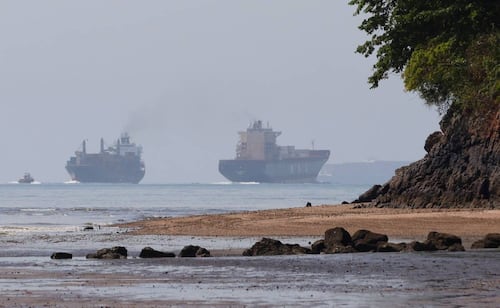
Panama Canal Restricts Daily Ship Transits to 32 Amid Severe Drought
Translated from Spanish, summarized and contextualized by DistantNews.
At a glance
News
Sources not specified
Context piece
- The Panama Canal will reduce its daily ship transits from an average of 36 to 32 starting September 3, 2026, due to a severe drought linked to El Niño.
- This measure, along with existing draft restrictions, aims to conserve water and ensure the canal's long-term operational sustainability.
- The reduction will affect both the Neopanamax and Panamax locks, potentially increasing waiting times for vessels without confirmed reservations.
The Panama Canal Authority announced a significant reduction in daily ship transits, lowering the average from 36 to 32 vessels. This measure, effective September 3, 2026, is a direct response to the severe drought conditions exacerbated by a strong El Niño phenomenon, which is expected to persist until 2027.
The canal, a vital artery for global trade, will adjust transit numbers across its locks. The Neopanamax locks, part of the canal's expansion, will see daily slots reduced from an average of 10 to nine. The historic Panamax locks will decrease from 26 to 25 daily transits initially. By September 15, 2026, the Panamax lock capacity will further decrease to 23, bringing the total daily transits to 32.
The current conditions of the basin, including precipitation below forecasts in the Canal's watershed, require additional actions to support the long-term sustainability of transit operations.
These transit restrictions are in addition to existing draft limitations, which dictate the maximum depth of ships allowed. The authority has also adjusted the timeline for implementing certain draft reductions, citing lower-than-expected rainfall in the canal's watershed. The administration emphasized that these actions are necessary to support the long-term sustainability of transit operations.
Customers are advised that the reduced transit capacity could lead to longer waiting times for vessels arriving without confirmed reservations. The canal administration recommends utilizing its reservation system to avoid significant delays. The canal, operational since 1914 and expanded in 2016, relies on freshwater from Gatun and Alhajuela lakes, which are critically affected by the current drought.
The reduction of daily transits could increase waiting times for vessels arriving at the waterway without a confirmed reservation.
DistantNews Editorial
Originally published by El Universal in Spanish. Translated, summarized, and contextualized by our editorial team with added local perspective. Read our editorial standards.
More Stories



From Our Blog

What Press Freedom Means for the News You Read

What Gets Lost (and Found) When News Is Translated

The Critical Role of Diaspora Media in Global News

What Travellers Should Know About Countries with Restricted Press

A Digital Nomad's Guide to Following Local News
