


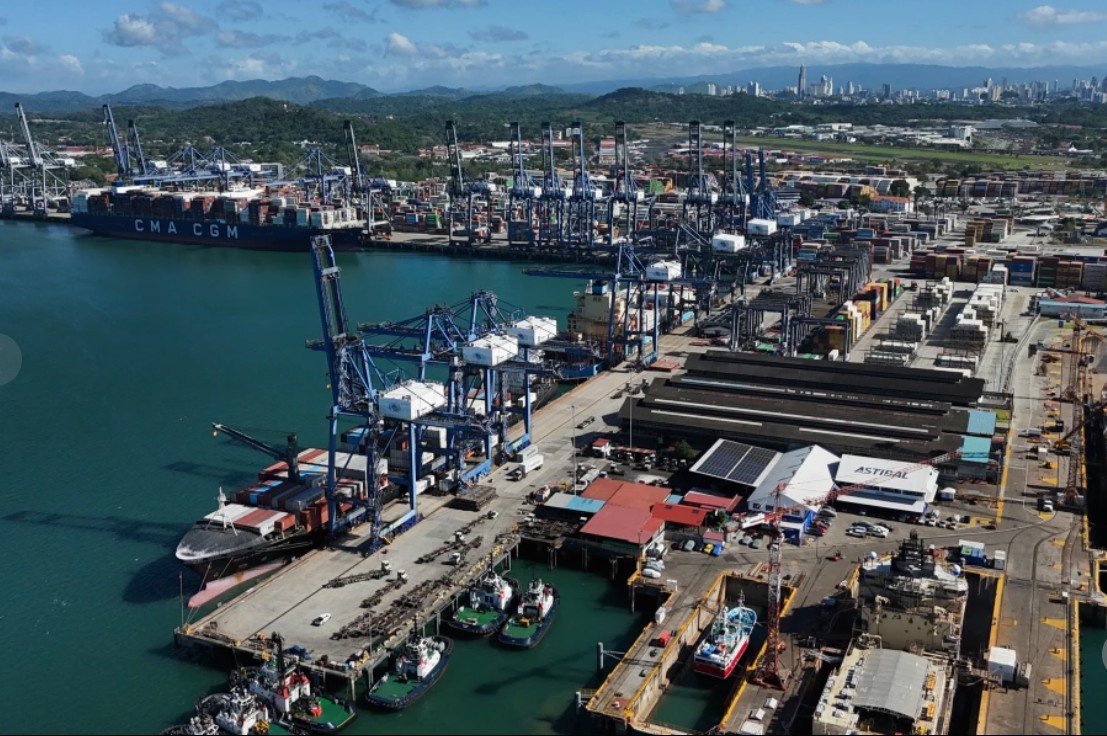
Panama Canal Traffic Soars, Express Fees Hit $4 Million Amid Hormuz Blockade
Translated from Korean, summarized and contextualized by DistantNews.
TLDR
- The Panama Canal is experiencing a surge in traffic as ships reroute to avoid the blocked Strait of Hormuz.
- This increased demand has driven up 'express' transit fees to $4 million (approximately 5.9 billion won), a fourfold increase from early last month.
- The congestion is the most severe since the 2023-2024 drought, with Asian nations increasingly relying on the canal for alternative oil and gas supplies.
The ongoing disruptions in the Strait of Hormuz are forcing global trade routes to adapt, with the Panama Canal emerging as a critical, albeit increasingly congested, alternative. This shift underscores the fragility of key maritime chokepoints and the ripple effects their closure can have on international commerce. For nations reliant on stable energy imports, particularly in Asia, the Panama Canal's role has become indispensable, highlighting its strategic importance in global supply chains.
The dramatic rise in 'express' transit fees, reaching $4 million, illustrates the intense competition for passage. This premium reflects not only the immediate need to bypass the Hormuz Strait but also the broader logistical challenges exacerbated by previous drought-related restrictions on canal traffic. The situation is a stark reminder of how geopolitical events and environmental factors can converge to disrupt global trade, leading to significant cost increases for essential goods like oil and gas.
The express fee agreed upon for the recent LPG carrier was the result of temporary market changes, not an official fee set by the Canal Authority.
From a South Korean perspective, which relies heavily on imported energy, the stability of global shipping routes is paramount. While the article focuses on the mechanics of canal traffic and pricing, the underlying issue is the security of energy supply. The rerouting through Panama, while a functional solution, adds time and cost, potentially impacting domestic energy prices and industrial output. This situation emphasizes the need for diversified energy sourcing and robust maritime security to mitigate such risks.
These auctions are determined by various factors such as individual customer urgency, global supply and demand, freight rates, and fluctuations in ship fuel prices.
DistantNews Editorial
Originally published by Dong-A Ilbo in Korean. Translated, summarized, and contextualized by our editorial team with added local perspective. Read our editorial standards.
More Stories


From Our Blog

What Gets Lost (and Found) When News Is Translated

The Critical Role of Diaspora Media in Global News

What Travellers Should Know About Countries with Restricted Press

A Digital Nomad's Guide to Following Local News

How the Same Story Looks Different in Different Countries
