


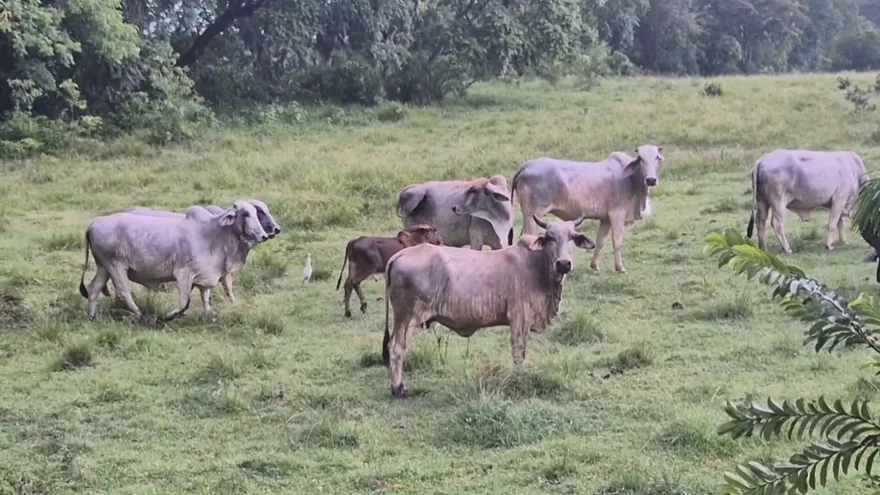
Panama cattle ranchers propose drought plan to mitigate El Niño effects
Translated from Spanish, summarized and contextualized by DistantNews.
At a glance
News
Named sources
New plan
- Panama's National Cattle Ranchers Association (Anagan) proposed a drought plan to the Ministry of Agricultural Development.
- The plan includes a trust fund managed by the National Bank of Panama for low-interest loans to producers.
- Funds will support irrigation, livestock feed production, and other mitigation measures against El Niño's effects.
Panama's cattle ranchers have presented a proactive 'Drought Plan' to the Ministry of Agricultural Development (MIDA), aiming to bolster the livestock sector's resilience against the anticipated impacts of the El Niño phenomenon and rising temperatures. The National Cattle Ranchers Association (Anagan) detailed its proposal, which includes establishing a trust fund managed by the National Bank of Panama.
This financial mechanism would provide producers with access to low-interest credit lines. The resources are earmarked for crucial mitigation efforts, such as implementing irrigation systems, boosting the production and storage of feed for livestock, and undertaking other actions designed to lessen the severity of drought conditions on cattle farming.
Anagan President Samuel Vernaza emphasized the sector's need to anticipate challenging climate scenarios. "You are never sufficiently prepared to face these types of climate changes, especially with the severity with which this El Niño phenomenon has been warned," Vernaza stated. He noted that the association responsibly submitted the 'Drought Plan' to the Minister of Agricultural Development, and its implementation now rests with the ministry.
Panamanian authorities have acknowledged the potential impacts of El Niño and high temperatures on agriculture, water availability, and other sensitive sectors. Ranchers argue that an early, coordinated response is vital to minimize economic losses and ensure the continuity of production, urging for their proposal to be integrated into national preparedness strategies for the dry season.
You are never sufficiently prepared to face these types of climate changes, especially with the severity with which this El Niño phenomenon has been warned.
DistantNews Editorial
Originally published by TVN Panamá in Spanish. Translated, summarized, and contextualized by our editorial team with added local perspective. Read our editorial standards.
More Stories

From Our Blog

What Gets Lost (and Found) When News Is Translated

The Critical Role of Diaspora Media in Global News

What Travellers Should Know About Countries with Restricted Press

A Digital Nomad's Guide to Following Local News

How the Same Story Looks Different in Different Countries
