

Panama Health Ministry Urges Heatstroke Prevention Amid El Niño and Rising Temperatures
Translated from Spanish, summarized and contextualized by DistantNews.
At a glance
News
Sources not specified
Context piece
- Panama's Ministry of Health urges preventative measures against heatstroke due to prolonged El Niño and rising temperatures.
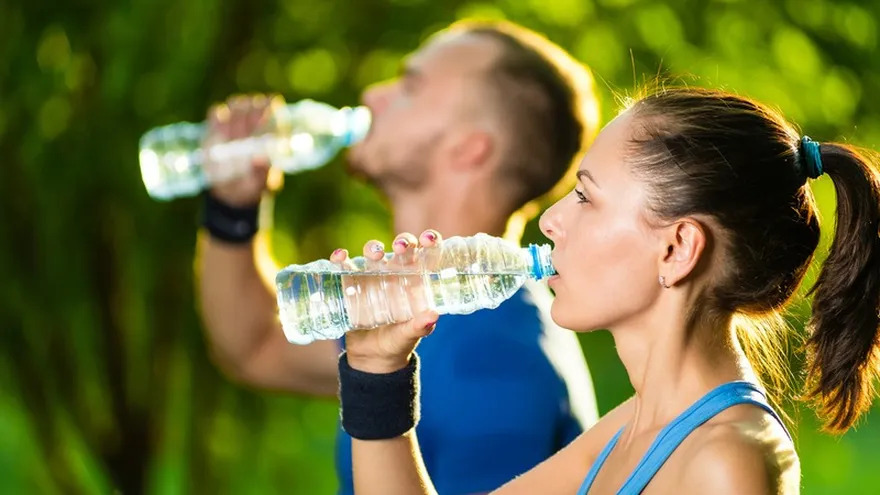
- Recommendations include staying hydrated, avoiding peak sun hours, and seeking cool environments.
- Health officials warn of increased risks for vulnerable populations, emphasizing preparedness and coordination.
Panama's Ministry of Health (Minsa) is calling for public vigilance against heatstroke as the nation braces for the extended El Niño phenomenon and anticipated temperature increases in the latter half of the year. Oris Iglesias, national director of Health Promotion, advised citizens to drink water frequently, wear light-colored, loose clothing, and promptly recognize signs of heat exhaustion such as dizziness, nausea, severe headaches, confusion, weakness, or fainting.
These advisories follow a report from the Institute of Meteorology and Hydrology of Panama (Imhpa). Imhpa forecasts a rainfall deficit across much of the country between July and December 2026. This dry spell is expected to be accompanied by rising temperatures and increased heat index, directly linked to the prolonged El Niño. Imhpa warns that these conditions could elevate health risks, particularly for children, the elderly, individuals with chronic illnesses, and those engaged in outdoor activities.
Hydrate constantly, avoid sun exposure during peak radiation hours, and stay in cool places.
The health recommendations align with analyses from the Pan American Health Organization (PAHO). PAHO indicates that El Niño's health impacts will hinge on public exposure levels, existing vulnerabilities, and the responsiveness of healthcare systems. The organization stresses the need to bolster epidemiological surveillance, preventive actions, and inter-institutional coordination to mitigate the effects of the climate phenomenon.
Minsa reiterated its appeal for the public to stay informed through official channels. The ministry reminded citizens that thirst and physical fatigue can be indicators of dehydration, and one should not wait until feeling extremely thirsty to consume water. The health authorities are emphasizing proactive measures to safeguard public well-being during this period of heightened climate risk.
The effects of El Niño on health will depend on the level of exposure of the population, the conditions of vulnerability, and the response capacity of health systems.
DistantNews Editorial
Originally published by TVN Panamá in Spanish. Translated, summarized, and contextualized by our editorial team with added local perspective. Read our editorial standards.
More Stories
From Our Blog

What Gets Lost (and Found) When News Is Translated

The Critical Role of Diaspora Media in Global News

What Travellers Should Know About Countries with Restricted Press

A Digital Nomad's Guide to Following Local News

How the Same Story Looks Different in Different Countries
