


Panama's 2027 General State Budget totals $35.11 billion, prioritizing infrastructure
Translated from Spanish, summarized and contextualized by DistantNews.
At a glance
News
Official statement
New plan
- Panama's Cabinet Council approved the 2027 General State Budget, totaling $35.11 billion, an increase of $210.9 million from the current budget.
- The budget projects a 4% economic growth rate, aligning with national and international analyst forecasts.
- Investment in physical infrastructure is prioritized, with $7.065 billion allocated, representing over 7% of the estimated GDP for 2027.
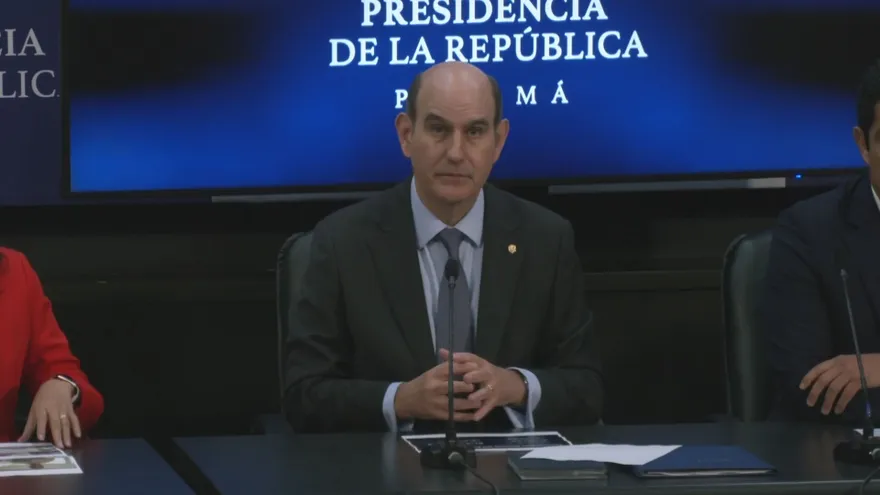
Panama's government has put forward a General State Budget for 2027 amounting to $35.11 billion, a modest increase of $210.9 million over the current budget. The Cabinet Council approved the proposal, which projects a 4% economic growth rate, a figure that aligns with expectations from both domestic and international analysts. The budget will now be presented to the National Assembly by the Minister of Economy and Finance, Felipe Chapman.
Chapman detailed that the budget allocates $12.56 billion for investments, encompassing both financial and physical assets, marking an increase of $1.375 billion. The remaining $22.54 billion is designated for the state's operational functions. This distribution means 64.2% of the budget will support state operations, while 35.8% will be directed towards investment.
A significant focus of the investment component is physical infrastructure, which will receive $7.065 billion. This allocation represents over 7% of Panama's estimated Gross Domestic Product (GDP) for 2027. Minister Chapman highlighted that this level of investment in infrastructure is among the highest globally, substantially exceeding the average for Latin America and developed countries, which typically fall below 4% of GDP.
The budget aims to adhere to the Fiscal Social Responsibility Law, maintaining a deficit below 3%, specifically targeting 2.97% of the GDP. The composition of investments shows a shift towards physical infrastructure, increasing its share from 52% to over 56% within the investment component, while financial investments, primarily in state banks and the Social Security Fund, will decrease from 47% to 43%.
This places this level of investment among the highest in the world, substantially higher, for example, than the average in Latin America, which is less than 4%. Likewise, the case of developed countries, whose average, if we take the OECD average, is also below 4%.
DistantNews Editorial
Originally published by TVN Panamá in Spanish. Translated, summarized, and contextualized by our editorial team with added local perspective. Read our editorial standards.
More Stories


From Our Blog

What Gets Lost (and Found) When News Is Translated

The Critical Role of Diaspora Media in Global News

What Travellers Should Know About Countries with Restricted Press

A Digital Nomad's Guide to Following Local News

How the Same Story Looks Different in Different Countries
