


Panama’s agriculture ministry to allocate $8.2 million to address El Niño effects
Translated from Spanish and summarized by DistantNews. Read the original for the full story.
At a glance
News
Named sources
New plan
- Panama’s Agriculture Development Ministry requested $8.2 million from emergency funds to address El Niño-related drought and excessive rainfall.
- The plan includes $6.7 million for drought measures such as 30 masonry dams, 2,000 livestock watering points and equipment, while $1.5 million would address excess water damage.
- Officials said rice production could fall by 10% to 15% and onion production by 15%, but current rice supplies are sufficient to avoid imports for now.
Panama’s Agriculture Development Ministry plans to spend $8.2 million to confront the agricultural effects of El Niño, drawing from the $80 million authorized under a state of emergency.
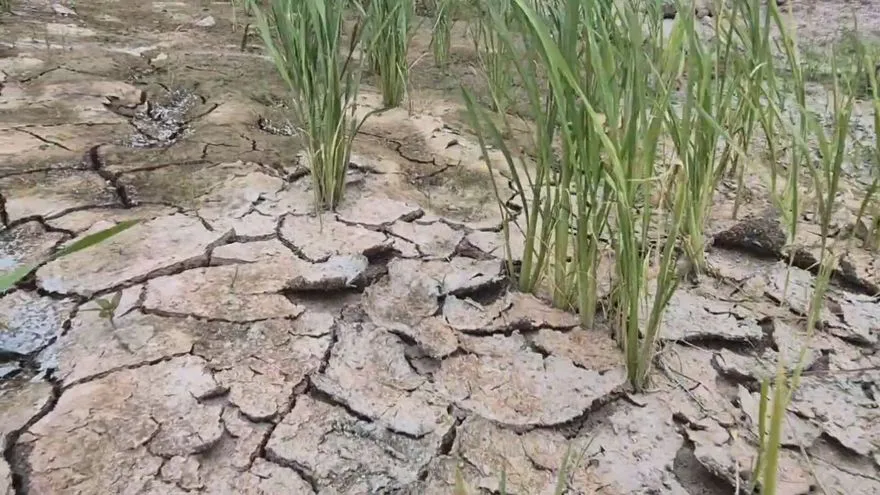
Agriculture Minister Roberto Linares told the National Assembly that Herrera, Los Santos and Coclé face the greatest risk. Rice production could be affected by 10% to 15%, while onion production could fall by 15%. Livestock could also suffer from the conditions.
The ministry is dividing the requested funds between drought and excessive rainfall. Vice Minister José Aníbal Rincón said $6.7 million would target drought in Azuero and the central provinces. That allocation includes about 30 masonry dams in the Dry Arc, 2,000 livestock watering points and equipment purchases.
The remaining $1.5 million would address excess water, particularly damage to plantain production in Bocas del Toro and Puerto Armuelles. Officials said the funds would not be limited to drought response in Azuero and the central provinces, but would also cover areas affected by heavy rain.
Despite the expected impact, Linares said existing rice acreage and production can currently guarantee national supply, meaning Panama does not need to resort to imports. He also said the ministry cannot control food prices or determine whether products will become more expensive.
For the drought, a budget of $6.7 million is being considered. That includes around 30 masonry dams in the Dry Arc, 2,000 livestock watering points and the purchase of equipment.
About this summary
Originally published by TVN Panamá in Spanish. Translated, summarized, and contextualized automatically by DistantNews, with a note on how the source frames the story. Not individually reviewed before publishing. How this works.
More Stories
From Our Blog

News in Translation: What Gets Lost, and How We Keep the Framing

Diaspora Media: How Communities Abroad Follow Home

Traveling Where the Press Is Not Free: How to Read the News There

The Digital Nomad's Guide to Local News

The Same Story, Different Countries: How Coverage Changes at the Border
