

Panama's Credit Card Debt Rises Amidst Financial Literacy Gaps
Translated from Spanish, summarized and contextualized by DistantNews.
At a glance
News
Sources not specified
Context piece
- Credit cards are a common financial tool in Panama, enabling purchases like housing, cars, and education, but can become a burden if overused.
- A 24-year-old woman shared her experience of impulsive credit card spending leading to significant debt, highlighting a need for financial education.
- Official figures show a 7.4% increase in credit card balances in Panama's banking system, with over 22,000 new cards issued in April 2026, indicating widespread use and potential for debt.
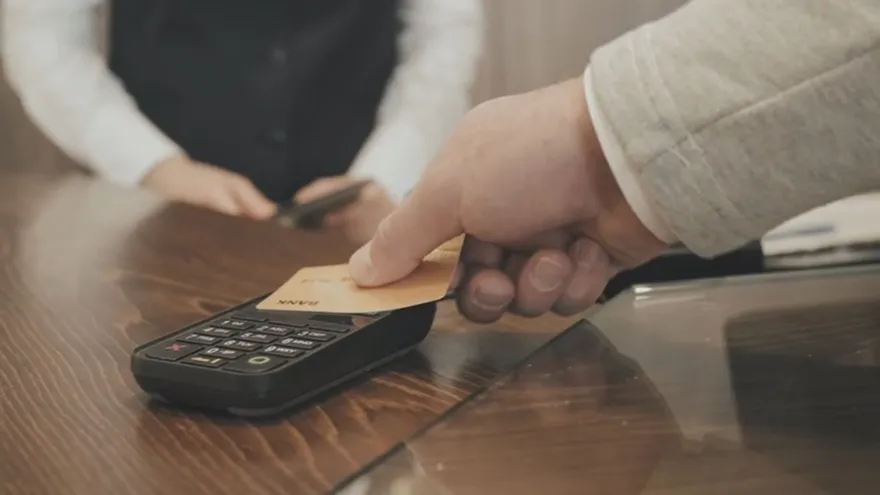
Credit cards have become an integral part of daily life in Panama, offering a pathway to acquiring significant assets like homes and cars, or managing emergencies. However, their convenience can quickly turn into a heavy burden when they become the sole means of maintaining a lifestyle, as 24-year-old Victoria De Las Casas learned.
Yes, they get you out of a bind, they are a good tool as long as they are used correctly and I wish I had known this before, a long time ago when I started using it. Because I wish they had taught me something about this in school, not for life and banks to teach me.
De Las Casas recounted her impulsive use of credit cards for travel, clothing, and electronics, leading to a situation where minimum payments consumed nearly her entire salary. Reflecting on her experience, she emphasized the importance of responsible credit card usage and expressed a wish for earlier financial education, stating, "I wish they had taught me something about this in school, not for life and banks to teach me."
Data from APC Experian reveals that by April 2026, credit card balances in Panama's banking system reached $2,977 million, a 7.4% increase from the previous year. In April alone, 22,604 new credit cards were activated, making it the most frequently issued credit product by banks. This widespread accessibility underscores the potential for both financial empowerment and significant debt.
One takes out a credit card for $1,500 and uses the $1,500; one should be paying between $36 and $46 monthly as a minimum payment to be able to repay the card. However, of those $46, only 36 cents will be payment of the capital and the rest will be to pay interest. In that way, what happens is that it is a capital debt that will never go down and that will always remain high. So the payment should always be higher than the minimum so that one can actively reduce the capital.
Diego Morales, director of Free Competition at Acodeco, advises that using only the minimum payment on a credit card, such as $46 on a $1,500 balance, primarily covers interest, with only a small portion reducing the principal. To actively manage debt, payments should consistently exceed the minimum to effectively reduce the capital. Meanwhile, lawyer Laura González notes that many clients seeking help with diverse credit problems are overwhelmed by anxiety, sometimes losing property or struggling to feed their families due to unmanageable debt, highlighting a critical gap in financial literacy and responsible lending practices.
People arrive at my office frustrated, people arrive crying and desperate with a level of anxiety through the roof and they don't know what to do. For example, when they lose a property, when they are left homeless or when they reach a level of indebtedness that they don't know how to feed their children.
DistantNews Editorial
Originally published by TVN Panamá in Spanish. Translated, summarized, and contextualized by our editorial team with added local perspective. Read our editorial standards.
More Stories
From Our Blog

What Gets Lost (and Found) When News Is Translated

The Critical Role of Diaspora Media in Global News

What Travellers Should Know About Countries with Restricted Press

A Digital Nomad's Guide to Following Local News

How the Same Story Looks Different in Different Countries
