


Panama's Electoral Tribunal launches tech strategy for 2029 elections
Translated from Spanish, summarized and contextualized by DistantNews.
At a glance
News
Official statement
New plan
- Panama's Electoral Tribunal has launched its technological and digital security strategy for the 2029 general elections.
- The plan aims to strengthen IT infrastructure, protect electoral data, and preemptively address potential risks.
- Key focus areas include logistics, the electoral roll, internal system development, security, and future field simulations.
Panama's Electoral Tribunal (TE) has formally initiated the technological and digital security strategy for the 2029 general elections, part of its General Electoral Plan (Plagel). This initiative seeks to bolster the country's IT infrastructure, safeguard electoral data, and proactively identify and mitigate potential risks throughout the electoral process.
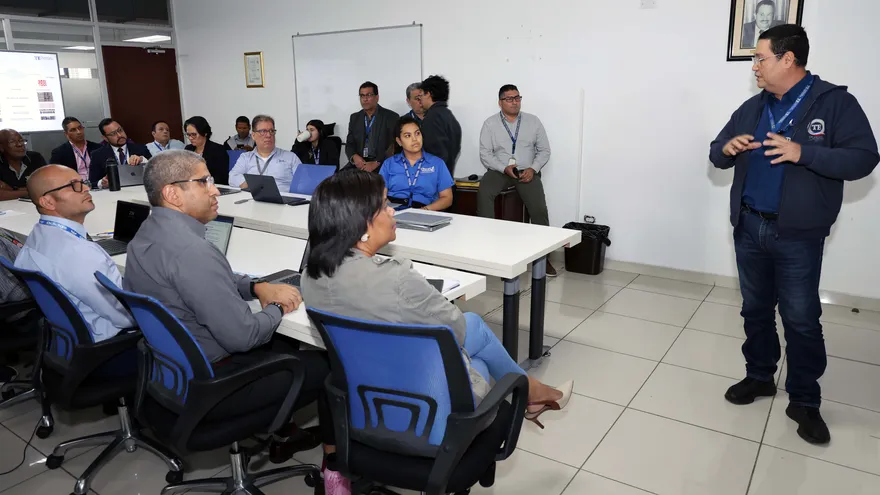
The launch meeting, led by the Plagel's Systematization and Computer Security Commissions, marks a continuation of ongoing work. These commissions have already held preliminary meetings and made progress on applications relevant to the electoral cycle. Their shared objective is to ensure the integrity of the elections by identifying vulnerabilities and addressing potential attacks before they occur.
Discussions during the launch focused on four main areas: logistics and the electoral roll, internal system development, security and audits, and future field simulations. These components encompass planning staff training, defining the electoral roll, determining polling station locations, verifying territorial boundaries, and managing the free candidacy system.
The TE's IT system faced 31.5 million cyberattacks on May 5, 2024, the day of the general elections. This number is significantly lower than the 90 million attacks recorded during the 2019 elections, indicating improved security measures. The strategy emphasizes building a robust, in-house technological infrastructure before integrating with external platforms to guarantee the confidentiality and protection of electoral data.
The common purpose, according to a statement from the TE, is to protect the integrity of the electoral process, identify vulnerabilities in advance, and mitigate risks or possible attacks before they materialize.
DistantNews Editorial
Originally published by TVN Panamá in Spanish. Translated, summarized, and contextualized by our editorial team with added local perspective. Read our editorial standards.
More Stories



From Our Blog

What Gets Lost (and Found) When News Is Translated

The Critical Role of Diaspora Media in Global News

What Travellers Should Know About Countries with Restricted Press

A Digital Nomad's Guide to Following Local News

How the Same Story Looks Different in Different Countries
