


Panama tightens monitoring as respiratory syncytial virus cases and deaths rise
Translated from Spanish and summarized by DistantNews. Read the original for the full story.
At a glance
News
Official statement
Ongoing story
- Panama’s Health Ministry said RSV incidence rose from five to 15.6 cases per 100,000 people between epidemiological weeks 23 and 33.
- Authorities reported 19 RSV-associated deaths through week 33, including 10 among infants under one year old.
- The ministry urged caregivers to seek immediate medical attention for babies with breathing or feeding difficulties and distributed 13,700 monoclonal-antibody doses across the country’s 15 health regions.
Panama’s Health Ministry has strengthened epidemiological surveillance as respiratory syncytial virus infections and associated deaths continue to rise.
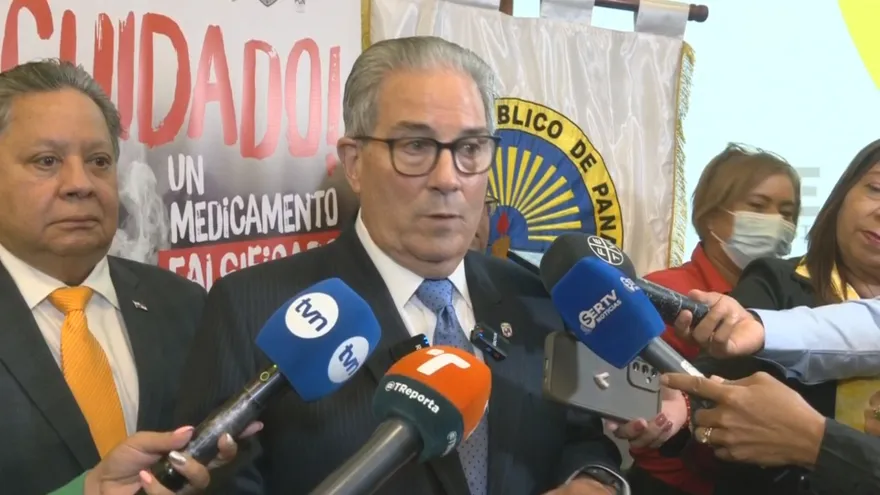
Yadira de Moltó of the ministry’s Epidemiology Department said incidence increased from five cases per 100,000 people in epidemiological week 23 to 12 in week 32, then to 15.6 in week 33. She said the upward trend matched the expected season for respiratory illnesses, while authorities estimated that cases could begin to decline within two or three weeks.
Panama had recorded 19 RSV-associated deaths by week 33. Ten involved children under one year old, five involved one-year-olds, two involved people aged 65 or older, and two involved children aged three to five. The deaths occurred in Ngäbe-Buglé, Bocas del Toro, Chiriquí, Panamá Oeste, Panamá Norte, the metropolitan region, San Miguelito and Coclé. A three-month-old baby from Bocas del Toro also died during week 33.
The ministry monitors RSV and other pathogens through a bronchiolitis surveillance system. De Moltó said testing does not occur for every bronchiolitis patient. Officials prioritize tests for people who need hospitalization, cases involving clinical suspicion and deaths requiring investigation.
The ministry urged parents and caregivers to seek immediate care if a baby has difficulty breathing or feeding, becomes unusually weak or refuses food. Warning signs also include nasal flaring and the skin pulling in between or beneath the ribs while breathing. To protect newborns, the ministry acquired 13,700 doses of a monoclonal antibody against RSV and distributed them among the country’s 15 health regions.
A rising trend can be observed compared with previous weeks.
About this summary
Originally published by TVN Panamá in Spanish. Translated, summarized, and contextualized automatically by DistantNews, with a note on how the source frames the story. Not individually reviewed before publishing. How this works.
More Stories


From Our Blog

What Gets Lost (and Found) When News Is Translated

The Critical Role of Diaspora Media in Global News

What Travellers Should Know About Countries with Restricted Press

A Digital Nomad's Guide to Following Local News

How the Same Story Looks Different in Different Countries
