

Panic in Berlin: German Interior Minister Says Country is 'Neck-Deep' in Hybrid War
Translated from Hungarian, summarized and contextualized by DistantNews.
At a glance
News
Named sources
New plan
- Germany's interior minister warns the country is deeply involved in a "hybrid war," with officials suspecting Russian interference.
- The government is revising its national security strategy and considering new measures, including enhanced drone defense.
- A controversial proposal would grant the military new domestic powers to intervene in emergencies, potentially including shooting down drones.
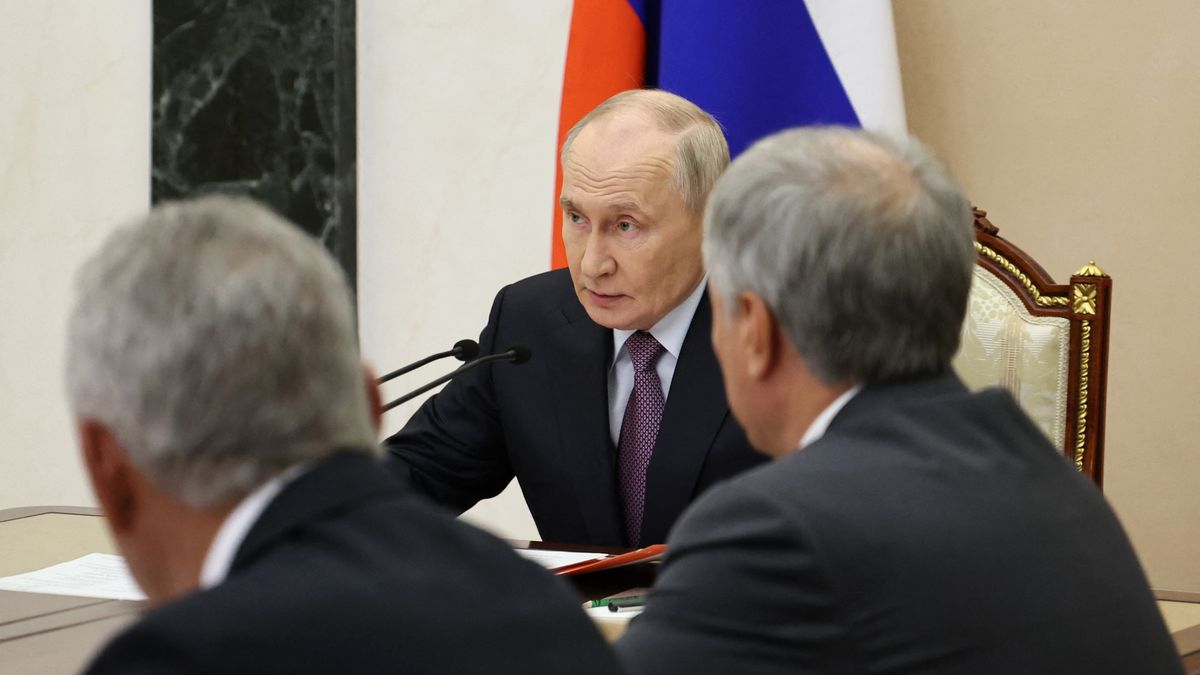
Germany is "neck-deep" in a hybrid war, with officials increasingly pointing fingers at Russia for attempts to destabilize the country, according to German Interior Minister Nancy Faeser. While government statements remain cautious, political elites and defense committee members privately attribute ongoing sabotage actions and interference in political processes to the Kremlin. Information from within the German Foreign Ministry suggests daily efforts by Moscow to disrupt political processes, erode faith in democratic institutions, and deepen societal divisions.
The timing of increased sabotage activities has been linked to upcoming state elections in Saxony and Mecklenburg-Vorpommern. In response to the escalating threat, the German government is overhauling its national security strategy. Chancellor Friedrich Merz has stated that the era of peaceful decades is over, and Germany must learn to coexist with constant hybrid pressure. As a first step, the Interior Ministry will establish a national drone defense research center this month at an East German test site to develop electronic and physical protection for critical factories and airports.
Germany is neck-deep in a hybrid war.
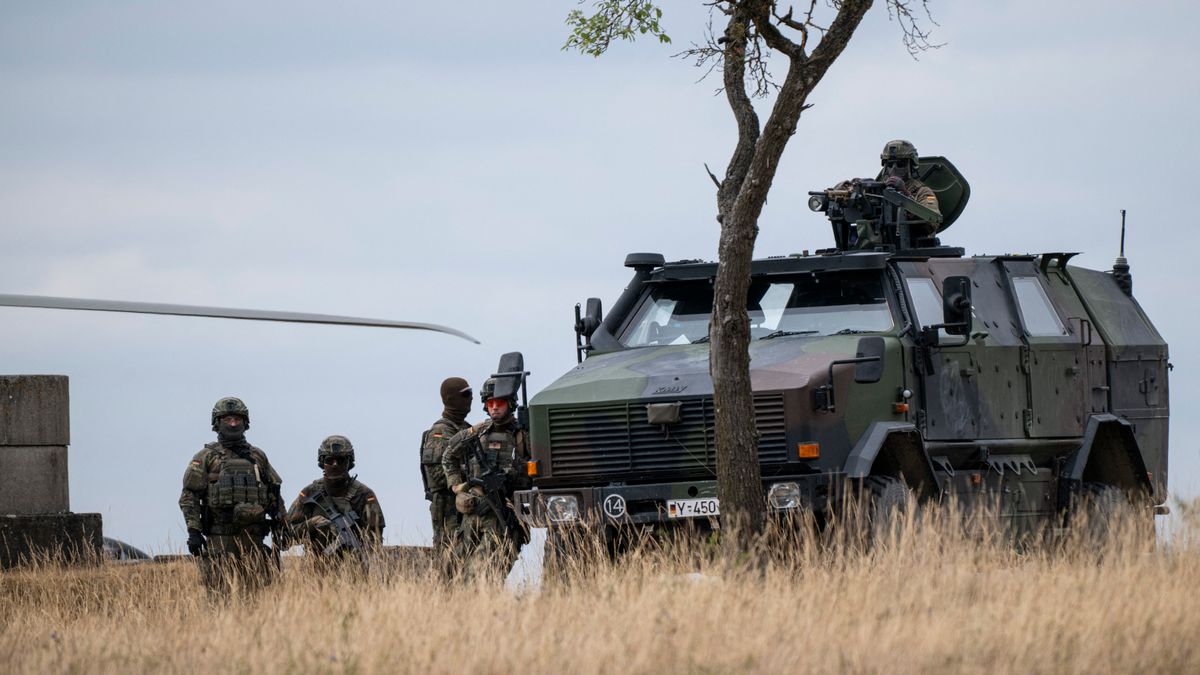
The most significant and debated move involves legal reforms that would fundamentally alter the domestic role of the Bundeswehr, Germany's armed forces. Alexander Dobrindt announced that the government is working on a legislative amendment to lift strict constitutional limitations. This would allow the military to intervene directly within Germany during emergencies, potentially using armed force to shoot down suspicious drones over protected zones if police resources are insufficient. This decision represents a major shift in post-World War II German legal history, with the Defense Ministry arguing that attempted attacks on civilian infrastructure leave no room for inaction.
The era of peaceful decades is over, and Germany must learn to coexist with constant hybrid pressure.
DistantNews Editorial
Originally published by Magyar Nemzet in Hungarian. Translated, summarized, and contextualized by our editorial team with added local perspective. Read our editorial standards.
More Stories


From Our Blog

Countries Without a Free Press: What You Need to Know

What Press Freedom Means for the News You Read

What Gets Lost (and Found) When News Is Translated

The Critical Role of Diaspora Media in Global News

What Travellers Should Know About Countries with Restricted Press
