


Paper Zines Not Using AI Conquer Japanese People
Translated from Vietnamese, summarized and contextualized by DistantNews.
At a glance
News
Sources not specified
Context piece
- Zines, a form of self-published DIY media, are gaining popularity in Japan as a counter-trend to AI and digital content.
- This resurgence reflects a deep-seated appreciation for print and tactile experiences among Japanese consumers.
- The growing zine scene offers a potential new audience for the struggling traditional publishing industry.
In Japan, a unique cultural phenomenon is unfolding as zines, self-published, DIY (Do It Yourself) print publications, are experiencing a significant resurgence. This trend is not merely a nostalgic nod to print media but also a vibrant counter-movement against the pervasive influence of artificial intelligence and the digital realm.
Originating in the 1930s American science fiction fan communities, zines are distinct from commercial magazines. Creators design, print, and distribute them in limited quantities, covering a wide array of personal reflections, poetry, photography, and niche topics often overlooked by mainstream media. In Japan, this movement has rapidly expanded from small gatherings to a nationwide network of zine festivals, demonstrating a growing cultural impact.
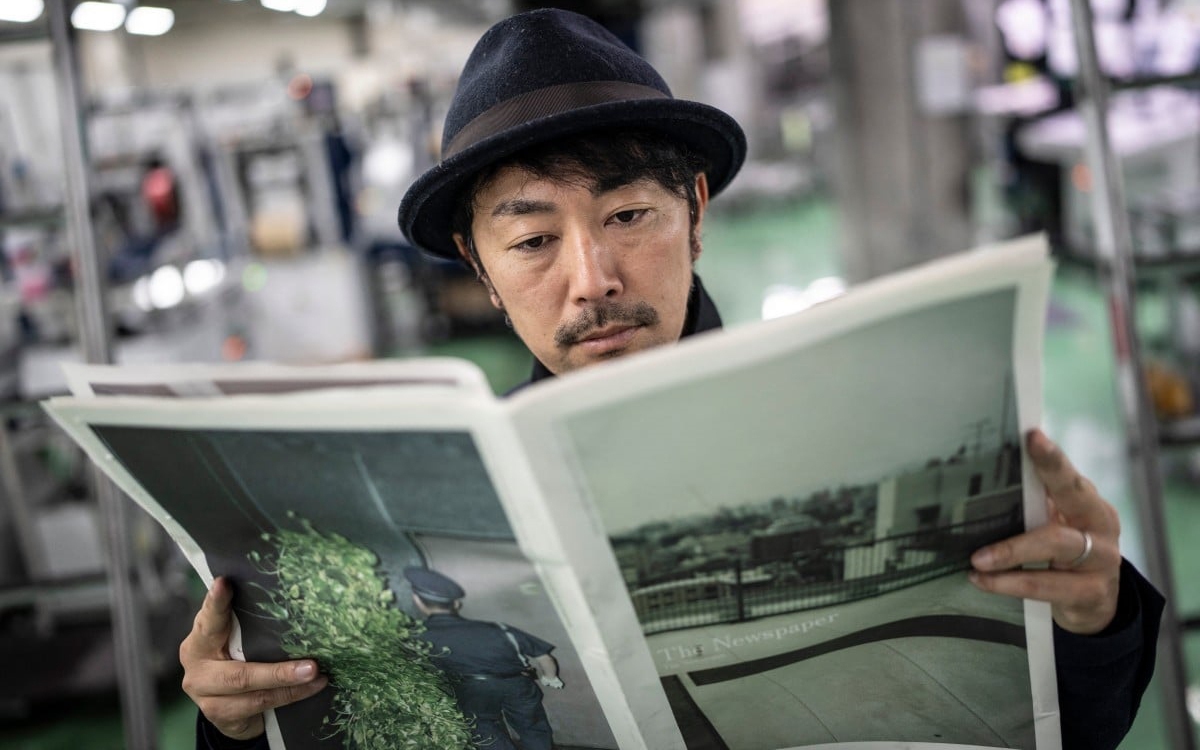
The appeal of zines extends beyond their content to the tangible, sensory experience they offer. Photographers like Kazuma Obara emphasize how print can engage all five senses, a stark contrast to the "closed" nature of mobile devices. Obara describes print media as "extremely open," fostering shared experiences as people can physically pass the publication around.
This rise of zines occurs against the backdrop of a prolonged decline in Japan's traditional publishing industry. Facing challenges from AI and digital platforms, which some novelists fear could replace their work, the tactile and personal nature of zines offers a unique alternative. It represents a hope for discovering new readers and reaffirming the enduring value of print in the digital age.
truyền thông in ấn cực kỳ cởi mở" vì mọi người "có thể đưa nó cho người khác và cùng nhau đọc nó".
DistantNews Editorial
Originally published by Tuổi Trẻ in Vietnamese. Translated, summarized, and contextualized by our editorial team with added local perspective. Read our editorial standards.
More Stories



From Our Blog

What Gets Lost (and Found) When News Is Translated

The Critical Role of Diaspora Media in Global News

What Travellers Should Know About Countries with Restricted Press

A Digital Nomad's Guide to Following Local News

How the Same Story Looks Different in Different Countries
