


Parental Leave Backlash: Over 60% of Korean Workers Face Negative Workplace Reactions
Translated from Korean, summarized and contextualized by DistantNews.
At a glance
News
Documents & data
New plan
- Over 63% of Korean workers who took parental leave experienced negative reactions from their company or colleagues.
- The negative reactions were more prevalent in private companies (70.1%) compared to public sector jobs (35%).
- Many who returned to work after parental leave also reported discrimination or disadvantages, including pay gaps and exclusion from important tasks.
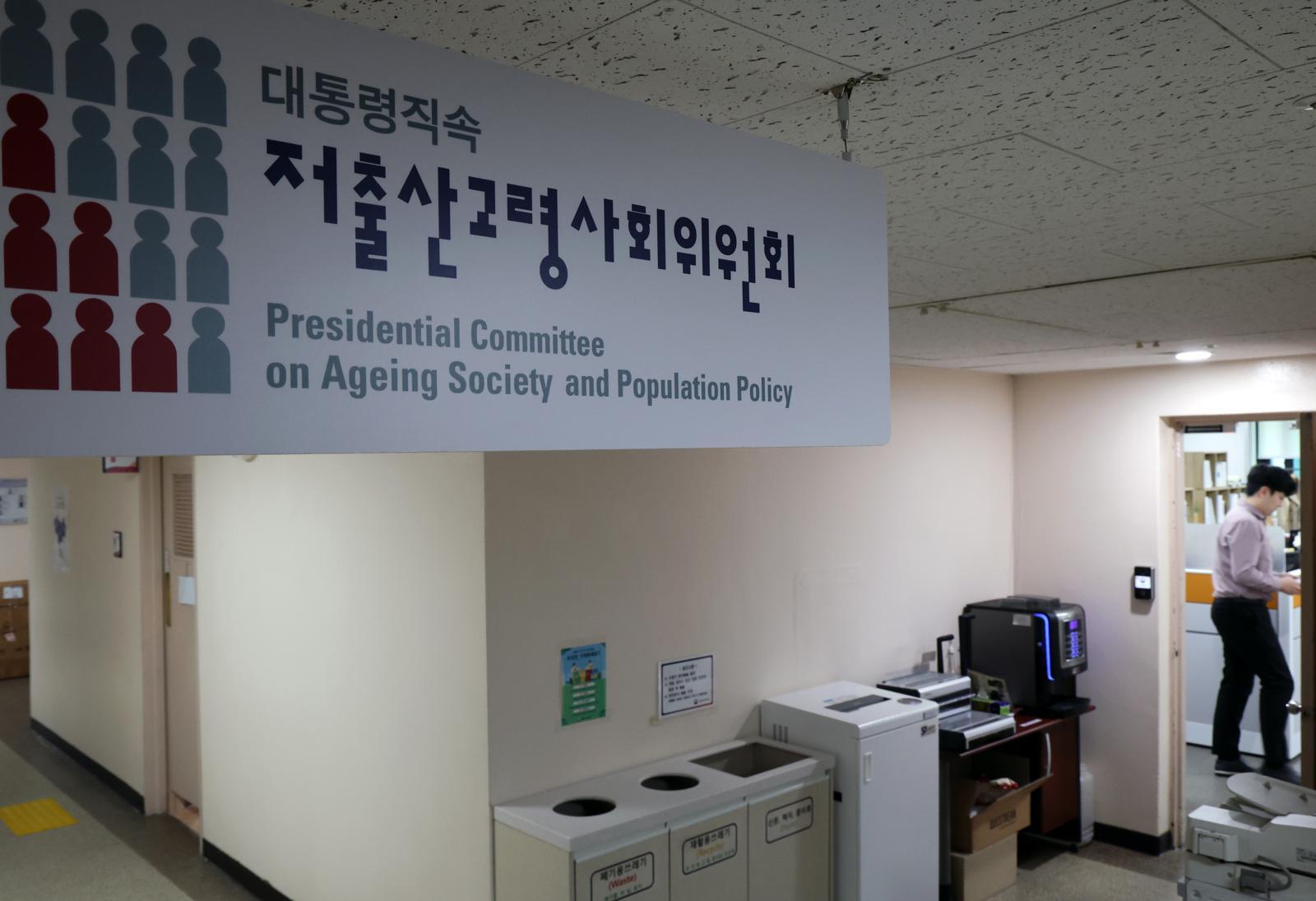
Despite government efforts to encourage parental leave, a significant majority of Korean workers face workplace backlash. A report by the Committee for Ageing and Population Policy and the Korea Institute of Public Finance found that 63.3% of employees who took parental leave experienced negative reactions from their employers or colleagues. This issue is particularly acute in private companies, where 70.1% reported such experiences, more than double the rate in the public sector (35%). The study surveyed 1,000 workers aged 25-49 nationwide, with 207 having taken parental leave. Concerns about reduced income (54.6%) and workplace pressure (44.9%) were major factors influencing the decision to take leave. Furthermore, upon returning to work, 59% of employees reported facing discrimination or disadvantages. These included disparities in salary and performance bonuses (30.1%), being excluded from key projects, or even being pressured to resign. Even the legally mandated 90-day maternity leave was not fully utilized by 39.1% of employees, and only 51.4% of eligible workers took paternity leave. These findings highlight a persistent gap between policy and practice regarding parental leave in South Korea, suggesting a need for stronger enforcement and cultural change within workplaces.
DistantNews Editorial
Originally published by Dong-A Ilbo in Korean. Translated, summarized, and contextualized by our editorial team with added local perspective. Read our editorial standards.
More Stories



From Our Blog

What Gets Lost (and Found) When News Is Translated

The Critical Role of Diaspora Media in Global News

What Travellers Should Know About Countries with Restricted Press

A Digital Nomad's Guide to Following Local News

How the Same Story Looks Different in Different Countries
