

:format(jpeg):fill(f8f8f8,true)/s3/static.nrc.nl/wp-content/uploads/2026/07/27161209/280326WEE_2031975369_WEB_VK_kazuma_vogelen_Kraanvogel.png)
/s3/static.nrc.nl/wp-content/uploads/2026/07/27161204/280326WEE_2031975369_WEB_HP_kazuma_vogelen_IJsvogel.jpg)
Part 3: Getting Even Better at Birdwatching
Translated from Dutch, summarized and contextualized by DistantNews.
At a glance
In-depth
Sources not specified
Context piece
- Consistent birdwatching practice improves skills and increases the likelihood of spotting diverse species.
- The Netherlands' varied landscapes offer a rich environment for birdwatching, attracting international enthusiasts.
- Different habitats, particularly those with water, host a wide array of bird species, including common and rare ones.
Becoming a better birdwatcher is a journey of continuous practice and learning. The more time spent outdoors with binoculars, perhaps aided by bird sound apps, the more birds one will see and the more adept they will become at identification. Increased knowledge also enhances the chances of spotting elusive species, further deepening the enjoyment of the hobby.
The Netherlands, despite its small size, boasts an extraordinary diversity of landscapes, making it a prime location for birdwatching. From coastlines and riverine areas to peatlands, sandy plains, forests, and hills, the country offers a wide range of habitats within short travel distances. This variety is particularly appealing to birdwatchers, as different environments attract different species. The abundance of water bodies, including canals, rivers, lakes, and coastal areas like the Wadden Sea, further contributes to the rich birdlife.
This unique combination of diverse habitats and plentiful water makes the Netherlands a popular destination for birdwatchers from neighboring countries like Belgium and Germany. Birders who develop an understanding of which birds inhabit specific types of natural areas significantly increase their chances of encountering rarer species. For instance, wet meadows, known as 'plas-dras,' are ideal habitats for wading birds such as lapwings, redshanks, and curlews, especially during the appropriate season.
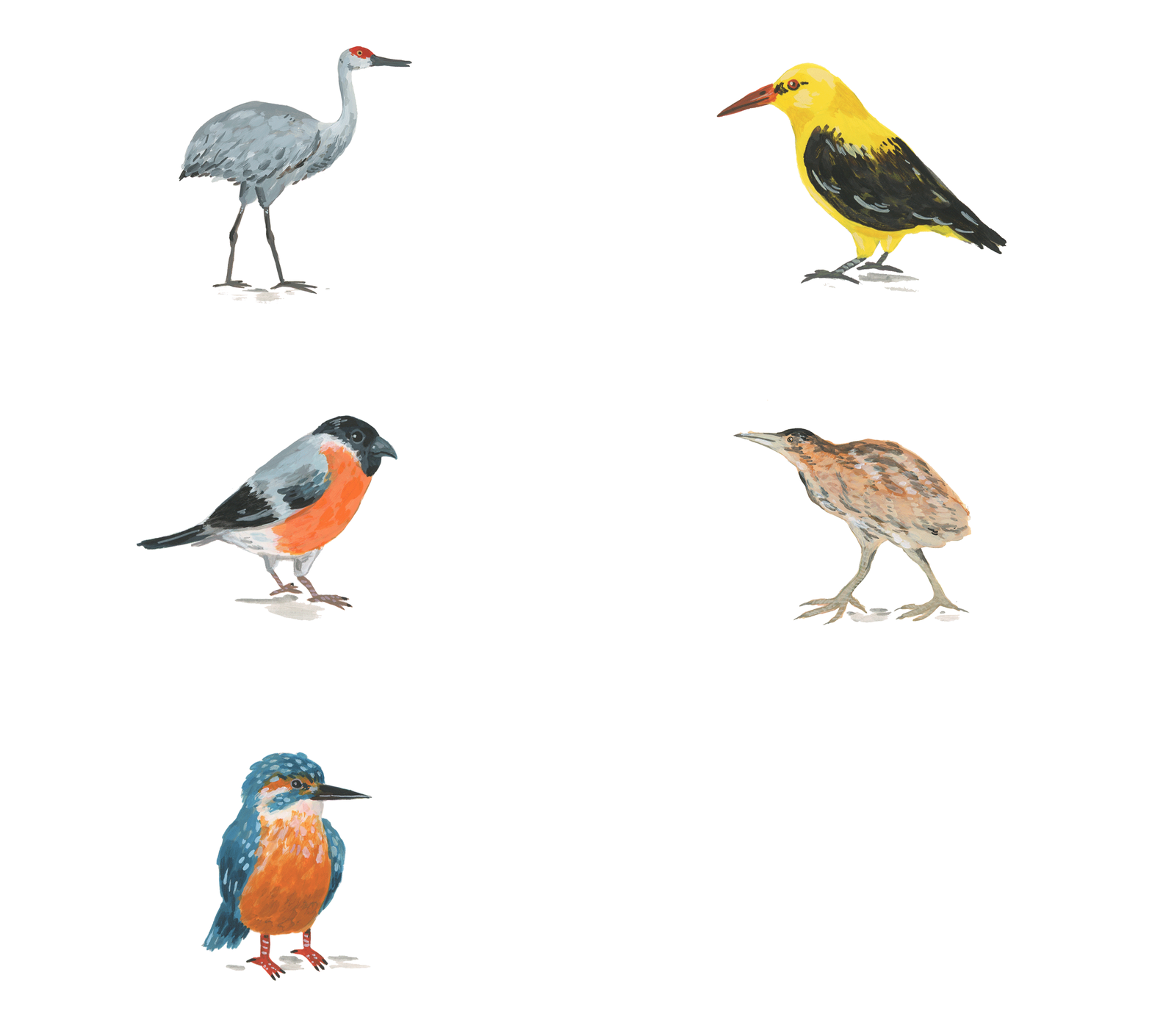
Water-rich areas are home to a multitude of species. The avocet, with its distinctive upturned bill, is commonly found in Dutch wetlands. Similarly, the spoonbill, recognizable by its unique bill shape, forages in shallow waters. Even more common species like the great white egret and the grey heron are frequently seen in these environments. And, of course, the vibrant kingfisher is often found where water is present, adding another jewel to the diverse avian tapestry of the Netherlands.
DistantNews Editorial
Originally published by NRC Handelsblad in Dutch. Translated, summarized, and contextualized by our editorial team with added local perspective. Read our editorial standards.
More Stories
/s3/static.nrc.nl/wp-content/uploads/2026/07/27161204/280326WEE_2031975369_WEB_HP_kazuma_vogelen_Goudvink.jpg)
/s3/static.nrc.nl/wp-content/uploads/2026/07/27161209/280326WEE_2031975369_WEB_HP_kazuma_vogelen_Wielewaal.jpg)
From Our Blog

What Gets Lost (and Found) When News Is Translated

The Critical Role of Diaspora Media in Global News

What Travellers Should Know About Countries with Restricted Press

A Digital Nomad's Guide to Following Local News

How the Same Story Looks Different in Different Countries
