


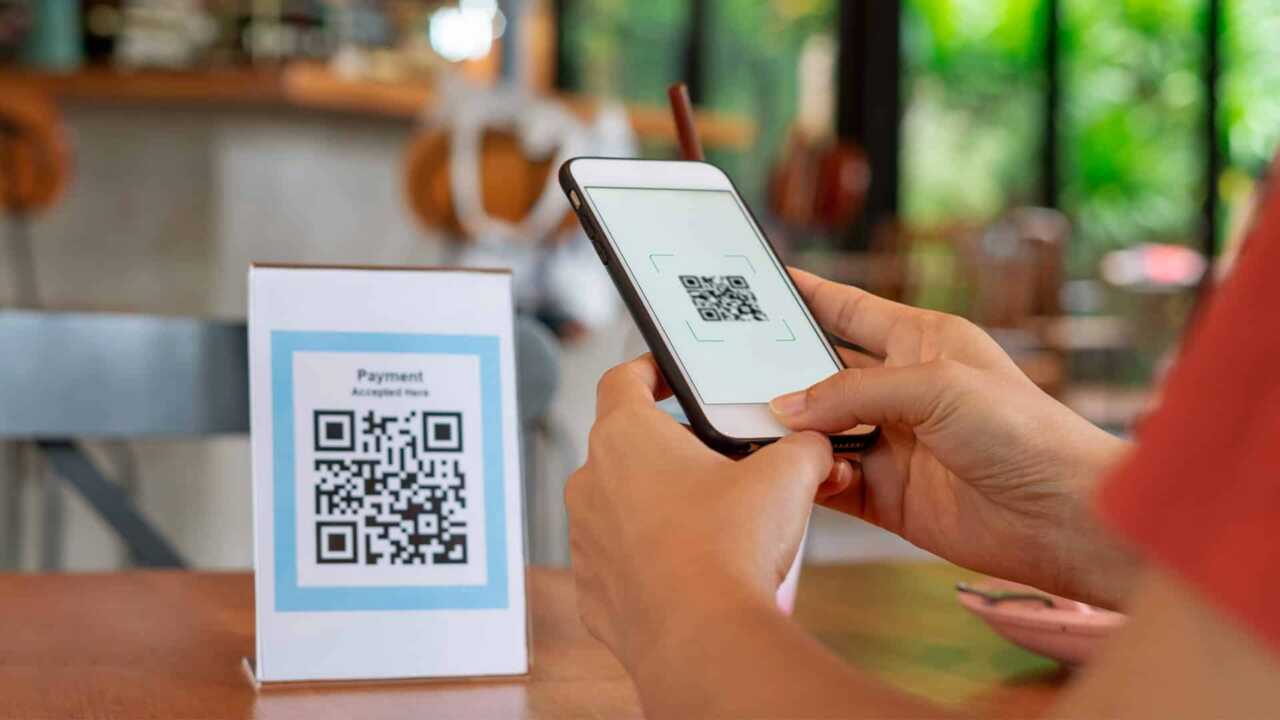
Payment Without Plastic: How Smartphones Are Reshaping Kazakhstan’s Cashless Economy
Summarized and contextualized by DistantNews.
At a glance
News
Documents & data
Context piece
- Kazakhstan's cashless economy is evolving beyond replacing cash with cards to replacing physical cards with smartphones.
- Virtual cards now outnumber physical cards among active users, and QR payments have surpassed card payments at point-of-sale terminals.
- This shift signifies a new stage of payment digitalization, moving competition from physical wallets to smartphones.
Kazakhstan's digital payment landscape is rapidly transforming, with smartphones emerging as the primary interface, effectively making physical payment cards obsolete for many.
Recent data from the National Bank reveals a significant shift: as of July 1, out of 83.6 million payment cards in circulation, only 41.9 million were actively used. Among these active cards, virtual versions now account for 53%, surpassing physical cards at 47%. This indicates that for users actively engaging with their cards, digital alternatives have already taken the lead.
The way consumers pay at retail locations mirrors this trend. In the first half of 2026, QR payments dominated point-of-sale transactions, making up 58% of both the number and 53% of the value. This contrasts with bank cards, which accounted for 42% of transactions by number and 47% by value. Daily, Kazakh citizens made approximately 11 million QR payments, totaling 57.3 billion tenge (US$122 million), significantly more than the eight million card transactions worth 50.8 billion tenge (US$108 million) per day.
Ruslan Sultanov, author of the analytical channel Tengenomika, describes this as a new phase of payment digitalization. "Earlier, the key change was the shift from cash to bank cards. Now the cashless payment itself is changing, as the physical payment instrument increasingly gives way to a digital interface," Sultanov stated. He further noted that the number of cards issued is becoming a less reliable indicator of a bank's customer relationship. Instead, the focus is shifting to which banking product a customer uses daily and where their payment activity is concentrated. Virtual cards are lowering the barrier for competition, enabling customers to easily hold products from multiple banks, moving competition from the physical wallet to the smartphone.
This evolution extends to business infrastructure, where the traditional plastic card and POS terminal combination is no longer the sole digital payment interface. For consumers, the bank account remains central, but the physical card is increasingly unnecessary at the point of purchase. This aligns with Kazakhstan's broader objective to foster a more interoperable digital financial system, a push that saw the launch of a new initiative in July 2026.
Earlier, the key change was the shift from cash to bank cards. Now the cashless payment itself is changing, as the physical payment instrument increasingly gives way to a digital interface.
DistantNews Editorial
Originally published by The Astana Times. Summarized and contextualized by our editorial team with added local perspective. Read our editorial standards.
More Stories


From Our Blog

What Gets Lost (and Found) When News Is Translated

The Critical Role of Diaspora Media in Global News

What Travellers Should Know About Countries with Restricted Press

A Digital Nomad's Guide to Following Local News

How the Same Story Looks Different in Different Countries
