


Pension Fund for Well-being Was Not Halted, Says Sheinbaum After Court Ruling
Translated from Spanish, summarized and contextualized by DistantNews.
At a glance
News
Named sources
Approved/passed
- Mexico's Supreme Court has upheld the decree creating the "Fondo de Pensiones para el Bienestar" (Pension Fund for Well-being).
- President Claudia Sheinbaum stated the fund is operational and not unconstitutional, assuring workers' savings are protected.
- The fund aims to compensate for pensions for medium-wage earners by consolidating unused sub-accounts.
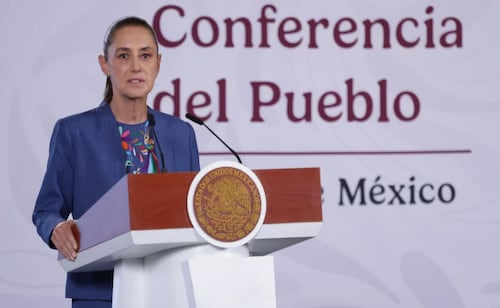
Mexico's Supreme Court of Justice of the Nation (SCJN) has given its approval to the decree establishing the "Fondo de Pensiones para el Bienestar" (Pension Fund for Well-being), a move President Claudia Sheinbaum Pardo affirmed is proceeding as planned.
Addressing the matter during her press conference on Thursday, August 13, Sheinbaum stated that the fund "continues and was not stopped." She directed the Ministry of Finance to provide details on the fund's current resources. "That continues, that continues, that was not stopped. The Fund continues with its income to be able to have what would compensate for some of the pensions for the medium wage," she explained when asked about the transfer of funds from dormant sub-accounts.
That continues, that continues, that was not stopped. The Fund continues with its income to be able to have what would compensate for some of the pensions for the medium wage.
The President emphasized that the court's decision does not alter the fund's operations but rather validates its existing framework. "No, rather, what was already happening is approved, there is no longer, let's say, any unconstitutionality in this case," she responded when pressed on whether the ruling changed anything. The fund is intended to bolster pensions for individuals earning average wages by utilizing funds from sub-accounts that have remained inactive and are considered largely forgotten.
No, rather, what was already happening is approved, there is no longer, let's say, any unconstitutionality in this case.
DistantNews Editorial
Originally published by El Universal in Spanish. Translated, summarized, and contextualized by our editorial team with added local perspective. Read our editorial standards.
More Stories

From Our Blog

What Press Freedom Means for the News You Read

What Gets Lost (and Found) When News Is Translated

The Critical Role of Diaspora Media in Global News

What Travellers Should Know About Countries with Restricted Press

A Digital Nomad's Guide to Following Local News
