


Pentagon Urges Defense Industry to Accelerate Weapons Production
Translated from Czech, summarized and contextualized by DistantNews.
At a glance
News
Named sources
Ongoing story
- The Pentagon is urging US defense contractors to accelerate weapons production.
- This push aims to replenish depleted munitions stockpiles, particularly those used in the conflict with Iran.
- President Trump has publicly disputed reports of a munitions shortage.
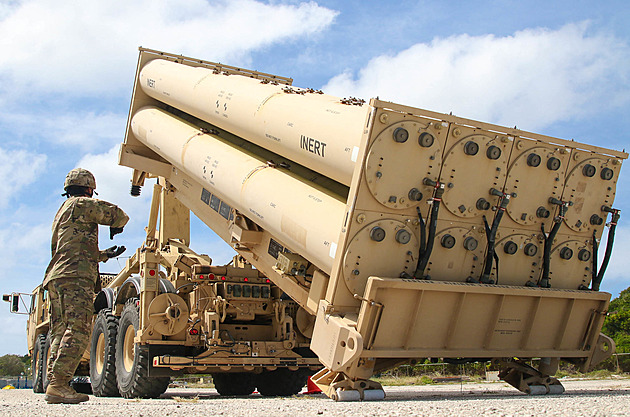
The Pentagon is pressing US defense contractors to significantly speed up weapons production to replenish depleted munitions stockpiles. This effort is partly driven by the ongoing conflict with Iran, which has further diminished US military reserves.
the weapons our warfighters need at the pace the threat demands.
Deputy Defense Secretary Steve Feinberg sent a memo to industry leaders demanding plans for faster delivery schedules and increased production of critical capabilities within 21 days. He stressed that "years-long development cycles are not acceptable" and that production capacity must be expanded immediately.
The urgency stems from recent fighting that has depleted advanced missile interceptor stockpiles, such as Patriot and THAAD systems. An analysis by the Center for Strategic and International Studies suggests this could force the US to take greater risks in future hostilities, potentially allowing more enemy projectiles to get through.
Years-long development cycles are not acceptable. We must dramatically accelerate our program schedules and expand our production capacity now.
Despite these internal pressures, President Donald Trump has publicly downplayed concerns about a munitions shortage, asserting on Truth Social that the US possesses "massive amounts" and that production is meeting demand. Pentagon spokesman Sean Parnell confirmed the memo's authenticity and stated it aligns with broader modernization efforts and the fiscal year 2028 budget submission.
massive amounts. large amounts are being manufactured and shipped to the US as needed.
DistantNews Editorial
Originally published by iDNES in Czech. Translated, summarized, and contextualized by our editorial team with added local perspective. Read our editorial standards.
More Stories


From Our Blog

What Gets Lost (and Found) When News Is Translated

The Critical Role of Diaspora Media in Global News

What Travellers Should Know About Countries with Restricted Press

A Digital Nomad's Guide to Following Local News

How the Same Story Looks Different in Different Countries
