


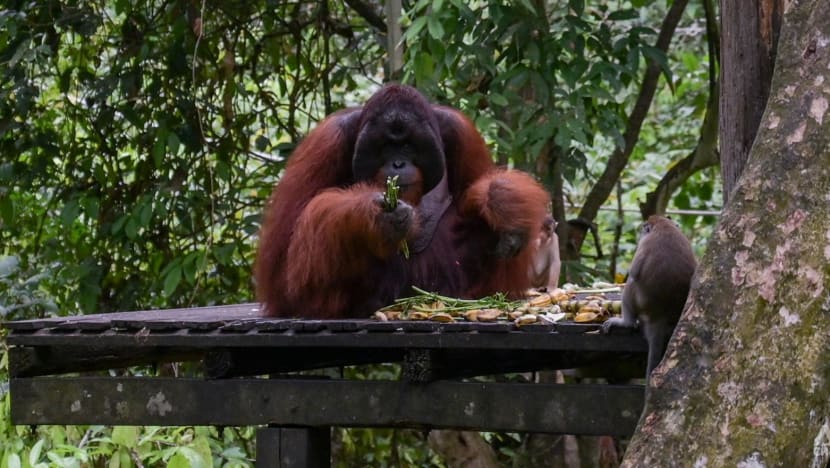
'People could get hurt': Conservationists decry AI wildlife visuals
Summarized and contextualized by DistantNews.
At a glance
News
Sources not specified
Context piece
- Conservationists warn that hyper-realistic AI-generated images of wildlife can mislead the public and harm conservation efforts.
- These visuals often depict animals behaving in unnatural ways, such as acting like pets or humans.
- Experts believe this distortion of reality can negatively impact how people perceive and interact with wild animals.
Conservationists are raising alarms about the proliferation of artificial intelligence-generated wildlife imagery, warning that these hyper-realistic visuals could significantly undermine conservation efforts. The concern stems from AI's ability to create images of wild animals behaving in ways that are contrary to their natural instincts, such as acting like domesticated pets or even mimicking human actions.
These fabricated scenarios, experts argue, can profoundly distort public perception. When people see wild animals depicted as docile or anthropomorphic, it can foster a misunderstanding of their true nature and needs. This warped view may lead to misguided interactions, such as attempting to pet or feed wild animals, which can be dangerous for both the animals and humans.
The potential harm extends to conservation initiatives themselves. Misinformed public opinion can translate into reduced support for habitat protection, anti-poaching measures, and other critical conservation programs. By presenting a false image of wildlife, AI visuals risk eroding the respect and caution necessary for coexistence between humans and the natural world.
These visuals can distort public perceptions of wildlife and harm conservation efforts.
DistantNews Editorial
Originally published by CNA. Summarized and contextualized by our editorial team with added local perspective. Read our editorial standards.
More Stories


From Our Blog

What Gets Lost (and Found) When News Is Translated

The Critical Role of Diaspora Media in Global News

What Travellers Should Know About Countries with Restricted Press

A Digital Nomad's Guide to Following Local News

How the Same Story Looks Different in Different Countries
