

People Power Party's innovation task force to build fair evaluation system reflecting public and party member opinions
Translated from Korean, summarized and contextualized by DistantNews.
At a glance
News
Named sources
Context piece
- South Korea's People Power Party has established a task force to create a fair evaluation system for elected officials.
- The task force aims to incorporate the voices of the public and party members into the assessment criteria.
- This initiative is seen as a move towards strengthening the party's connection with its base and potentially influencing future candidate selections.
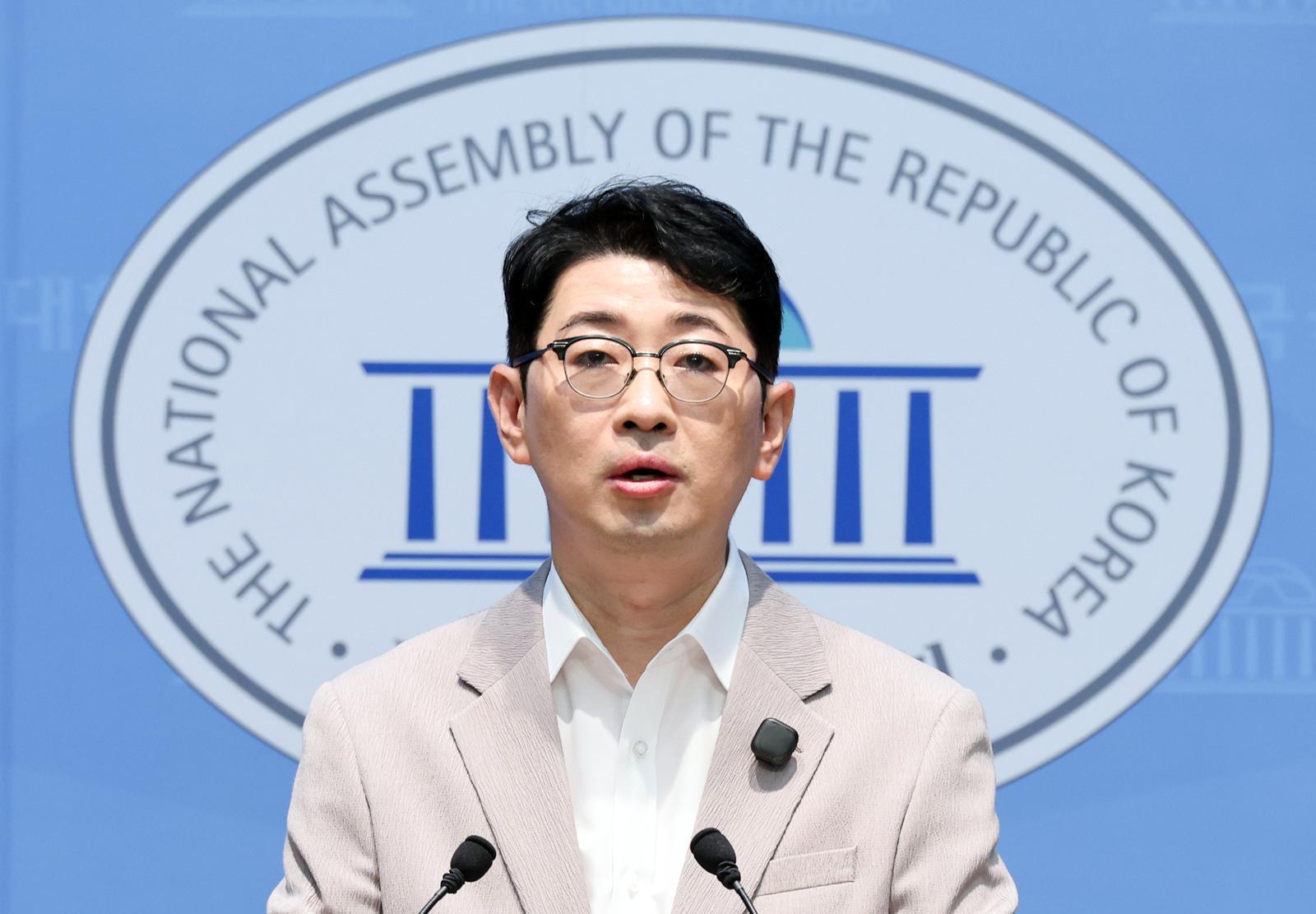
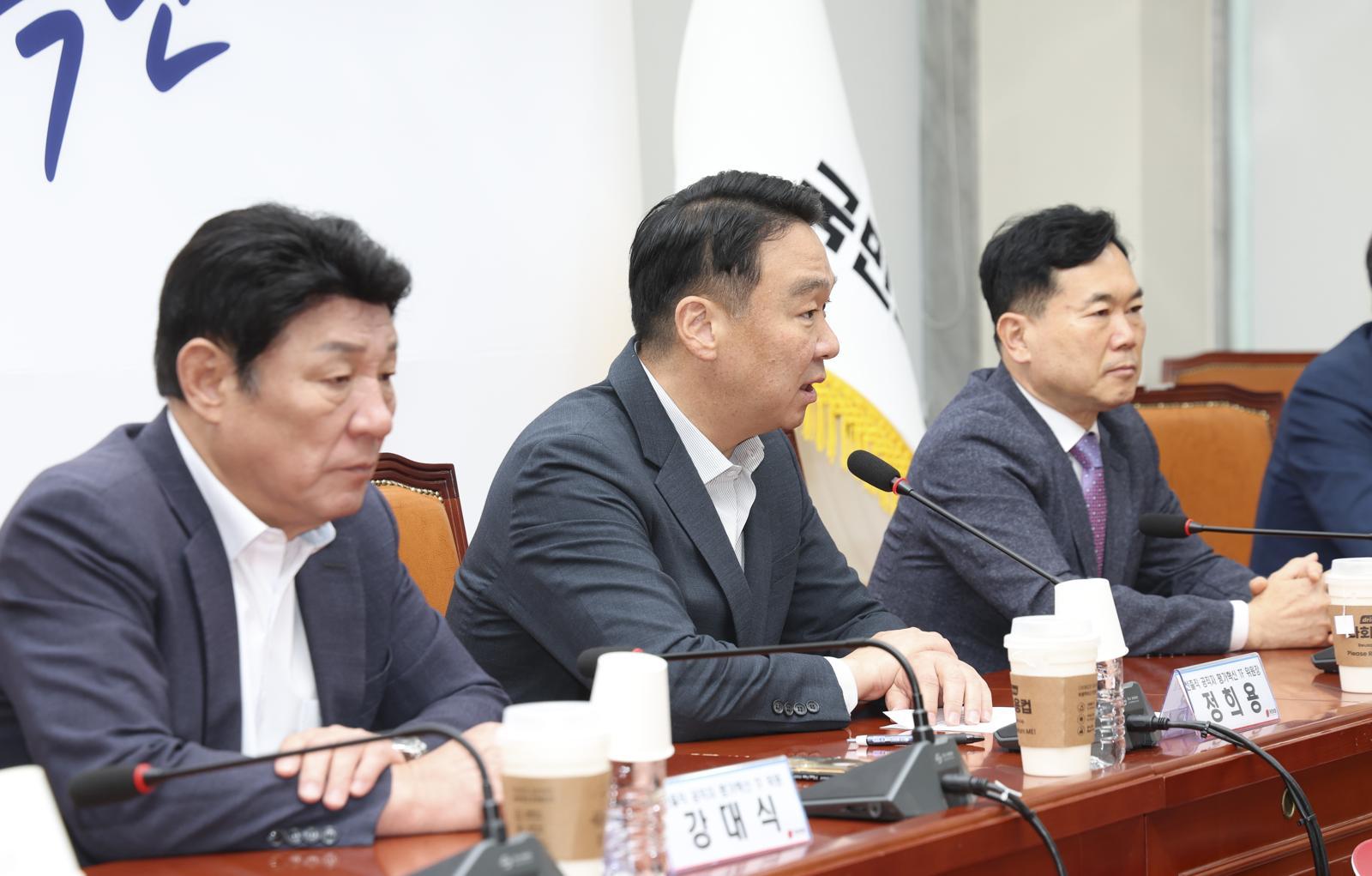
South Korea's conservative People Power Party has launched a task force dedicated to establishing a fair evaluation system for its elected officials. The "Evaluation Innovation TF" held its second meeting on August 11, vowing to create a system that reflects the opinions of both the general public and party members.
The task force, formed last month, is tasked with designing the rules and procedures for evaluating incumbent lawmakers, provincial governors, and city mayors. Analysts suggest this move signals a strategic effort by the party leadership to consolidate its influence and strengthen its base. The TF emphasized that incorporating public and party member input into the evaluation of elected officials is a crucial step toward becoming a "people's party."
We will unswervingly complete the evaluation system for National Assembly members and metropolitan/local council members, which has not been implemented despite being stipulated in the party constitution and regulations.
Given the party leader's consistent emphasis on a "member-centric party," it is anticipated that the evaluation metrics will include indicators of party loyalty, such as the frequency of regional party member training sessions and participation in party-led political struggles. The TF plans to gather online opinions from all party officials and hold consultations with local government heads to collect diverse perspectives. They also intend to utilize external research services to develop a comprehensive assessment system that measures officials' unique contributions and party engagement, while scientifically addressing regional advantages and disadvantages.
This newly developed evaluation framework is expected to be proposed to the party leadership for inclusion in the regular party audit scheduled for year-end. Some observers speculate that this could lead to the potential replacement of incumbent lawmakers and local party committee chairpersons who have not actively supported the party leader's hardline political stance. Meanwhile, a separate group of party members is formally proposing a "national party member vote" to question the party leader's leadership, highlighting internal party dynamics.
Reflecting the opinions of the public and party members heavily in the evaluation of elected officials is the first step toward becoming a people's party.
DistantNews Editorial
Originally published by Dong-A Ilbo in Korean. Translated, summarized, and contextualized by our editorial team with added local perspective. Read our editorial standards.
More Stories


From Our Blog

What Gets Lost (and Found) When News Is Translated

The Critical Role of Diaspora Media in Global News

What Travellers Should Know About Countries with Restricted Press

A Digital Nomad's Guide to Following Local News

How the Same Story Looks Different in Different Countries
