


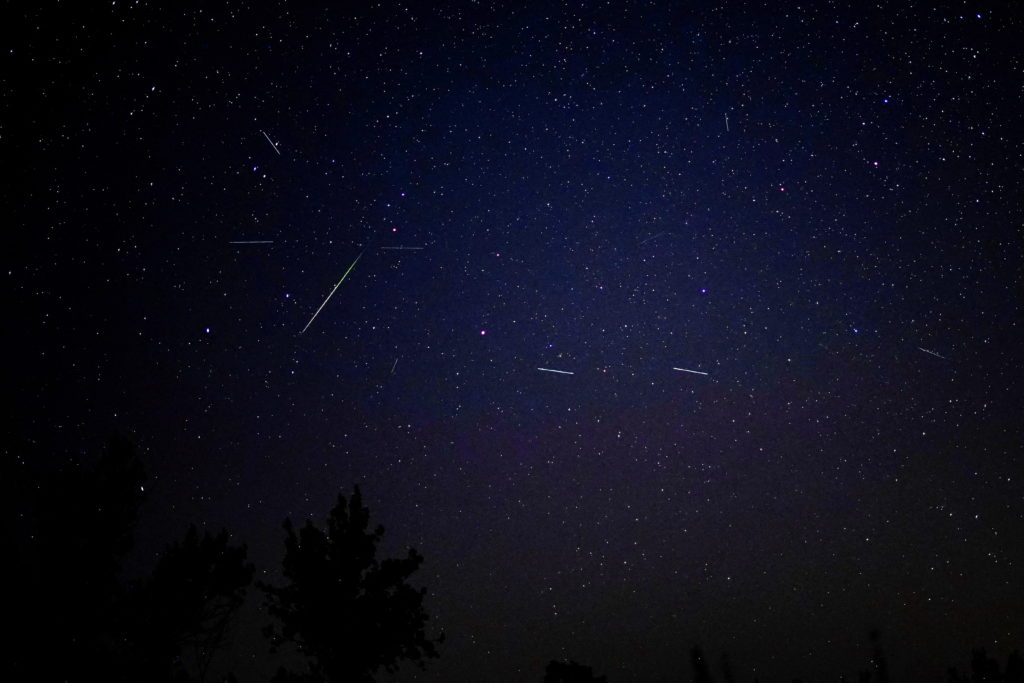
Perseid meteor shower peaks with ideal viewing conditions expected
Translated from English, summarized and contextualized by DistantNews.
At a glance
News
From a news agency
Context piece
- The Perseid meteor shower is peaking, offering up to 100 meteors per hour under ideal conditions.
- Viewing is enhanced by a new moon phase, meaning no moonlight will flood the sky.
- The best viewing times are after midnight until dawn, looking towards the constellation Perseus.
The Perseid meteor shower returns this week, promising a spectacular celestial display for the Northern Hemisphere. The peak viewing period, from Wednesday night into Thursday morning, is expected to be particularly favorable due to a new moon, which minimizes light pollution and allows for clearer visibility of meteors. Experts anticipate that up to 100 meteors per hour could be visible under optimal conditions, with estimates suggesting 30 to 50 per hour from rural areas.
Comets typically have orbits that cross the orbit of the Earth. So as they get near the sun and the sun evaporates the ice, a lot of the dirt and crap that's frozen into the comet gets released, and continues in orbit around the sun.
This annual event occurs when Earth passes through the debris trails left by comets. The Perseids specifically originate from comet 109P/Swift-Tuttle, an icy body that orbits the sun every 133 years. This meteor shower has been observed for over two millennia and is a popular favorite due to its tendency to produce bright fireballs and the pleasant summer temperatures that allow for comfortable viewing.
We don't have to suffer through a cold winter night to get a good view of meteors.
Astronomers recommend seeking dark skies away from city lights after sunset. To best observe the meteors, viewers should allow their eyes about half an hour to adjust to the darkness and focus on a patch of sky, as meteors often appear in peripheral vision. The meteors will seem to radiate from the constellation Perseus, which will be high in the northern sky between midnight and dawn. "There's just something magical about it," said astronomer Zach Vanderbosch.
The moon is beautiful, but it's such a diva. New moon means we don't have moonlight flooding the sky, and you tend to see way more meteors as a result.
DistantNews Editorial
Originally published by PBS NewsHour in English. Translated, summarized, and contextualized by our editorial team with added local perspective. Read our editorial standards.
More Stories


From Our Blog

How the Same Story Looks Different in Different Countries

What Gets Lost (and Found) When News Is Translated

The Critical Role of Diaspora Media in Global News

What Travellers Should Know About Countries with Restricted Press

A Digital Nomad's Guide to Following Local News
