


Persian Gulf Shipping: 'Horror Scenario Cannot Be Ruled Out' Amid Deal Announcement
Translated from German, summarized and contextualized by DistantNews.
At a glance
News
Sources not specified
New plan
- Approximately 600 ships, including 250 tankers, are currently stuck in the Persian Gulf.
- A deal between the U.S. and Iran to reopen passage is announced, but mines in the water and a lack of traffic coordination pose significant risks.
- Bimco, the world's largest shipowners' association, warns that attempting transit now is highly dangerous.
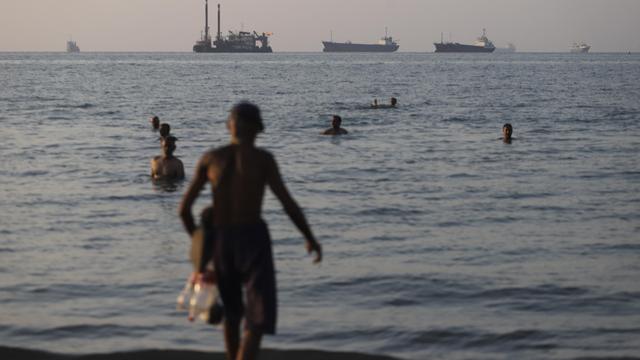
A potential deal between the U.S. and Iran to reopen passage through the Strait of Hormuz has created a rush for approximately 600 ships, including 250 tankers, currently stuck in the Persian Gulf. However, significant dangers remain, including mines in the water and a lack of clarity on who will coordinate the traffic.
Jakob P. Larsen, head of security for Bimco, the world's largest shipowners' association, issued a stark warning: "Anyone who sails out now is putting themselves in great danger." He highlighted that the "horror scenario cannot be ruled out" as ships attempt to leave the gulf simultaneously.
Anyone who sails out now is putting themselves in great danger.
The announcement of the U.S.-Iran agreement, intended to de-escalate tensions and reopen maritime routes, has paradoxically created a new set of anxieties for the shipping industry. The immediate rush to exit the gulf, without a clear plan for traffic management, raises fears of potential collisions or other accidents in a strategically vital waterway.
the horror scenario cannot be ruled out
DistantNews Editorial
Originally published by Die Zeit in German. Translated, summarized, and contextualized by our editorial team with added local perspective. Read our editorial standards.
More Stories


From Our Blog

What Gets Lost (and Found) When News Is Translated

How the Same Story Looks Different in Different Countries

The Critical Role of Diaspora Media in Global News

What Travellers Should Know About Countries with Restricted Press

A Digital Nomad's Guide to Following Local News
