


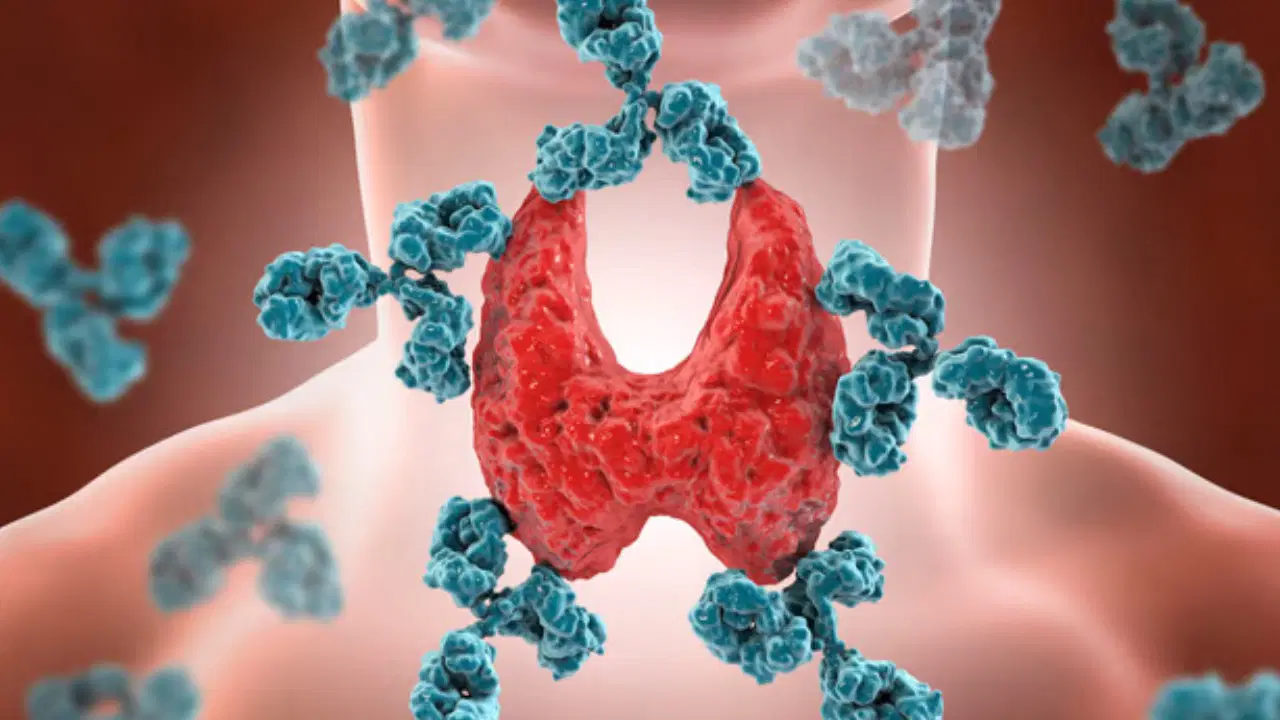
Persistent Fatigue and Coldness? It Could Be Hashimoto's Disease
Translated from Turkish, summarized and contextualized by DistantNews.
At a glance
News
Named sources
Context piece
- Hashimoto's disease, an autoimmune condition, may initially present no symptoms but can lead to fatigue, weight gain, and hair loss as it progresses.
- Persistent fatigue and feeling cold should not be ignored, as they can be indicators of thyroid issues beyond simple stress or lack of sleep.
- Diagnosis involves blood tests for thyroid function and antibodies, with treatment tailored to individual thyroid levels and overall health, emphasizing the importance of regular medical check-ups and avoiding unverified online remedies.
Hashimoto's disease, an autoimmune disorder, can be insidious, often showing no signs in its early stages. However, as the condition advances, individuals may experience a range of debilitating symptoms. Internal Medicine Specialist Uzm. Dr. Mehmet Çakır highlights that persistent fatigue, a constant feeling of coldness, significant weight gain, dry skin, constipation, hair loss, and difficulty concentrating are common complaints.
Dr. Çakır emphasizes that these symptoms are frequently mistaken for other health issues stemming from demanding work schedules, insufficient sleep, or stress. He urges individuals to pay close attention to prolonged fatigue and cold intolerance, as these can be significant indicators of underlying thyroid dysfunction. "Fatigue and tiredness may not solely be due to intense work tempo, sleeplessness, or stress," Dr. Çakır stated. "Thyroid diseases can also be among the important causes of these complaints. Therefore, it is important for symptoms that continue for a long time and affect daily life to be evaluated by a physician."
Fatigue and tiredness may not solely be due to intense work tempo, sleeplessness, or stress. Thyroid diseases can also be among the important causes of these complaints. Therefore, it is important for symptoms that continue for a long time and affect daily life to be evaluated by a physician.
Diagnosing Hashimoto's disease typically involves a combination of patient-reported symptoms, a physical examination, and specific blood tests. Dr. Çakır explains that thyroid function tests, such as TSH and free T4, are crucial, and in some cases, thyroid antibodies are also examined. He notes that the disease progresses differently in each person, and treatment decisions are individualized based on the patient's thyroid hormone levels and overall health status.
Regular medical follow-ups are essential for individuals diagnosed with Hashimoto's disease, particularly those undergoing treatment. Dr. Çakır advises against self-treating with diets or supplements found online without professional guidance. "Individuals with thyroid disease should not use medication or supplements without a doctor's recommendation," he cautioned. "Each patient's treatment must be planned according to their clinical condition." He reiterates the importance of seeking medical evaluation for persistent fatigue, coldness, unexplained weight changes, hair loss, or similar symptoms.
Individuals with thyroid disease should not use medication or supplements without a doctor's recommendation. Each patient's treatment must be planned according to their clinical condition.
DistantNews Editorial
Originally published by Cumhuriyet in Turkish. Translated, summarized, and contextualized by our editorial team with added local perspective. Read our editorial standards.
More Stories



From Our Blog

What Gets Lost (and Found) When News Is Translated

The Critical Role of Diaspora Media in Global News

What Travellers Should Know About Countries with Restricted Press

A Digital Nomad's Guide to Following Local News

How the Same Story Looks Different in Different Countries
