


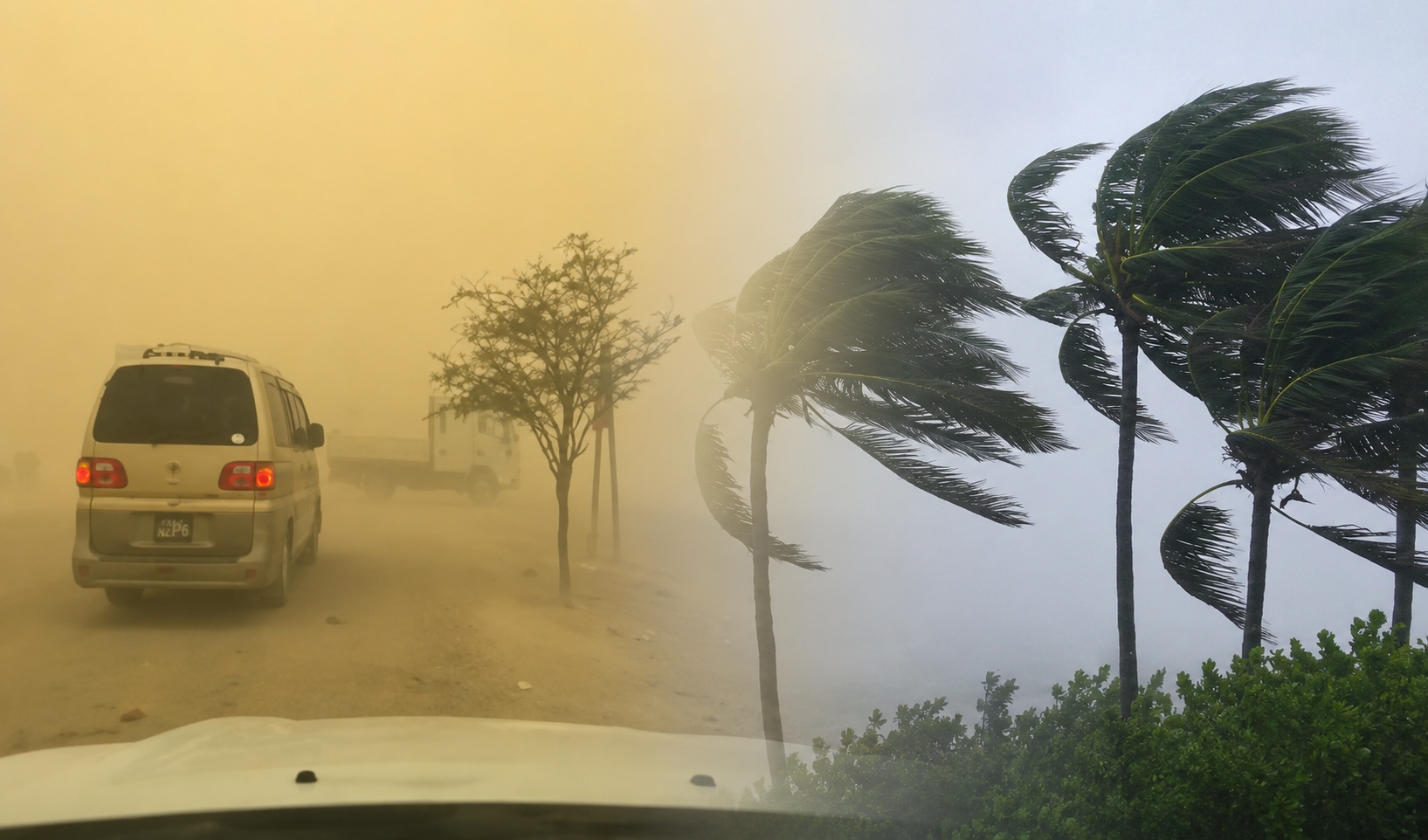
Peru Issues Strong Wind Alert for Northern Highlands, Affecting 18 Provinces
Translated from Spanish, summarized and contextualized by DistantNews.
At a glance
News
Official statement
Ongoing story
- Peru's National Meteorology and Hydrology Service (Senamhi) issued a warning for strong winds in the northern highlands.
- The alert covers 18 provinces in Cajamarca, Lambayeque, and Piura, with gusts potentially exceeding 45 km/h.
- The National Civil Defense Institute (Indeci) provided recommendations to mitigate risks associated with the high winds.
Peru's National Meteorology and Hydrology Service (Senamhi) has issued a warning for strong winds affecting the northern highlands. The alert is in effect from Tuesday, July 14, to Thursday, July 16, 2026, with wind speeds expected to range from moderate to strong. Gusts could surpass 45 kilometers per hour in 18 provinces across the Cajamarca, Lambayeque, and Piura regions.
In response to the forecast, the National Civil Defense Institute (Indeci) has released a series of recommendations for both authorities and the public. These guidelines aim to reduce the risks associated with the anticipated high winds. Key measures include ensuring the structural integrity of buildings and securing any objects that could become dislodged by the strong gusts.
The affected provinces in Cajamarca include Cajabamba, Celendín, Chota, Contumazá, Cutervo, Hualgayoc, Jaén, San Ignacio, San Marcos, San Miguel, San Pablo, Santa Cruz, and Cajamarca. In Lambayeque, the provinces of Ferreñafe and Lambayeque are included, while in Piura, the affected areas are Ayabaca, Huancabamba, and Morropón. Indeci urges local and regional governments to conduct technical safety inspections of infrastructure and advises the public to secure roofs and structures, reinforce windows, and stay clear of electrical equipment and potential falling debris. Residents are also encouraged to wear warm, waterproof clothing and seek medical attention for respiratory issues.
DistantNews Editorial
Originally published by La República in Spanish. Translated, summarized, and contextualized by our editorial team with added local perspective. Read our editorial standards.
More Stories
From Our Blog

What Gets Lost (and Found) When News Is Translated

The Critical Role of Diaspora Media in Global News

What Travellers Should Know About Countries with Restricted Press

A Digital Nomad's Guide to Following Local News

How the Same Story Looks Different in Different Countries
