

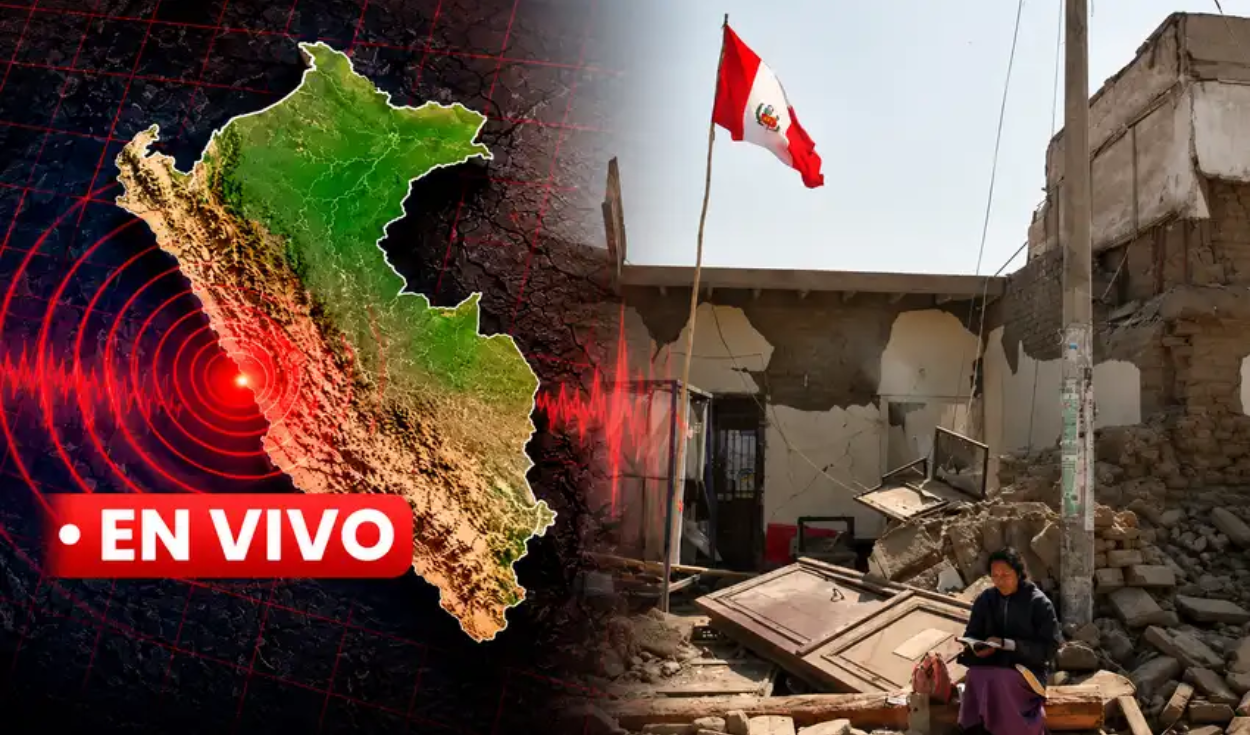

Peru's Essential Earthquake Preparedness: What Your Emergency Backpack Needs
Translated from Spanish and summarized by DistantNews. Read the original for the full story.
At a glance
News
Named sources
Context piece
- Peru's National Civil Defense Institute (Indeci) emphasizes the importance of emergency preparedness due to frequent seismic activity.
- A crucial element of preparedness is an emergency backpack containing essential supplies for the initial hours after an earthquake.
- Indeci recommends specific items for the backpack, including non-perishable food, water, a flashlight, a radio, a first-aid kit, warm clothing, personal documents, cash, and hygiene items.
In Peru, a nation acutely aware of the earth's power, preparedness is not just a recommendation—it's a vital necessity. The National Civil Defense Institute (Indeci) consistently reminds us that living in a seismically active zone demands proactive measures to mitigate risks. The cornerstone of this preparedness is the emergency backpack, a seemingly simple yet profoundly important resource for every household. This backpack is designed to be a lifeline, providing essential supplies to navigate the critical first hours following an earthquake, a period when basic services may be disrupted and official assistance could be delayed. Indeci's detailed guidance on what to include—from non-perishable food and water to a flashlight, radio, first-aid kit, and even personal documents—empowers citizens to take control of their safety. It's a practical approach that acknowledges the reality of our environment and equips us to face potential disasters with resilience and a greater chance of survival. The emphasis on adapting the backpack for vulnerable family members, such as children and the elderly, further highlights a compassionate and comprehensive strategy for national safety.
The National Civil Defense Institute (Indeci) underlines the need to be prepared and prevent possible emergencies.
About this summary
Originally published by La República in Spanish. Translated, summarized, and contextualized automatically by DistantNews, with a note on how the source frames the story. Not individually reviewed before publishing. How this works.
More Stories
From Our Blog

News in Translation: What Gets Lost, and How We Keep the Framing

Diaspora Media: How Communities Abroad Follow Home

Traveling Where the Press Is Not Free: How to Read the News There

The Digital Nomad's Guide to Local News

The Same Story, Different Countries: How Coverage Changes at the Border
