

Peru's Schools at Risk: Precarious Infrastructure Faces El Niño and Earthquakes
Translated from Spanish, summarized and contextualized by DistantNews.
At a glance
News
Named sources
Context piece
- Thousands of schools in Peru are at risk from the El Niño phenomenon and earthquakes due to deteriorating infrastructure and stalled construction projects.
- Over 50% of public schools have issues with infrastructure or basic services, with 26% in a calamitous state, and over 1.2 million students are at risk from structural issues.
- Hundreds of educational projects are halted, with over S/4 billion invested in 337 stalled projects, including 113 school constructions totaling S/1.179 billion, some dating back over a decade.
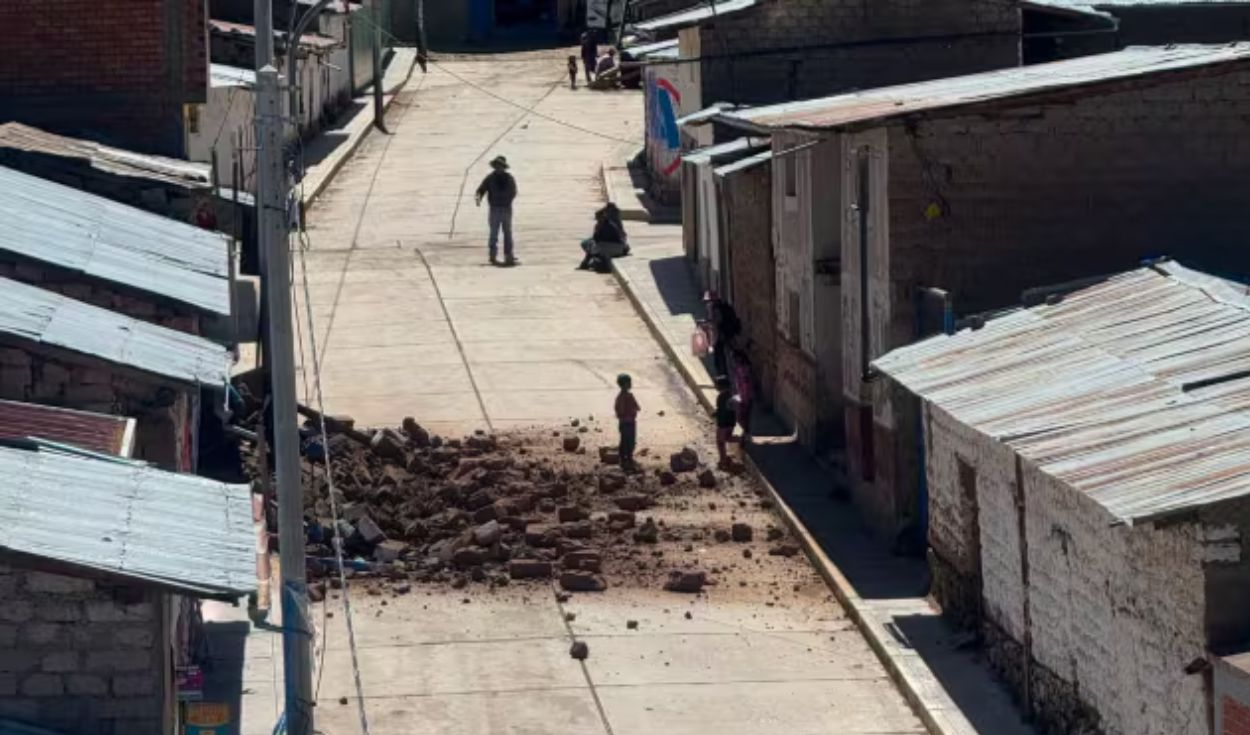
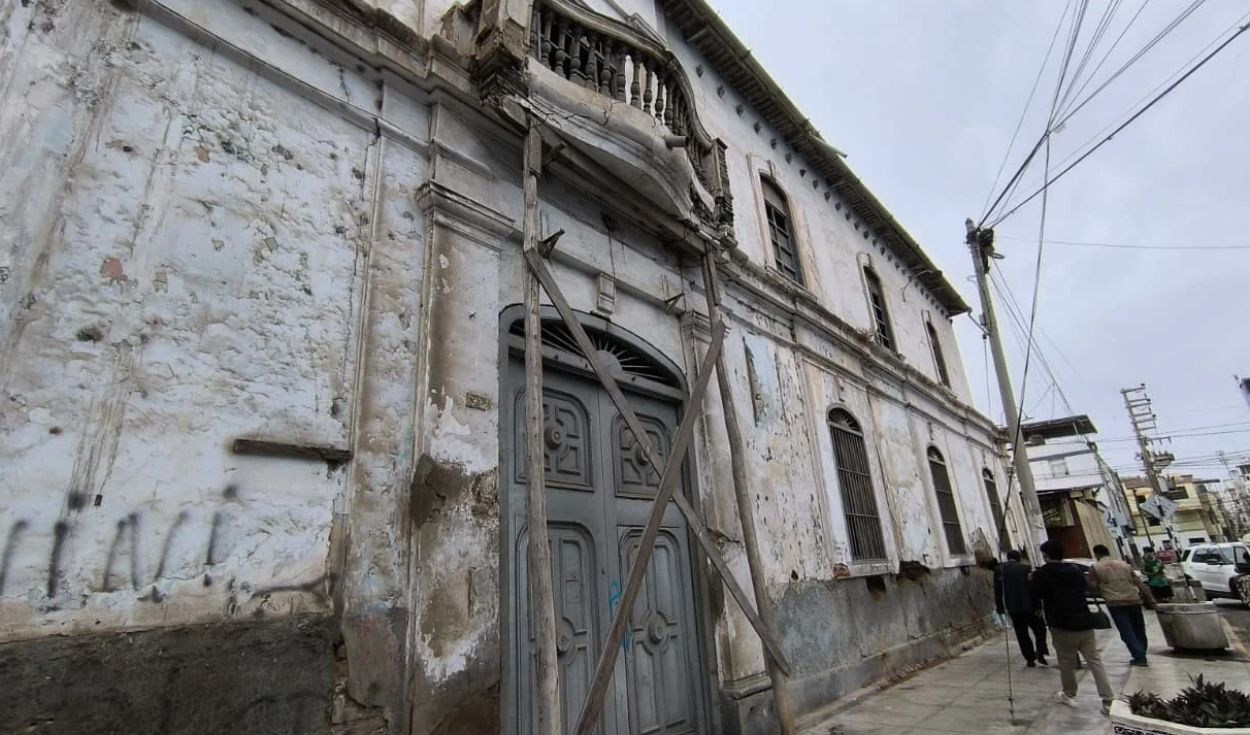
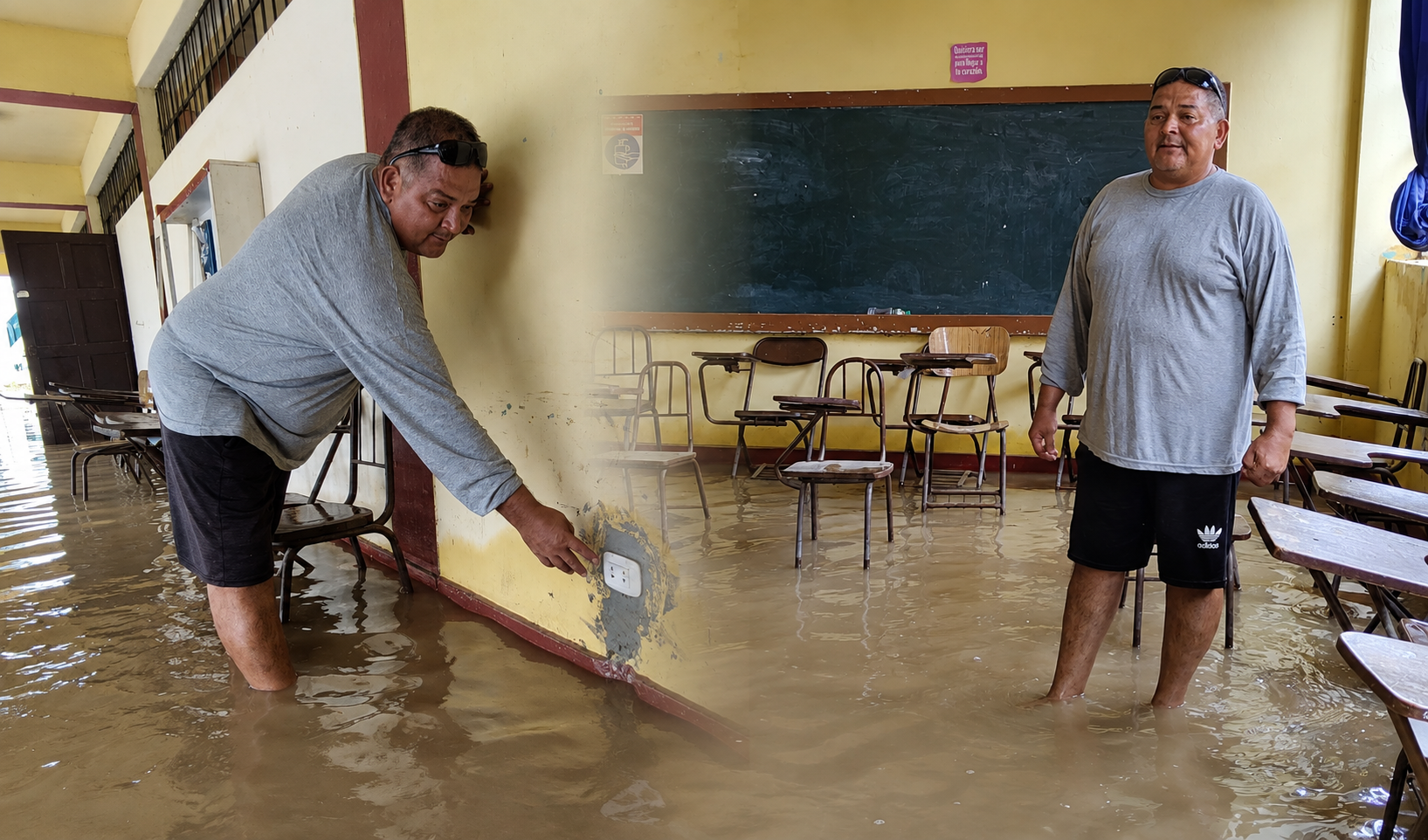
Peru faces a critical infrastructure crisis in its public schools, leaving thousands of students vulnerable to natural disasters like the El Niño phenomenon and earthquakes. Many educational facilities suffer from deterioration, stalled construction, and exposure to flooding, creating a precarious environment for learning.
Luis Lescano, former president of the National Education Council, highlights the alarming growth of the infrastructure gap, which surged from approximately S/60 billion in 2014 to over S/160 billion by 2026. He notes that more than half of public schools exhibit problems with infrastructure, basic services, or connectivity, with a staggering 26% in a calamitous state. "We are not prepared, unfortunately," Lescano stated, underscoring the nation's lack of readiness.
The situation is exacerbated by numerous stalled projects. A report from the Comptroller General's Office reveals that the education sector has 337 halted projects, representing an investment of over S/4 billion. Of these, 113 are specifically school and educational center constructions, amounting to S/1.179 billion. Some projects have been in limbo for over a decade, such as the Palma Grande educational institution in Cajamarca, initiated in 2012 with only 28% completion, and the I.E. N.° 70351 Senka in Puno, with 9.98% progress since 2016.
Alfredo Luna, director of the Master's in Construction and Real Estate Management at Centrum PUCP, warns that educational infrastructure is inadequately prepared for changing climatic conditions. The Ministry of Education estimates a deficit exceeding S/171 billion, with 26,905 public educational facilities needing replacement due to structural risks, endangering over 1.2 million students. The threat is widespread, with CENEPRED identifying 5,084 educational facilities at very high risk of flooding and another 10,982 at high risk between June and August 2026, demanding designs adaptable to diverse risks like coastal floods, Andean landslides, and Amazonian overflows.
We are not prepared, unfortunately.
DistantNews Editorial
Originally published by La República in Spanish. Translated, summarized, and contextualized by our editorial team with added local perspective. Read our editorial standards.
More Stories

From Our Blog

What Gets Lost (and Found) When News Is Translated

The Critical Role of Diaspora Media in Global News

What Travellers Should Know About Countries with Restricted Press

A Digital Nomad's Guide to Following Local News

How the Same Story Looks Different in Different Countries
