


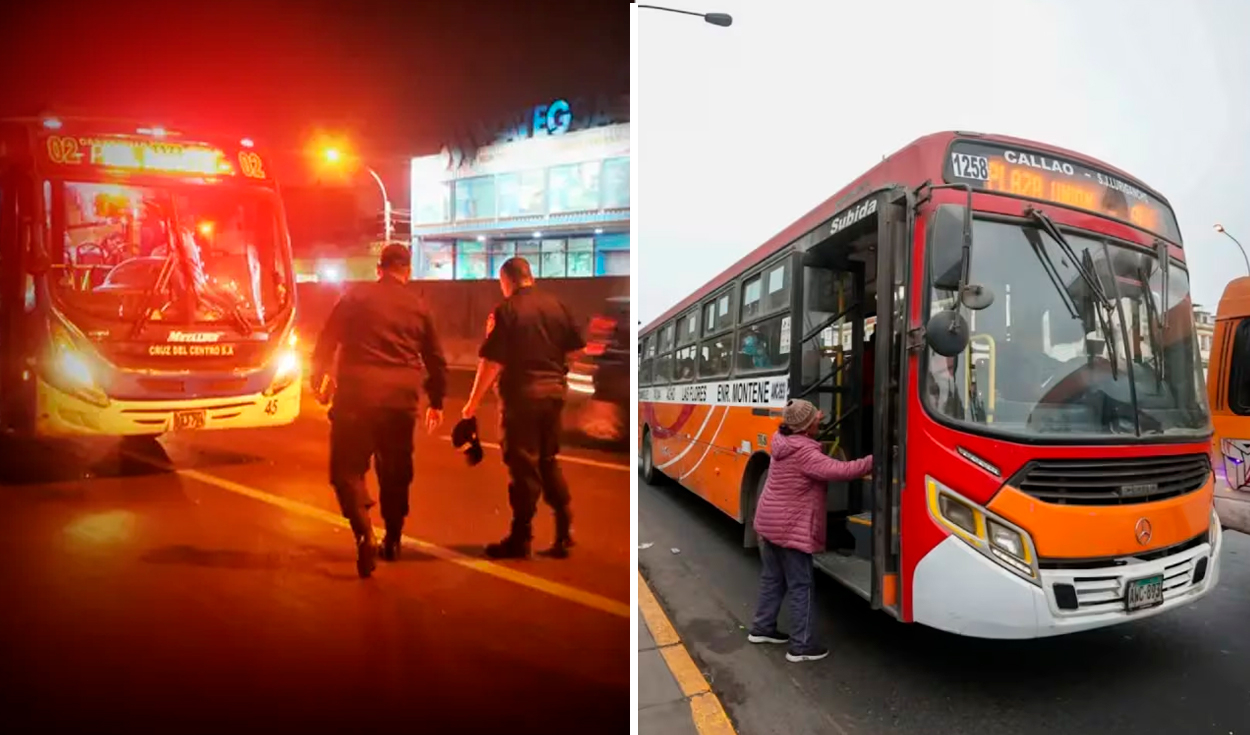
Peru to boost night patrols on public transport routes amid crime wave
Translated from Spanish, summarized and contextualized by DistantNews.
At a glance
News
Official statement
New plan
- Peru's Ministry of the Interior will increase nighttime patrols on critical public transport routes due to a rise in extortion and attacks.
- The measure aims to enhance the safety of transport workers and passengers, particularly during nighttime hours when criminal activity is highest.
- Authorities are collaborating with transport companies to identify high-risk routes and times, and will also intensify efforts against informal transportation services.
Peru's Ministry of the Interior announced an increase in preventive patrols on public transport routes most affected by crime. This response comes amid a surge in extortion and violent attacks targeting interprovincial transport companies.
The measure seeks to strengthen the safety of transporters and passengers, especially during the night, when the highest number of criminal incidents are recorded.
The initiative specifically targets nighttime hours, which have been identified as the period with the highest incidence of criminal activity. The goal is to bolster the security of both transport operators and the thousands of passengers who rely on these services daily. The announcement was made during a working session involving transport company representatives and relevant government entities.
Representatives from various interprovincial transport firms, including Zbuss, participated in the meeting. They shared crucial information with the National Police of Peru (PNP) and the Ministry of the Interior, detailing the specific routes and times where extortion, threats, and armed attacks are most concentrated. This intelligence will enable the PNP to optimize its operational deployment and strengthen coordination with local governments and other competent institutions.
This information will allow the National Police to optimize operational deployment and strengthen coordination with local governments and other competent institutions.
In addition to reinforcing patrols, authorities have agreed to intensify oversight of informal transportation services. The Ministry views informal transport as a factor that can facilitate criminal operations and pose greater risks to both formal companies and passengers. The collaborative effort aims to provide targeted interventions in high-crime sectors, thereby reducing the impact of criminal organizations on public transportation.
Reinforcing security on these routes is a priority to reduce the impact of criminal organizations on this service.
DistantNews Editorial
Originally published by La República in Spanish. Translated, summarized, and contextualized by our editorial team with added local perspective. Read our editorial standards.
More Stories



From Our Blog

What Gets Lost (and Found) When News Is Translated

The Critical Role of Diaspora Media in Global News

What Travellers Should Know About Countries with Restricted Press

A Digital Nomad's Guide to Following Local News

How the Same Story Looks Different in Different Countries
