



Peru: Understanding CTS balances to ensure timely access to funds
Translated from Spanish and summarized by DistantNews. Read the original for the full story.
At a glance
News
Named sources
Context piece
- Peruvian workers are advised on the difference between 'saldo contable' (accounting balance) and 'saldo disponible' (available balance) for their Compensación por Tiempo de Servicio (CTS) deposits.
- Companies must deposit CTS by May 15th, covering November 2025 to April 2026.
- Failure to deposit CTS correctly is a serious infraction, with fines ranging from S/ 2,475 to S/ 143,660.
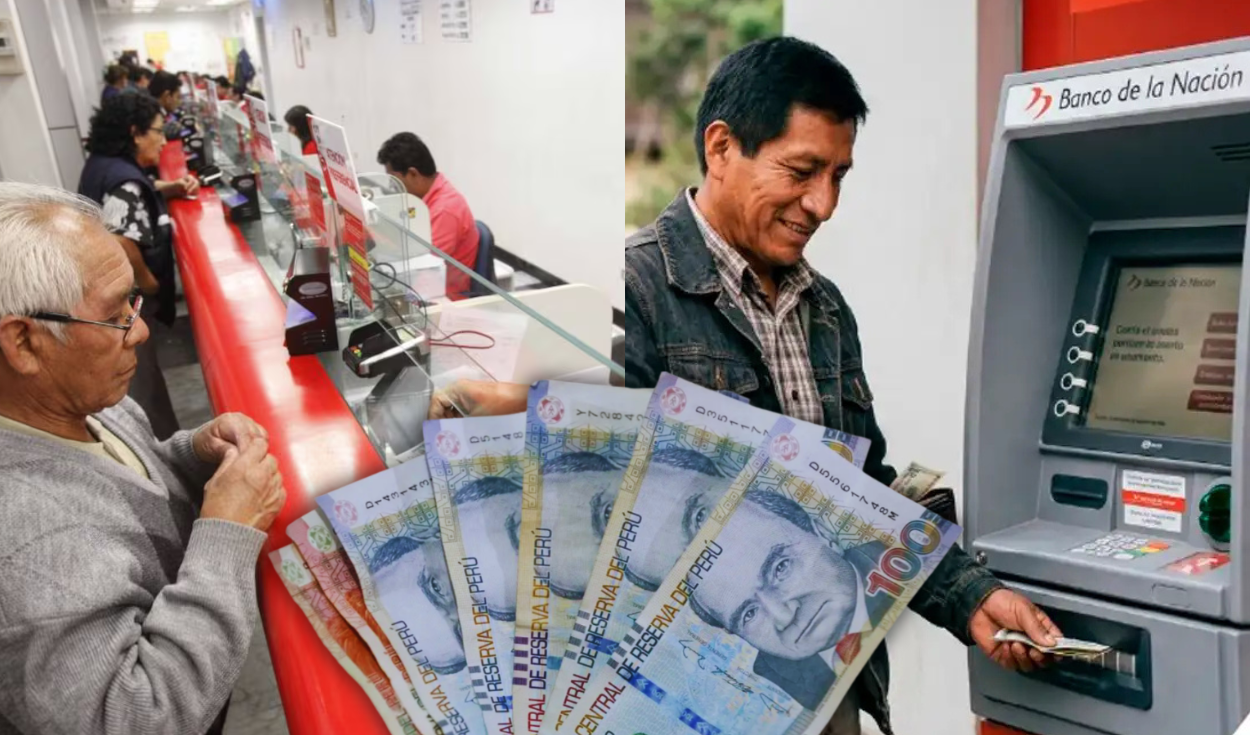
In Peru, the annual deposit of Compensación por Tiempo de Servicio (CTS), a crucial employee benefit, is a time-sensitive matter that often leads to confusion among workers. La República's report clarifies the distinction between an 'accounting balance' and an 'available balance' in bank accounts, a detail that can prevent workers from accessing their funds immediately after the deposit. This explanation is vital because while companies have until May 15th to make the first of two annual CTS deposits, the funds may not be instantly accessible due to internal bank processing times, which can take up to 48 business hours.
The accounting balance represents the total amount deposited into a bank account, even if a portion of that money is still undergoing internal verification by the bank and is therefore not available for immediate withdrawal or transfer.
The article emphasizes the legal obligations of employers, highlighting that failing to deposit the CTS in full and on time constitutes a 'grave infraction.' The potential fines are substantial, ranging from approximately $670 to over $38,000 USD, depending on the size of the company and the number of affected employees. Furthermore, depositing the CTS into an incorrect financial institution, against the employee's prior designation, is also considered a serious offense. This underscores the regulatory framework designed to protect workers' financial benefits in Peru.
The available balance is the amount that has already been processed and is therefore free for your use.
From a Peruvian perspective, understanding these nuances is critical for financial planning and ensuring that labor rights are upheld. La República, as a prominent national newspaper, plays a key role in disseminating this information, empowering workers to monitor their benefits and hold employers accountable. The story highlights a common point of friction between labor and management, where administrative processes can inadvertently create barriers for employees. The clear explanation of balances and the penalties for non-compliance serve as both a guide for workers and a warning to employers, reflecting a national focus on labor law adherence and worker protection.
Employers who do not deposit the CTS in full and on time are committing a serious infraction and could be sanctioned with fines ranging from S/ 2,475 to S/ 143,660, depending on whether it is a small company or a large company (Non-Mype) and the number of workers affected.
About this summary
Originally published by La República in Spanish. Translated, summarized, and contextualized automatically by DistantNews, with a note on how the source frames the story. Not individually reviewed before publishing. How this works.
More Stories
From Our Blog

News in Translation: What Gets Lost, and How We Keep the Framing

Diaspora Media: How Communities Abroad Follow Home

Traveling Where the Press Is Not Free: How to Read the News There

The Digital Nomad's Guide to Local News

The Same Story, Different Countries: How Coverage Changes at the Border
