

Peru warns of complex earthquakes, highlights Lima's vulnerability
Translated from Spanish, summarized and contextualized by DistantNews.
At a glance
News
Sources not specified
Context piece
- Peru's Geophysical Institute warns of complex earthquakes with multiple large-magnitude events, citing the 2007 Pisco earthquake as an example.
- Lima's vulnerability to earthquakes is influenced by soil quality, building age, and population density, with specific areas identified as high-risk.
- Strengthening public preparedness through prevention culture, identifying safe zones, and participating in drills is crucial for mitigating earthquake risks.
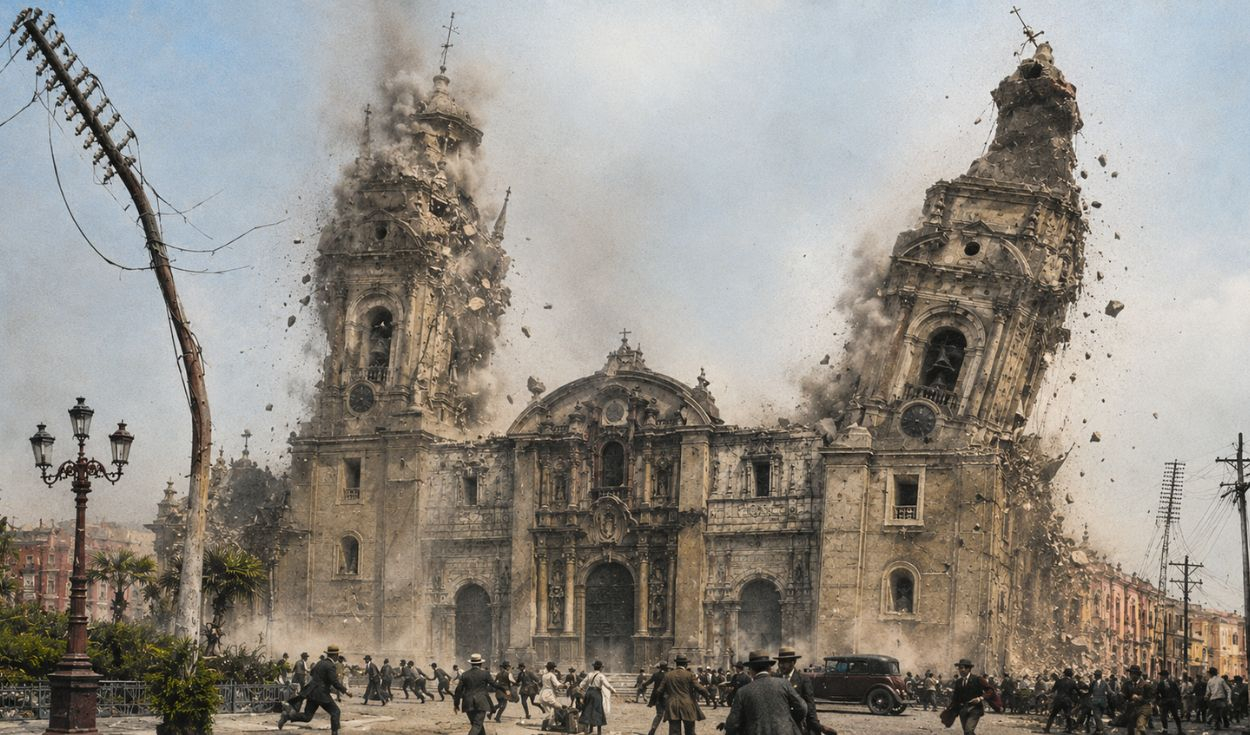
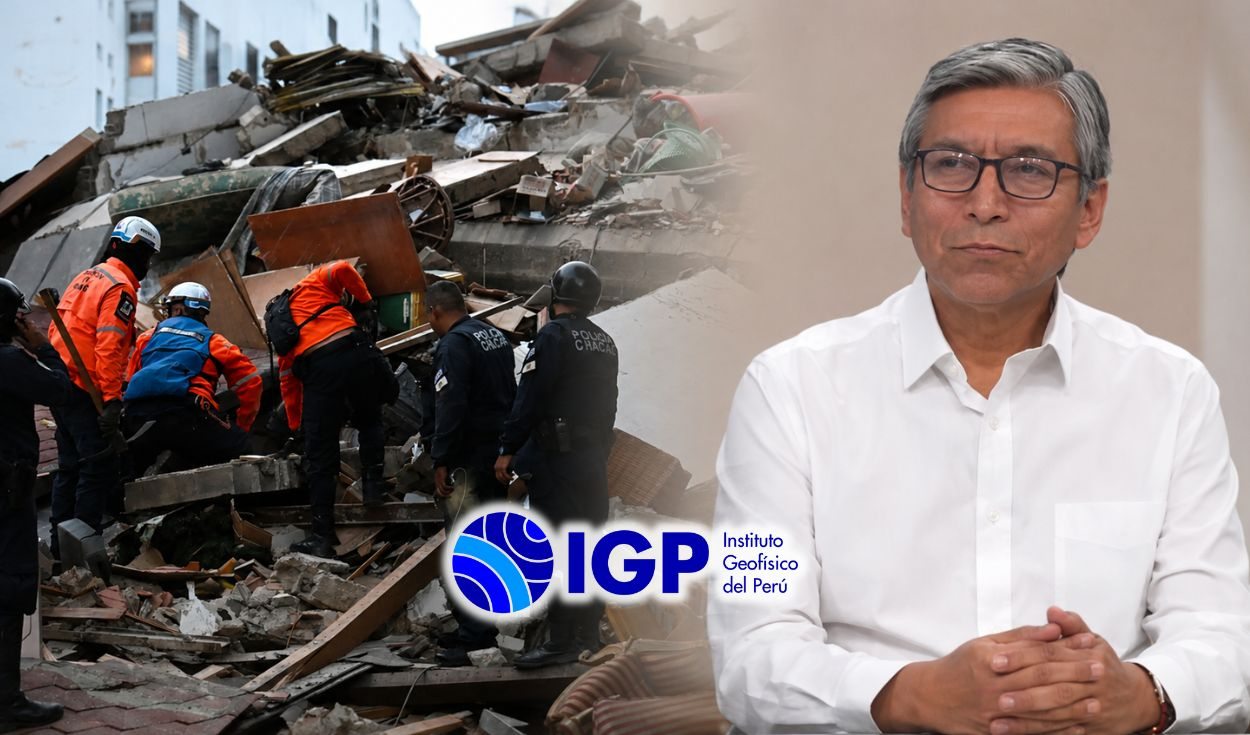
Peru's Geophysical Institute (IGP) warns that the country could experience complex earthquakes involving multiple large-magnitude events, a scenario that has occurred before. Hernando Tavera, president of the IGP, pointed to the 2007 Pisco earthquake as an instance where two consecutive ruptures were felt by the population, even in Lima.
Tavera explained that a zone of energy accumulation exists off the coast of Lima, where a major earthquake could eventually strike. The capital's vulnerability, he noted, is not confined to specific districts but is a combination of factors. These include the quality of the soil, the age and structural integrity of buildings, the terrain's morphology, and the concentration of inhabitants.
Areas like Lomo de Corvina in Villa El Salvador are particularly vulnerable due to sandy soils. Other high-risk zones include parts of Ventanilla, homes on hillsides, riverbanks, and those built through self-construction. Older districts in Callao and Cercado de Lima also face increased risk due to the age of their structures.
The IGP emphasizes that the tectonic dynamics of the Pacific Ring of Fire make repeat occurrences of multi-phase earthquakes possible in Peru. Tavera reiterated that the most effective way to reduce risks is to foster a culture of prevention. This includes identifying safe spots within homes and buildings, knowing evacuation routes, and regularly participating in family, work, and school drills to ensure the population is better prepared for a major seismic event.
DistantNews Editorial
Originally published by La República in Spanish. Translated, summarized, and contextualized by our editorial team with added local perspective. Read our editorial standards.
More Stories
From Our Blog

What Gets Lost (and Found) When News Is Translated

The Critical Role of Diaspora Media in Global News

What Travellers Should Know About Countries with Restricted Press

A Digital Nomad's Guide to Following Local News

How the Same Story Looks Different in Different Countries
