

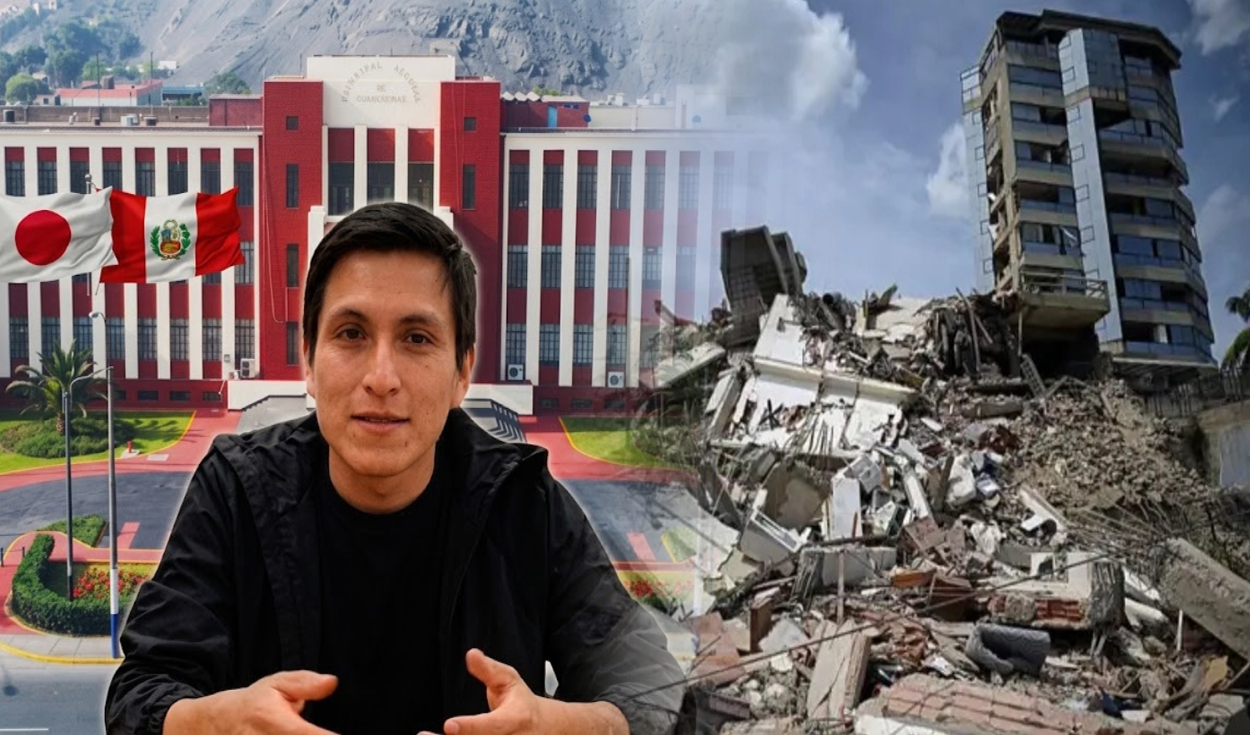
Peruvian engineer trained in Japan pioneers earthquake damage prediction project
Translated from Spanish, summarized and contextualized by DistantNews.
At a glance
News
Sources not specified
Context piece
- Peruvian engineer Julian Palacios, trained in seismic engineering in Japan, leads a project using computer simulations to predict earthquake damage in Peru.
- The initiative focuses on essential buildings like hospitals and schools, employing advanced models to assess seismic scenarios and inform disaster prevention planning.
- While current building codes show favorable results, informal construction remains a significant vulnerability, highlighting the need for ongoing research and mitigation efforts.
A Peruvian civil engineer, Julian Palacios, is spearheading a critical project aimed at mitigating earthquake damage in Peru by leveraging advanced seismic engineering expertise gained in Japan. Palacios, an alumnus of the National University of Engineering (UNI) and a specialist in seismic engineering from the University of Tokyo, is utilizing sophisticated computer simulations to anticipate the impact of major earthquakes on the nation's essential infrastructure.
The project, developed with support from the Japan International Cooperation Agency (JICA), focuses on recreating historical seismic events to understand how current structures would respond. The team at the Peruvian Japanese Center for Seismic Research and Disaster Mitigation (CISMID) employs computational models that incorporate real-world data. These simulations allow for the analysis of entire urban sectors and the performance of strategic infrastructures, including hospitals, homes, and educational facilities.
Initial findings suggest that buildings constructed according to current technical standards demonstrate a favorable response to significant seismic activity. However, Palacios cautions that the prevalence of informal construction remains a major challenge, substantially increasing the vulnerability of many urban areas. The computational demands of these simulations are met through cloud computing services.
This initiative comes at a crucial time, as recent earthquakes in Venezuela have once again highlighted the urgent need for prevention and preparedness in Peru. The insights generated by Palacios's project are intended to support decision-making processes and optimize resource allocation during emergency situations, ultimately aiming to enhance the country's resilience against seismic threats.
DistantNews Editorial
Originally published by La República in Spanish. Translated, summarized, and contextualized by our editorial team with added local perspective. Read our editorial standards.
More Stories

From Our Blog

What Gets Lost (and Found) When News Is Translated

The Critical Role of Diaspora Media in Global News

What Travellers Should Know About Countries with Restricted Press

A Digital Nomad's Guide to Following Local News

How the Same Story Looks Different in Different Countries
