

Peruvian province protects bees, recognizing their vital role in food production and ecosystems
Translated from Spanish, summarized and contextualized by DistantNews.
At a glance
News
Sources not specified
Context piece
- Peru's Moyobamba province has declared the protection of bees a matter of local public interest.
- The ordinance aims to safeguard honeybees, native stingless bees, and their habitats, recognizing their crucial role in agriculture and ecosystems.
- This initiative seeks to bolster agricultural sustainability, conserve biodiversity, and support the local beekeeping economy, which benefits hundreds of families.
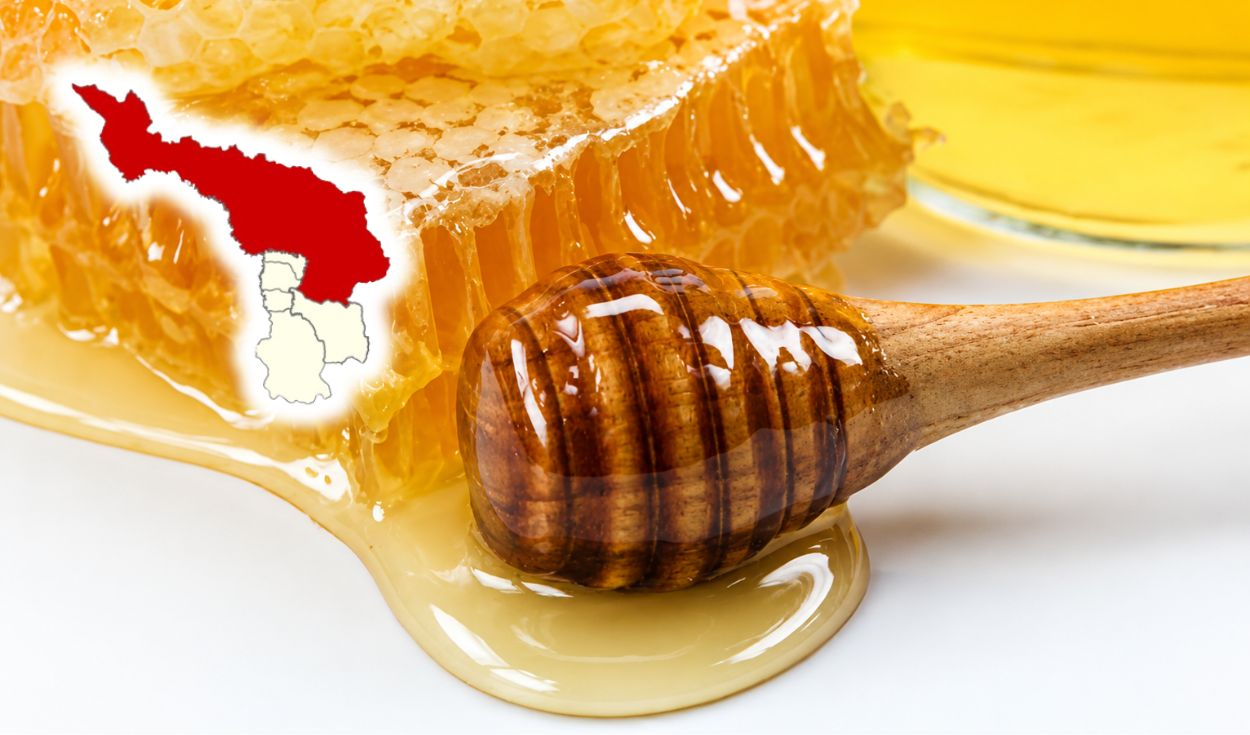
Moyobamba, a province in Peru's San Martín region, has taken a significant step to protect its pollinators by approving an ordinance declaring the safeguarding of bees a matter of local public interest. This measure, formalized through Municipal Ordinance No. 673-MPM, positions Moyobamba as one of the first provinces in the Peruvian Amazon to enact specific legislation for the protection of bees.
The ordinance specifically targets honeybees, native stingless meliponini bees, and the natural spaces essential for their development. Its core objectives are to strengthen agricultural sustainability and promote actions that enhance biodiversity conservation. Bees and other pollinators are vital for agriculture, with specialists noting that over 75% of crops for human consumption rely on pollination for fruit and seed production. A decline in pollinator populations poses a direct threat to food security and agricultural productivity.
To combat this, the ordinance will drive awareness campaigns, encourage sustainable farming practices, and reduce threats such as the improper use of agrochemicals and habitat loss. The initiative was spearheaded by the Regional Government of San Martín, through its Regional Directorate of Production and the Regional Beekeeping Project, in collaboration with public institutions, experts, and beekeeping stakeholders.
Beyond their environmental significance, bees play a crucial economic role in Moyobamba. The province currently boasts 204 beekeepers managing 1,216 hives, making beekeeping a vital income source for many rural families. Authorities believe that by bolstering pollinator conservation, they can also stimulate related agricultural and honey production value chains, fostering sustainable development in the region. Hanns Limmer Collazos Marina, coordinator of the Regional Beekeeping Project, highlighted the ordinance's recognition of bees' strategic value for both agriculture and ecosystem preservation, marking an important advancement in the region's sustainable natural resource management.
DistantNews Editorial
Originally published by La República in Spanish. Translated, summarized, and contextualized by our editorial team with added local perspective. Read our editorial standards.
More Stories


From Our Blog

What Gets Lost (and Found) When News Is Translated

The Critical Role of Diaspora Media in Global News

What Travellers Should Know About Countries with Restricted Press

A Digital Nomad's Guide to Following Local News

How the Same Story Looks Different in Different Countries
