

Péter Magyar Says Europe Could Access €16.4 Billion “in a Single Day”
Translated from Hungarian and summarized by DistantNews. Read the original for the full story.
At a glance
News
Named sources
Context piece
- Péter Magyar said Europe must focus on energy security, defense industry, artificial intelligence, education and research to maintain a major global role.
- He backed a high-speed rail link connecting Warsaw, Budapest, Prague and Bratislava and urged Central European countries to seek EU funding jointly.
- Magyar criticized Hungary’s daily €1 million EU fine linked to a court ruling on migration and said border protection should remain a key responsibility of member states.
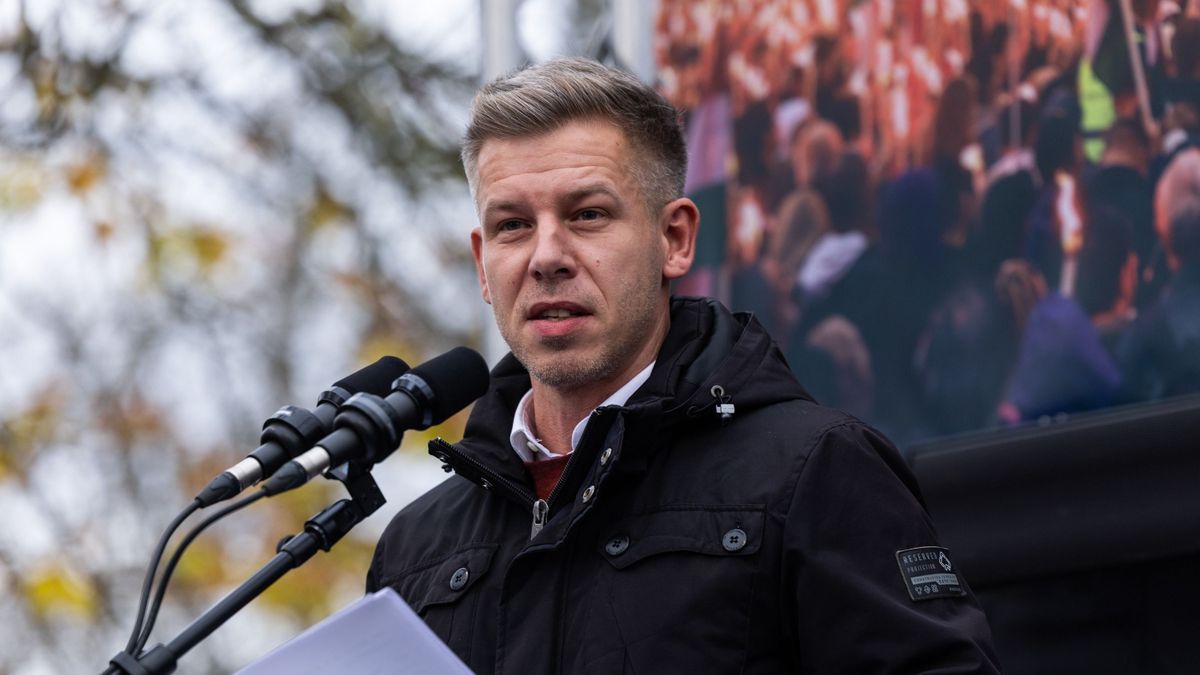
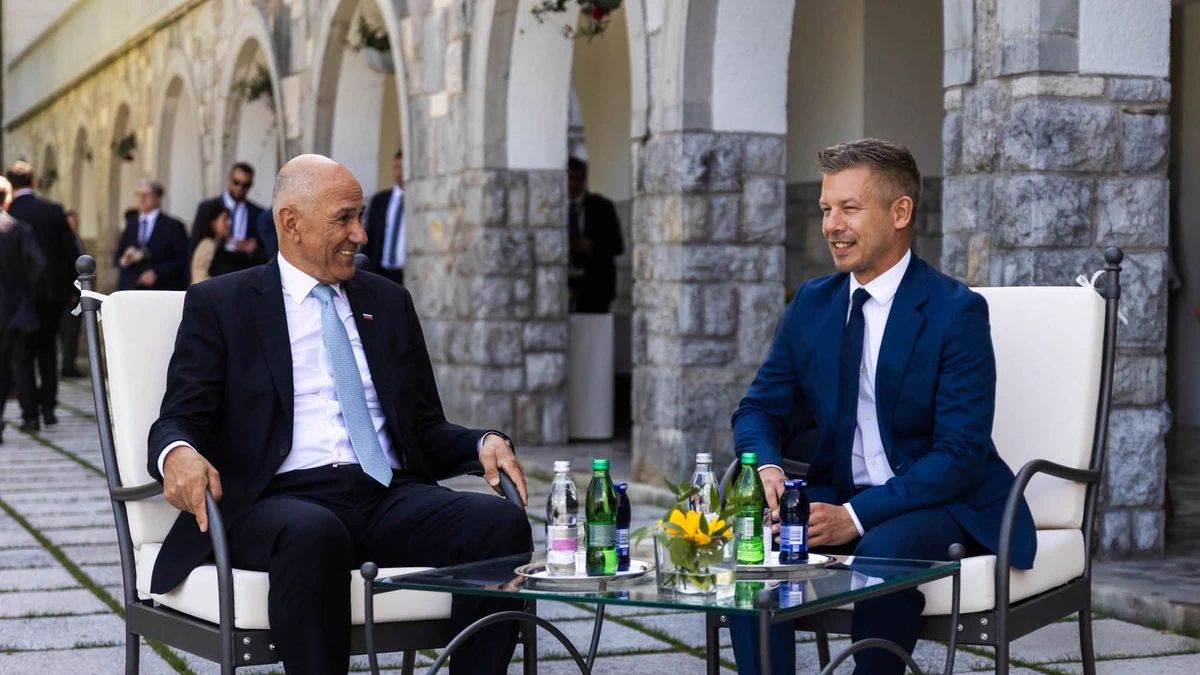
Péter Magyar used the Bled Strategic Forum to argue that Europe risks losing its global influence if it fails to invest more heavily in artificial intelligence, education and research and development. He also identified energy security and the defense industry as priorities.
Agreeing with Czech Prime Minister Andrej Babiš, Magyar described elections due to take place in Europe next year as decisive for the continent’s future. He called for more direct discussion of the European Union’s problems and less double talk, particularly in Brussels.
Very difficult to explain to Hungarians why Hungary is being treated unfairly.
Magyar highlighted a proposed high-speed rail connection linking Warsaw, Budapest, Prague and Bratislava. He said the project should be included in the EU’s next multiannual financial framework, with Central European countries working together to secure the necessary funding.
Just because we protect the common European borders.
Migration formed another major part of his remarks. Magyar said it was “very difficult to explain to Hungarians why Hungary is being treated unfairly” in Brussels. He referred to an EU court decision requiring Hungary to pay a daily fine of €1 million, saying the country was being penalized “just because we protect the common European borders.”
He called the arrangement unfair and said Hungary remained ready to act against illegal migration. More broadly, he urged European governments to concentrate less on ideological questions and more on energy links, regional cooperation, rebuilding Central European cooperation and accelerating the long-delayed EU accession of Western Balkan countries.
I think this is not fair.
About this summary
Originally published by Magyar Nemzet in Hungarian. Translated, summarized, and contextualized automatically by DistantNews, with a note on how the source frames the story. Not individually reviewed before publishing. How this works.
More Stories
From Our Blog

Countries Without a Free Press: What You Need to Know

What Press Freedom Means for the News You Read

What Gets Lost (and Found) When News Is Translated

The Critical Role of Diaspora Media in Global News

What Travellers Should Know About Countries with Restricted Press
