


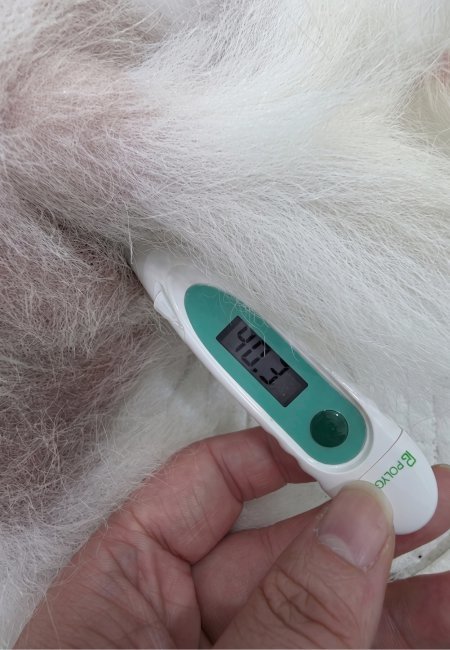
Pets Face Rising Heatstroke Risk as Summer Ends
Translated from Korean, summarized and contextualized by DistantNews.
At a glance
News
Sources not specified
Context piece
- Pet owners should remain vigilant against heatstroke in pets, as cases have increased significantly this year compared to last year.
- Recent cases involve unexpected situations like air conditioner malfunctions and walks on hot asphalt after sunset, not just extreme heat exposure.
- Prompt veterinary care is crucial, as heatstroke can rapidly lead to life-threatening conditions like kidney failure and brain damage, even in healthy animals.
As the peak of summer heat subsides with the arrival of autumn's first signs, a concerning trend has emerged: a notable increase in heatstroke cases among dogs and cats. Veterinarians report a significant rise in urgent visits for heat-related illnesses this year, often stemming from seemingly innocuous situations that can prove fatal for pets.
We are seeing a significant increase in urgent visits for heat-related illnesses in dogs and cats this year compared to last year.
While extreme heat exposure in enclosed spaces or vehicles has long been recognized as a danger, recent cases highlight new risks. Air conditioner failures during owner absences have led to pets collapsing from overheating indoors. Additionally, a rise in post-walk distress has been observed, with pets suffering from heatstroke after evening walks on asphalt that retained the day's heat.
Even perfectly healthy young animals can suddenly become critically ill from heatstroke.
Veterinarians emphasize that even healthy young animals are vulnerable to rapid, severe deterioration from heatstroke. Unlike humans, pets have limited mechanisms for cooling down; dogs pant and cats groom, but these are insufficient when temperatures and humidity become excessive. The consequences of delayed treatment, such as acute kidney failure, brain damage, and multiple organ dysfunction, can be irreversible.
If a dog is excessively panting and drooling, or its gums and tongue turn blue, it's an emergency. Immediately cool the body with a wet towel and rush to the nearest animal hospital.
Preventing heatstroke requires ongoing vigilance. Owners should ensure indoor environments are safe by providing cooling mats or marble in shaded areas and using curtains to block direct sunlight, especially as a precaution against potential power outages or AC malfunctions. Before evening walks, checking the asphalt temperature is essential, and offering water frequently during walks is advised. Recognizing signs like excessive panting, drooling, or a blue tongue warrants immediate cooling with wet towels and a swift trip to the veterinarian. For cats, open-mouth breathing is a critical emergency sign.
If a cat is breathing with its mouth open, it's a life-or-death emergency.
DistantNews Editorial
Originally published by Dong-A Ilbo in Korean. Translated, summarized, and contextualized by our editorial team with added local perspective. Read our editorial standards.
More Stories



From Our Blog

What Gets Lost (and Found) When News Is Translated

The Critical Role of Diaspora Media in Global News

What Travellers Should Know About Countries with Restricted Press

A Digital Nomad's Guide to Following Local News

How the Same Story Looks Different in Different Countries
