


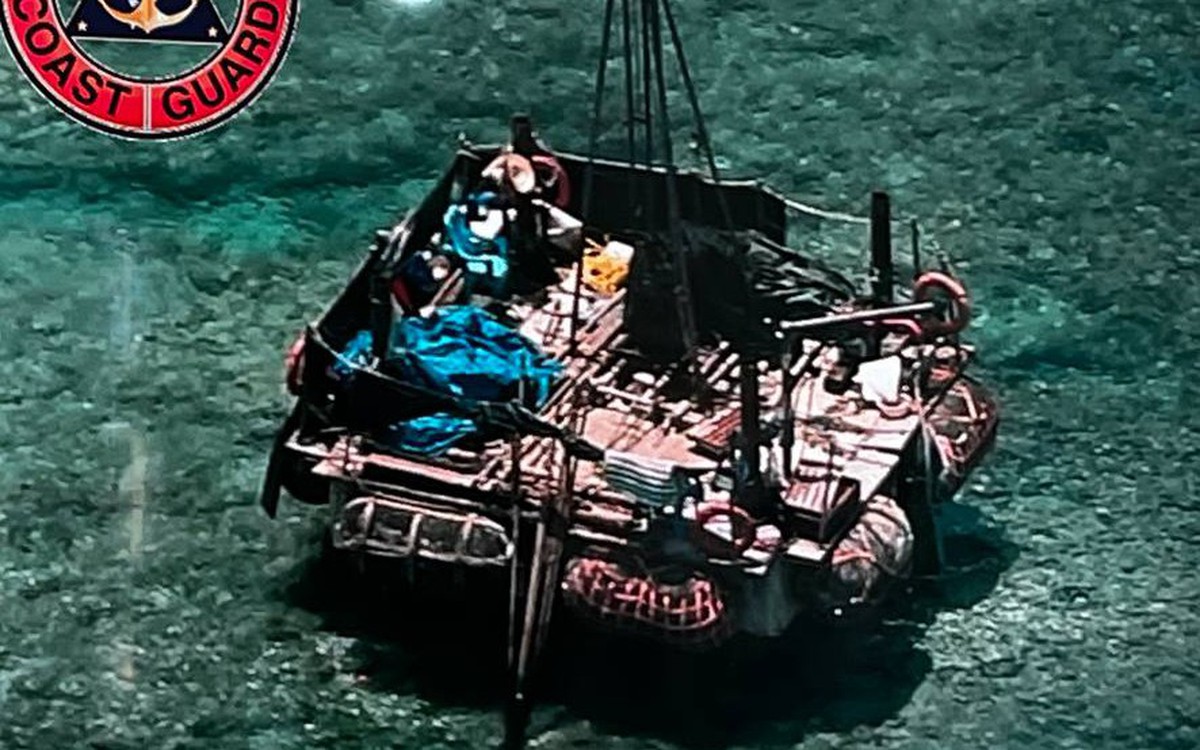
Philippines demands China remove 'floating structure' at Scarborough Shoal
Translated from Vietnamese, summarized and contextualized by DistantNews.
At a glance
News
Named sources
Ongoing story
- The Philippines has demanded China remove a "semi-permanent" floating structure near the Scarborough Shoal.
- Manila claims the structure, appearing in satellite images on May 30, violates its sovereignty as it was placed without consent.
- China asserts "indisputable sovereignty" over the shoal, calling the structure a legitimate activity and urging the Philippines to stop "provocations."
The Philippines has called on China to dismantle a floating structure that appeared near the disputed Scarborough Shoal, asserting that its presence violates Manila's sovereignty. Philippine foreign affairs spokesperson Rogelio Villanueva described the structure as "semi-permanent" during a press conference on June 10, stating it was deployed in an area without Manila's agreement. Satellite images showed the floating platform at the entrance to the shoal on May 30. Philippine officials also lodged a formal protest on June 9, expressing concern that Beijing might be attempting to establish a base at the strategic location. The Philippine Coast Guard's task force on the West Philippine Sea is closely monitoring the situation and assessing the structure's nature and purpose. They reiterated that Scarborough Shoal is part of the Philippines and lies within its internationally recognized waters. The shoal is located approximately 230 kilometers from the Philippines' Luzon island and about 1,000 kilometers from China's southeastern coast. China, however, maintains "indisputable sovereignty" over the shoal, which Beijing calls Huangyan Island. Chinese Foreign Ministry spokesperson Lin Jian stated on June 9 that any activities China conducts there, including scientific research, are legitimate sovereign rights. He urged the Philippines to cease "infringing and provocative actions at sea" and to stop "hyping up the issue."
The structure was placed in an area without the consent of Manila, thus violating the sovereignty of the Philippines.
DistantNews Editorial
Originally published by Tuổi Trẻ in Vietnamese. Translated, summarized, and contextualized by our editorial team with added local perspective. Read our editorial standards.
More Stories

From Our Blog

What Gets Lost (and Found) When News Is Translated

The Critical Role of Diaspora Media in Global News

What Travellers Should Know About Countries with Restricted Press

A Digital Nomad's Guide to Following Local News

How the Same Story Looks Different in Different Countries
