


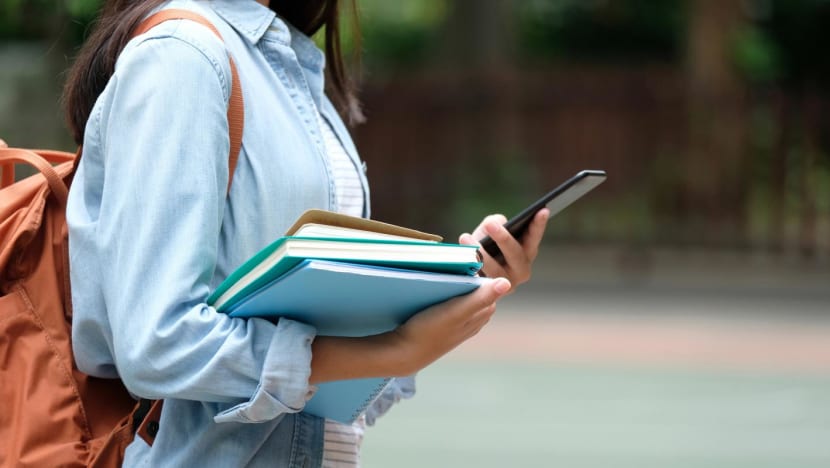
Philippines weighs social media ban for minors amid school violence, extremism fears
Translated from English, summarized and contextualized by DistantNews.
At a glance
News
Sources not specified
Context piece
- Philippine lawmakers are considering social media bans for minors due to concerns over rising school violence and online extremism.
- Proposed legislation includes age verification for platforms and potential fines up to $820,000 for non-compliance.
- Experts caution against blanket bans, suggesting enhanced platform safeguards, counseling, and parental involvement as more effective alternatives.
Philippine lawmakers are weighing significant restrictions on social media access for minors, spurred by a recent spate of school violence and fears of online extremism.
Experts say this is partly due to exposure of young people to damaging social media sites, negative influences, groomers, and terrorist groups online actively recruiting (children).
Officials have linked harmful online content to a surge in youth violence. Education Secretary Juan Edgardo Angara noted that "experts say this is partly due to exposure of young people to damaging social media sites, negative influences, groomers, and terrorist groups online actively recruiting (children)." Proposed measures include banning social media for children under 13 or 16, and requiring platforms to implement age and identity verification. Failure to comply could lead to hefty fines of up to 50 million Philippine pesos (US$820,000) or even a permanent ban from the country.
However, cybersecurity and mental health experts are sounding a note of caution. They warn that outright bans might push vulnerable youth toward less monitored, more obscure online spaces. Psychologist Peejay Bengwasan argued, "The people who we're supposed to protect get punished, rather than the people that are supposed to be punished." Instead, they advocate for stronger collaboration with digital platforms to improve detection and removal of dangerous content and to identify individuals attempting to groom or recruit children.
The people who we're supposed to protect get punished, rather than the people that are supposed to be punished.
The debate intensifies following a rare attack on June 22, where two students opened fire at San Jose National High School in Tacloban City, killing three students and injuring 20. Cybersecurity experts revealed that extremist groups, such as one known as 764, have used popular online platforms and games to recruit individuals, including one of the Tacloban shooters. "They really just like the feeling of influencing others to do harm, to do violence and to kill other people since that is part of their ideology," stated Luis Angelo Talatala of Deep Web Konek.
It's really worrying. We never thought this could happen, and that our lives are at stake every day that we go to school.
While acknowledging the role of online exposure, experts emphasize that it is not the sole cause of violent behavior. They point to underlying issues, suggesting that children exhibiting violent tendencies often face pre-existing challenges. The focus, therefore, should extend beyond social media restrictions to encompass broader support systems and interventions.
They really just like the feeling of influencing others to do harm, to do violence and to kill other people since that is part of their ideology.
DistantNews Editorial
Originally published by CNA in English. Translated, summarized, and contextualized by our editorial team with added local perspective. Read our editorial standards.
More Stories
From Our Blog

What Gets Lost (and Found) When News Is Translated

The Critical Role of Diaspora Media in Global News

What Travellers Should Know About Countries with Restricted Press

A Digital Nomad's Guide to Following Local News

How the Same Story Looks Different in Different Countries
