

Phone Line Registry Could Fuel Black Market for SIMs and Identity Theft, Experts Warn; Expert Urges Deadline Postponement
Translated from Spanish, summarized and contextualized by DistantNews.
At a glance
News
Sources not specified
New plan
- Mexico's mandatory mobile phone line registration, due June 30, aims to combat crime like extortion and fraud.
- Critics argue the system could increase identity theft and black markets for SIM cards, suggesting a postponement.
- While the government claims it will aid investigations, privacy advocates worry about increased surveillance and potential risks for journalists and activists.
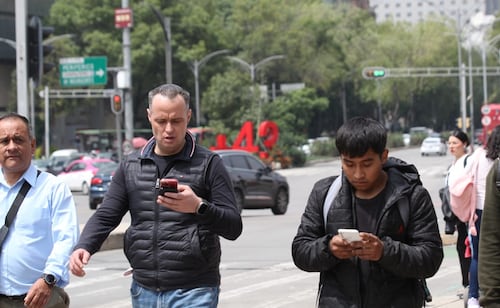
Mexico's mandatory registration of mobile phone lines, set to conclude on June 30, has sparked debate over its effectiveness in combating crime and its potential impact on privacy. The federal government initiated the registration process in January 2026, stating its purpose is to curb offenses such as extortion, fraud, and kidnapping.
However, José Flores of the Network in Defense of Digital Rights (R3D) expressed concerns that the registry might inadvertently fuel other illicit activities. "What happens is a phenomenon of criminal displacement. This means that other illegal activities begin to emerge, such as black markets for SIM cards on social media, phone theft, and identity theft. Criminals will not use lines associated with their names," Flores stated in an interview.
Flores advocates for postponing the deadline, arguing that there is insufficient evidence to support the government's claims that the registration will reduce crime. He pointed to analyses by GSMA, a global association of mobile network operators, which have reportedly shown no correlation between phone line registration and decreased criminality. Instead, he warned that the system could lead to the "de-anonymization" of phone lines, granting authorities greater insight into individuals' activities and potentially endangering activists, journalists, and political opponents.
President Claudia Sheinbaum, however, has defended the measure, estimating that Mexico has approximately 158 million mobile phones. She described the registration, managed by mobile companies, as crucial for security, particularly in addressing extortion. She assured that the system is not for surveillance and that authorities would only access user data if a crime was committed using a specific phone line.
Por el contrario, en términos de seguridad pública, lo que ocurre es un fenómeno de desplazamiento criminal. ¿Qué quiere decir esto? Que comienzan a surgir otras actividades ilícitas como mercados negros de tarjetas SIM en redes sociales, robo de teléfonos, suplantación de identidad. La delincuencia no va a utilizar líneas asociadas a su nombre
DistantNews Editorial
Originally published by El Universal in Spanish. Translated, summarized, and contextualized by our editorial team with added local perspective. Read our editorial standards.
More Stories

From Our Blog

What Press Freedom Means for the News You Read

What Gets Lost (and Found) When News Is Translated

The Critical Role of Diaspora Media in Global News

What Travellers Should Know About Countries with Restricted Press

A Digital Nomad's Guide to Following Local News
