



Phu Quoc attracts investment as tourism and infrastructure improve
Translated from Vietnamese and summarized by DistantNews. Read the original for the full story.
At a glance
News
Named sources
Context piece
- Vietnam's real estate market is undergoing a healthy purification, with investors shifting focus from speculative gains to assets with genuine demand and clear development potential.
- Key criteria for investors now include assets with cash flow, strong real demand driven by tourism or residency, and unique, non-replicable concepts.
- Phu Quoc is highlighted as a market demonstrating these trends, attracting investment due to its tourism and improving infrastructure, with projects like Selavia Phú Quốc exemplifying these desirable traits.
The Vietnamese real estate market is experiencing a much-needed 'healthy purification,' as noted by the Vietnam Real Estate Market Research and Appraisal Institute (VARS IRE). This isn't a market collapse, but rather a maturation process where speculative fervor gives way to sustainable value.
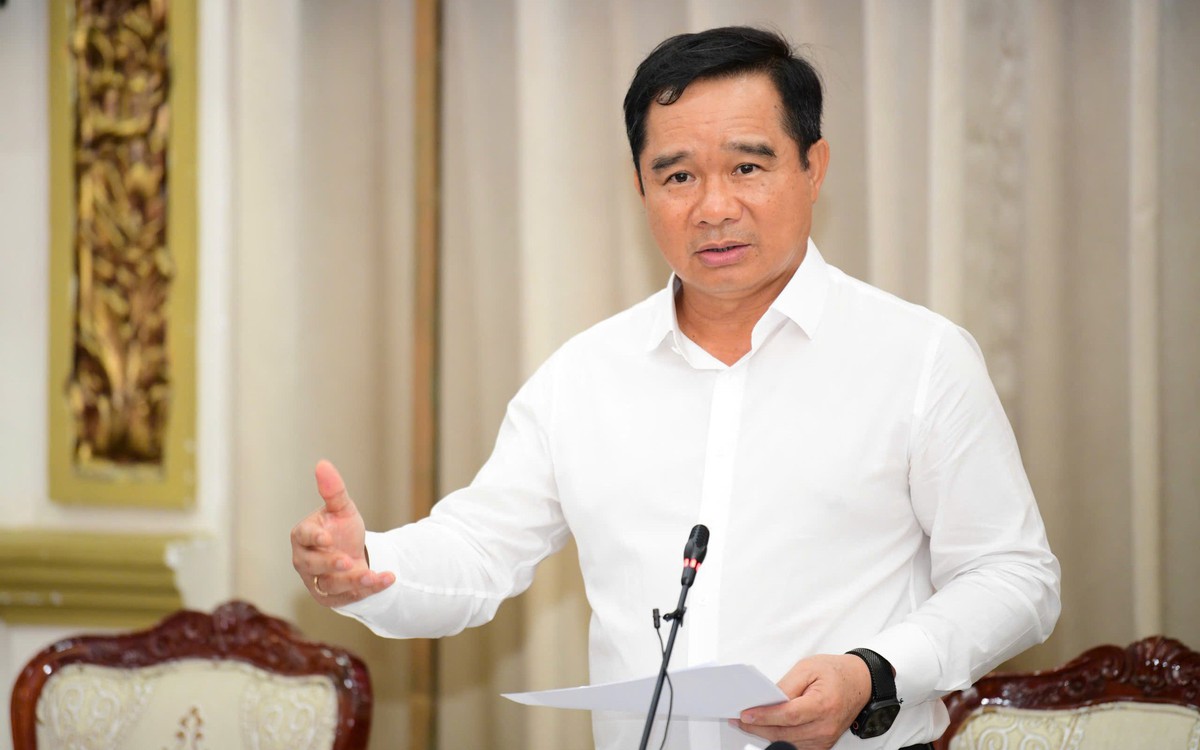
The market is undergoing a 'healthy purification': buyers are more cautious, choosing more carefully – from legal aspects, developer capacity to actual exploitation and sustainable growth prospects.
Investors are wisely moving away from properties with weak foundations or those solely reliant on short-term price appreciation. Instead, the focus is sharpening on assets that offer tangible benefits: consistent cash flow through rental or operational income, and a solid base of real demand, particularly from tourism or residential needs. This shift is crucial in an environment of rising capital costs, where the ability to generate income is paramount.
Money on the market has not left real estate, but is shifting to areas with real demand, real living potential, and price growth prospects linked to infrastructure.
Furthermore, the discerning investor now seeks properties with a clear, unique concept – something that cannot be easily replicated. In this 'screening' phase, properties lacking a distinct identity or a compelling development story will struggle to maintain appeal. Phu Quoc is emerging as a prime example of this trend, attracting capital not just on promises, but on verifiable fundamentals. The island's robust tourism and ongoing infrastructure development, including the expansion of its international airport, underscore its long-term potential.
Assets with cash flow, not completely dependent on price speculation. In an environment of rising capital costs, assets that can be exploited through rent or operation will create an important financial buffer for investors.
Projects like Selavia Phú Quốc, developed by TTC Phú Quốc (a subsidiary of the nearly 47-year-old TTC Group), are positioned to benefit from this market evolution. The developer's financial strength and experience are significant assets, especially when investors are scrutinizing project viability. Selavia aims to offer more than just standard resort products; it seeks to create a comprehensive integrated complex, aligning with the market's demand for well-defined, sustainable developments.
Markets with real demand. When speculative money leaves, areas with tourists, accommodation needs, and real service consumption will have a more sustainable liquidity foundation.
About this summary
Originally published by Tuổi Trẻ in Vietnamese. Translated, summarized, and contextualized automatically by DistantNews, with a note on how the source frames the story. Not individually reviewed before publishing. How this works.
More Stories

From Our Blog

News in Translation: What Gets Lost, and How We Keep the Framing

Diaspora Media: How Communities Abroad Follow Home

Traveling Where the Press Is Not Free: How to Read the News There

The Digital Nomad's Guide to Local News

The Same Story, Different Countries: How Coverage Changes at the Border
