


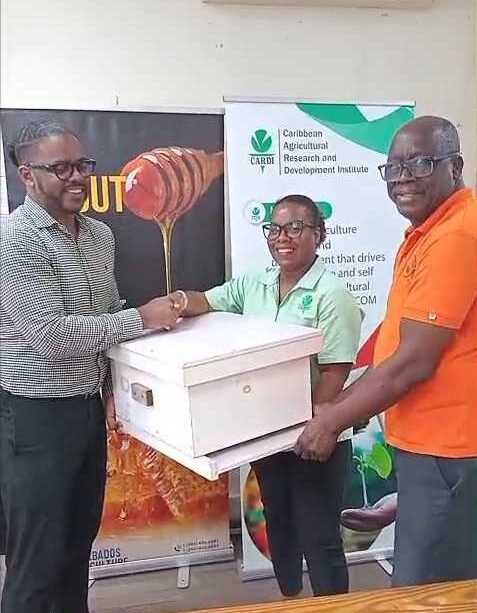
Pilot Integrates Honeybee Pollination into Farming
Translated from English and summarized by DistantNews. Read the original for the full story.
At a glance
News
Named sources
Context piece
- A pilot has developed an innovative method to integrate honeybee pollination into farming practices.
- This integration aims to enhance crop yields and promote sustainable agriculture.
- The initiative highlights the importance of natural pollination processes in modern farming.
In a groundbreaking development for sustainable agriculture, a pilot has ingeniously integrated honeybee pollination into farming practices, offering a novel approach to boosting crop yields and promoting ecological balance. This innovative method recognizes the critical role of natural pollinators in food production and seeks to harness their capabilities more effectively.
The integration of honeybee pollination into farming is not merely an experimental endeavor but a strategic move towards more resilient and productive agricultural systems. By understanding and facilitating the bees' natural behaviors, farmers can potentially see significant improvements in the quality and quantity of their harvests. This approach aligns with global trends towards eco-friendly farming and reducing reliance on artificial inputs.
This initiative serves as a powerful reminder of the intricate relationship between biodiversity and food security. As conventional farming methods sometimes overlook or even harm natural pollinators, this pilot's work emphasizes the need to protect and integrate these vital components of the ecosystem. It showcases how innovative thinking can bridge the gap between technological advancement and natural processes, leading to more sustainable outcomes.
The success of this pilot project could pave the way for wider adoption of similar practices, encouraging a paradigm shift in how we view and implement pollination strategies in agriculture. It underscores the potential for creative solutions to address contemporary agricultural challenges, ensuring both environmental health and food sufficiency for the future.
About this summary
Originally published by Barbados Today in English. Translated, summarized, and contextualized automatically by DistantNews, with a note on how the source frames the story. Not individually reviewed before publishing. How this works.
More Stories


From Our Blog

What Gets Lost (and Found) When News Is Translated

The Critical Role of Diaspora Media in Global News

What Travellers Should Know About Countries with Restricted Press

A Digital Nomad's Guide to Following Local News

How the Same Story Looks Different in Different Countries
