


Piura homebuyers demand money back after property project delays
Translated from Spanish and summarized by DistantNews. Read the original for the full story.
At a glance
News
Named sources
Outcome reported
- Homebuyers in Piura, Peru, are demanding refunds for lots purchased in the Tahití Blue real estate project due to significant delivery delays.
- Buyers report that the developer, OL&AS group, arbitrarily extended deadlines and failed to provide clear information on the project's status.
- Peru's consumer protection agency, Indecopi, previously fined the developer for non-compliance and refusal to refund buyers.
Homebuyers in Piura are demanding their money back from the OL&AS group after the company failed to deliver lots in the Tahití Blue real estate project on time. Andrea Sánchez Chirichigno, who purchased a lot in 2021 for over $25,000, stated the contract stipulated delivery by March 2025. The company arbitrarily extended this deadline to March 2026 via email, but has again failed to meet the new date.
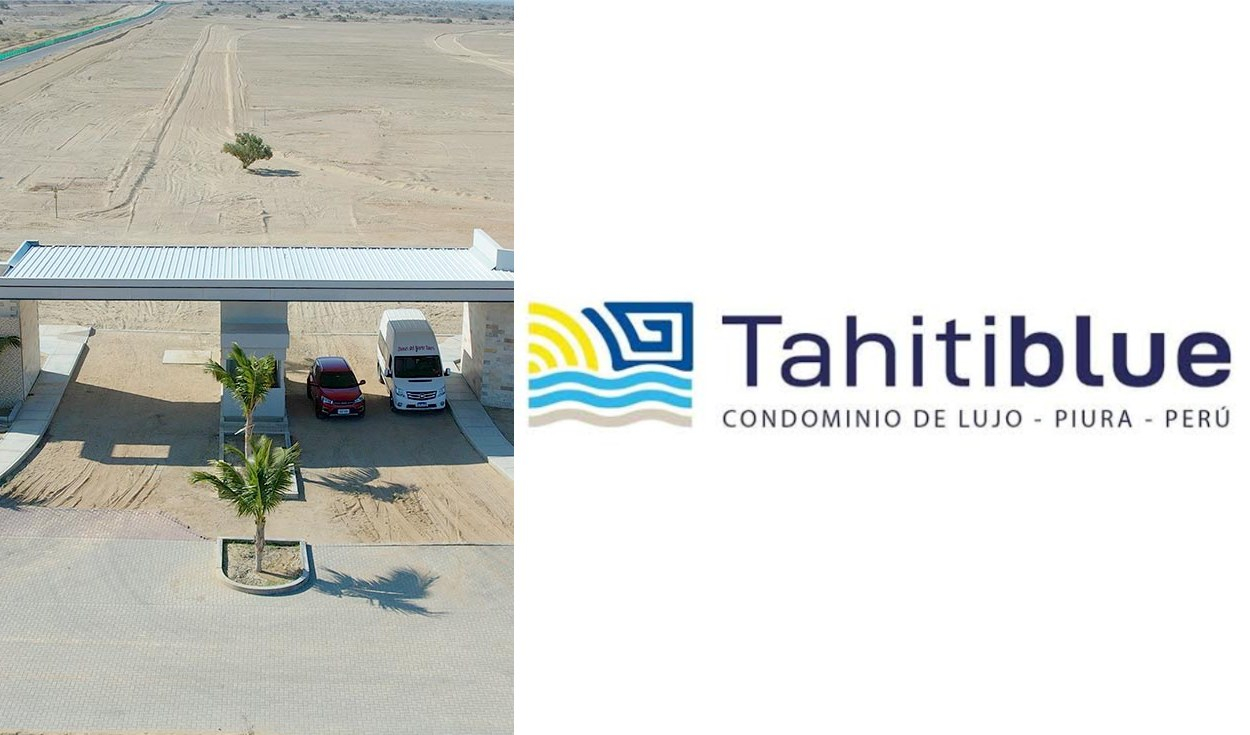
Sánchez reported that the company cited difficulties in obtaining water permits as the reason for the delay. "I don't understand how they can sell something if they don't have permits," she said. Currently, the project consists only of a gate, a connecting road, and a greenhouse. Sánchez has filed a complaint with Indecopi, Peru's consumer protection agency, seeking either the property or a full refund of her payments.
Another couple, Andrea Posavac Trelles and Javier Calderón Burneo, also purchased a lot in February 2021 for over $26,000, with an expected delivery in February 2025. They too faced similar delays and a refusal from the company to refund their money. Indecopi ruled in favor of the buyers, finding the real estate group liable for non-compliance with delivery deadlines and for refusing to return the funds. The agency imposed a fine of 22.19 UIT, equivalent to over 122,000 soles, stating that delays attributable to public entities or third parties do not exempt the company from its responsibility to consumers.
About this summary
Originally published by La República in Spanish. Translated, summarized, and contextualized automatically by DistantNews, with a note on how the source frames the story. Not individually reviewed before publishing. How this works.
More Stories



From Our Blog

What Gets Lost (and Found) When News Is Translated

The Critical Role of Diaspora Media in Global News

What Travellers Should Know About Countries with Restricted Press

A Digital Nomad's Guide to Following Local News

How the Same Story Looks Different in Different Countries
