


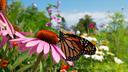
Plant These Flowers and Turn Your Garden into a Paradise for Bees and Butterflies: Here's How to Attract Pollinators
Translated from Croatian, summarized and contextualized by DistantNews.
At a glance
In-depth
Sources not specified
Context piece
- Planting specific flowers can transform a garden into a haven for bees and butterflies, crucial for fruit and vegetable yields.
- Recommended plants like sunflowers, nasturtiums, borage, and lavender attract pollinators with their nectar and provide them with food and shelter.
- These plants not only beautify the garden but also support biodiversity and improve pollination for crops like zucchini, apples, and strawberries.
Bees, bumblebees, and other pollinators play a vital role in the fertility of many fruit and vegetable crops. Without them, numerous plants cannot develop fruits, leading experts to recommend planting floral species that attract them to the garden. A graduate agricultural engineer, Ranka Vojnović, emphasizes that by carefully selecting plants, we can increase the number of pollinators and, consequently, the success of pollination.
Planting these flowers will not only beautify your garden but also attract a larger number of pollinators, offering them food and shelter. Their presence can enhance the pollination of crops such as zucchini, cucumbers, melons, watermelons, apples, and pears, often resulting in a richer harvest. A diverse selection of flowering plants ensures a nectar and pollen source throughout most of the year, contributing to biodiversity and a healthier garden ecosystem.
Sunflowers are instantly recognizable with their large yellow blooms that draw the eye and numerous pollinators. Rich in nectar, they are frequently visited by bees during the summer. They thrive in sunny locations with fertile soil and, due to their deep roots, can withstand short dry spells. Tall varieties can exceed two meters, requiring support against strong winds. After flowering, their seeds provide food for birds or can be saved for next year's sowing.
Nasturtiums are known for their vibrant flowers in shades of yellow, orange, and red. They attract bees, bumblebees, and other pollinators with their nectar-rich blossoms and are often planted alongside vegetables to liven up the garden and attract beneficial insects. They prefer sunny or partially shaded locations in well-drained soil and require little care, tolerating short periods of drought and strong sun. Their flowers and leaves are edible and frequently added to salads. Nasturtiums also attract aphids, so they are often planted near vegetables to protect other garden crops from their attacks.
Borage is considered one of the best plants for attracting bees. Its distinctive blue flowers are rich in nectar, making them a favorite for pollinators from spring to late summer. The plant grows quickly and is easily cultivated from seed, thriving in sunny or partially shaded locations with permeable soil. It requires minimal care, with occasional watering needed during extended dry periods. It is often planted alongside tomatoes, cucumbers, and strawberries, as it is believed to contribute to their better pollination.
By carefully selecting plants, we can increase the number of pollinators and, consequently, the success of pollination.
DistantNews Editorial
Originally published by Večernji List in Croatian. Translated, summarized, and contextualized by our editorial team with added local perspective. Read our editorial standards.
More Stories


From Our Blog

What Gets Lost (and Found) When News Is Translated

The Critical Role of Diaspora Media in Global News

What Travellers Should Know About Countries with Restricted Press

A Digital Nomad's Guide to Following Local News

How the Same Story Looks Different in Different Countries
