


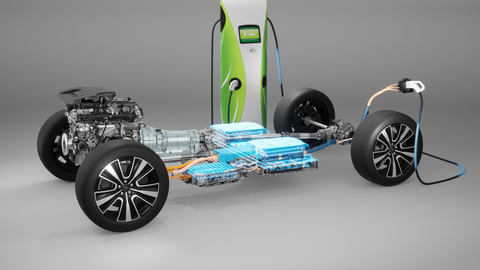
Plug-in hybrids often mislead users about their efficiency, study finds
Translated from Estonian, summarized and contextualized by DistantNews.
At a glance
News
Sources not specified
Context piece
- Plug-in hybrid vehicles offer the combined benefits of electric cars and gasoline cars, but their real-world efficiency depends heavily on user behavior.
- Regular charging is crucial for plug-in hybrids to achieve their advertised fuel economy; otherwise, users carry extra weight without significant advantage.
- Factors like cold weather, heating, and aggressive driving reduce electric range, forcing the gasoline engine to engage sooner, and studies suggest lighter, balanced models are more efficient than those with the largest batteries.
Plug-in hybrid vehicles promise the fuel efficiency of electric cars combined with the flexibility of gasoline-powered ones. However, their actual performance hinges more on driver habits than advertising suggests.
If a plug-in hybrid isn't charged regularly, owners essentially transport a heavy battery with little benefit, negating the core advantage. Cold weather, the use of heating systems, and spirited driving further diminish the electric-only range, compelling the internal combustion engine to start up sooner than anticipated.
Research indicates that the most efficient plug-in hybrid isn't necessarily the one with the largest battery. Instead, lighter and more balanced vehicles tend to perform better. This raises the question of whether these vehicles represent a truly green choice or are simply heavier gasoline cars with an added battery pack.
DistantNews Editorial
Originally published by Postimees in Estonian. Translated, summarized, and contextualized by our editorial team with added local perspective. Read our editorial standards.
More Stories



From Our Blog

What Gets Lost (and Found) When News Is Translated

The Critical Role of Diaspora Media in Global News

What Travellers Should Know About Countries with Restricted Press

A Digital Nomad's Guide to Following Local News

How the Same Story Looks Different in Different Countries
