

Plunge in oil prices: will OPEC intervene again?
Summarized and contextualized by DistantNews.
At a glance
Analysis
Sources not specified
New plan
- Oil prices have fallen to between $69 and $72 per barrel, significantly down from a recent high of $120.
- OPEC is set to meet on Sunday to discuss potential interventions, likely production cuts, to stabilize prices.
- The organization faces challenges with members' compliance and a declining market share, while non-OPEC producers benefit from current market conditions.
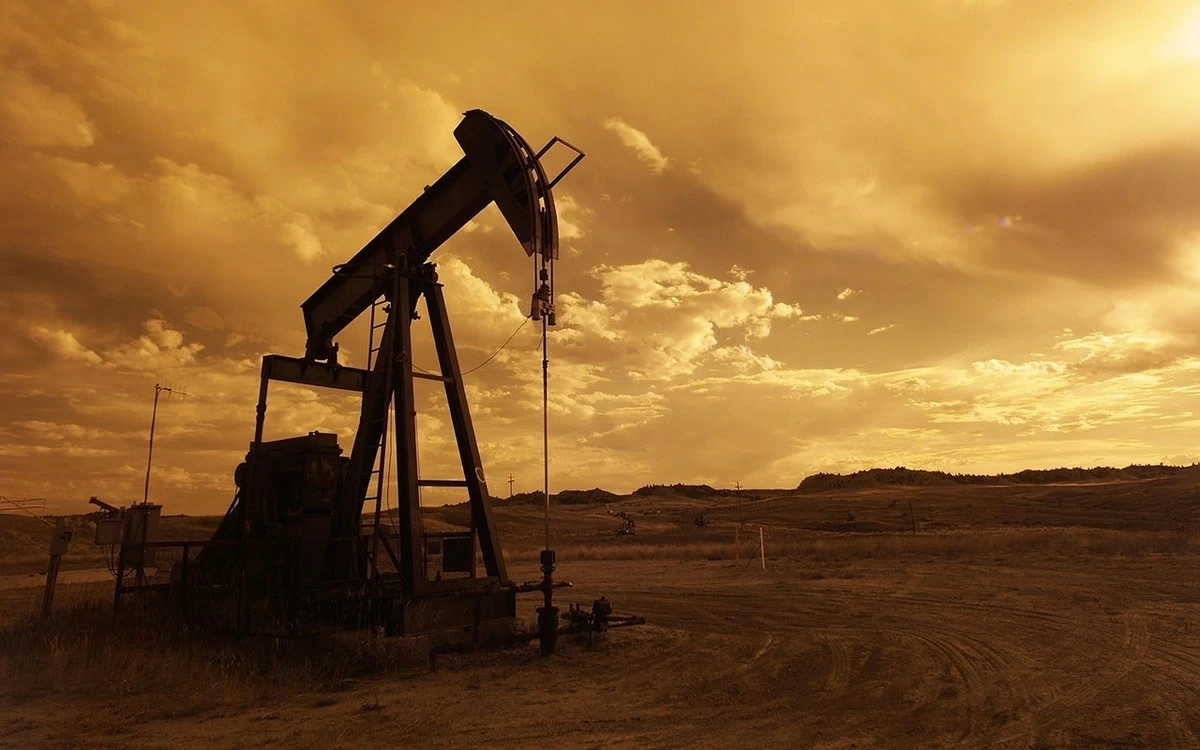
Oil prices are currently trading between $69 and $72 per barrel, a sharp decline from the $120 peak seen when the Strait of Hormuz was closed. With prices stabilizing around the $70 mark, further increases appear unlikely. Instead, the market faces potential further drops unless OPEC intervenes, a move it frequently employs.
The core question remains: how far will prices fall before OPEC decides to act? Reducing production primarily benefits competing oil producers, offering limited advantages to OPEC itself. This raises concerns about how long OPEC can continue intervening annually while steadily losing market share. The organization must consider alternative strategies to maintain stable global oil prices without sacrificing revenue and market share.
Meanwhile, non-OPEC producers are capitalizing on OPEC's actions, increasing production and expanding exploration without significant sacrifice. OPEC is scheduled to meet on Sunday, seeking a swift solution to address declining oil prices and the subsequent pressure on revenues. The agenda is expected to include the usual discussion of falling prices, with further production cuts being a likely proposal.
However, the effectiveness of these measures is often short-lived. Some member nations fail to fully comply with their production quotas, leading to increased supply and weakening prices. This creates a recurring cycle: OPEC meets, decides on cuts, attempts to stabilize the market, but weak adherence soon reappears. With global markets stable and the Strait of Hormuz open, increased oil supply is expected to drive prices lower, justifying OPEC's intervention through production curtailment. The organization will likely notify members to restrict output, aiming for an acceptable price range of $70 to $75 per barrel.
DistantNews Editorial
Originally published by Arab Times. Summarized and contextualized by our editorial team with added local perspective. Read our editorial standards.
More Stories

From Our Blog

What Gets Lost (and Found) When News Is Translated

The Critical Role of Diaspora Media in Global News

What Travellers Should Know About Countries with Restricted Press

A Digital Nomad's Guide to Following Local News

How the Same Story Looks Different in Different Countries
