


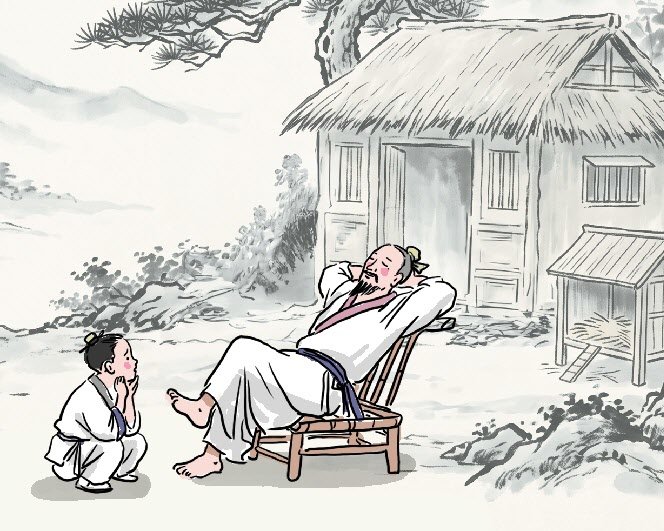
Poem Finds Calm and Humor in a Lost Chicken
Translated from Korean, summarized and contextualized by DistantNews.
At a glance
In-depth
Sources not specified
Context piece
- A classical Chinese poem describes a person unbothered by a lost chicken.
- The owner humorously imagines the thief sharing the chicken, offering condiments.
- The poem reflects a detached philosophy, finding humor and relief in the loss.
A classical Chinese poem titled 'Lost Chicken' by Wang Pan (circa 1470-1530) presents an unusual reaction to a common misfortune. Instead of distress over a missing chicken, the poem's owner remains remarkably calm, even advising a worried child not to fret.
A chicken is missing, child, do not worry so much. Every home has idle pots and stoves, cook it as you please.
The owner's imagination takes a whimsical turn, picturing the thief preparing the chicken. The poem humorously suggests that if the thief plans to boil the chicken, they should be offered three baked flatbreads, and if they intend to fry it, a pinch of pepper should be added. This imaginative scenario underscores the owner's lighthearted approach to the loss.
To those who boil it, add three baked flatbreads; to those who fry it, add a pinch of pepper.
Ultimately, the poem reveals a sense of relief. The owner notes that the absence of the chicken means one less creature to care for and, significantly, no more early morning crowing. This allows for sleeping in until the sun is high, suggesting a philosophical acceptance and even a subtle appreciation for the unexpected peace the loss has brought.
I have less to manage as the host, and the morning crowing has ceased, so I can sleep until the sun is high.
DistantNews Editorial
Originally published by Dong-A Ilbo in Korean. Translated, summarized, and contextualized by our editorial team with added local perspective. Read our editorial standards.
More Stories


From Our Blog

What Gets Lost (and Found) When News Is Translated

The Critical Role of Diaspora Media in Global News

What Travellers Should Know About Countries with Restricted Press

A Digital Nomad's Guide to Following Local News

How the Same Story Looks Different in Different Countries
