

Pogacar cheered for Tarling during Vuelta stage after brother's death
Translated from Danish, summarized and contextualized by DistantNews.
At a glance
News
Sources not specified
Context piece
- Cyclist Joshua Tarling competed in the Vuelta a España eight days after his brother's death.
- Tadej Pogacar expressed hope for Tarling's victory during the race, acknowledging a strange feeling as he himself competed.
- Tarling finished third, stating cycling helped him cope with his grief during an emotional time.
Cyclist Joshua Tarling competed in the Vuelta a España on Saturday, just eight days after his younger brother, Finlay Tarling, died following a crash in the Volta a Portugal. Many in the cycling world hoped Tarling could achieve a triumphant victory in the wake of his brother's tragic death.
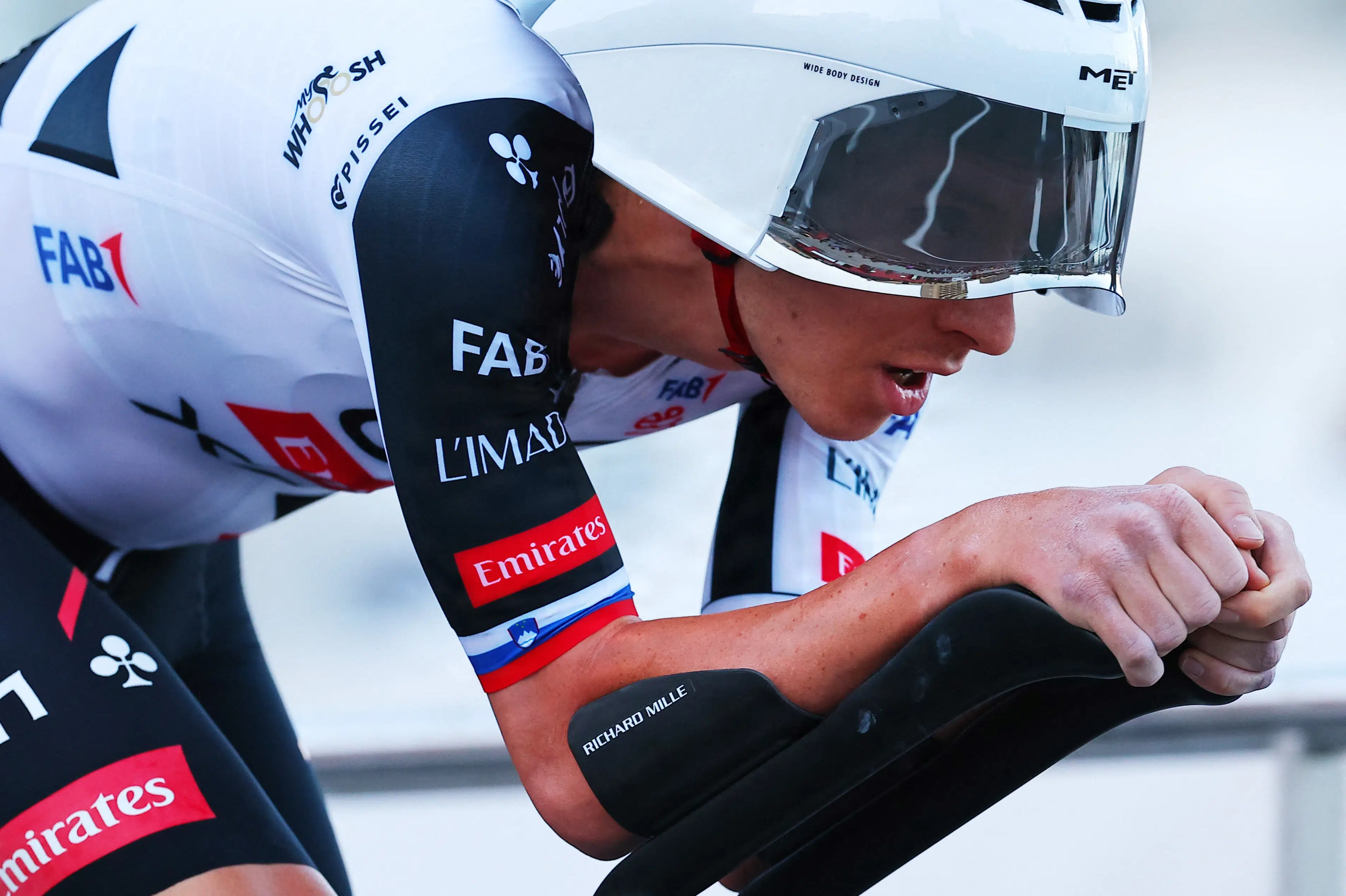
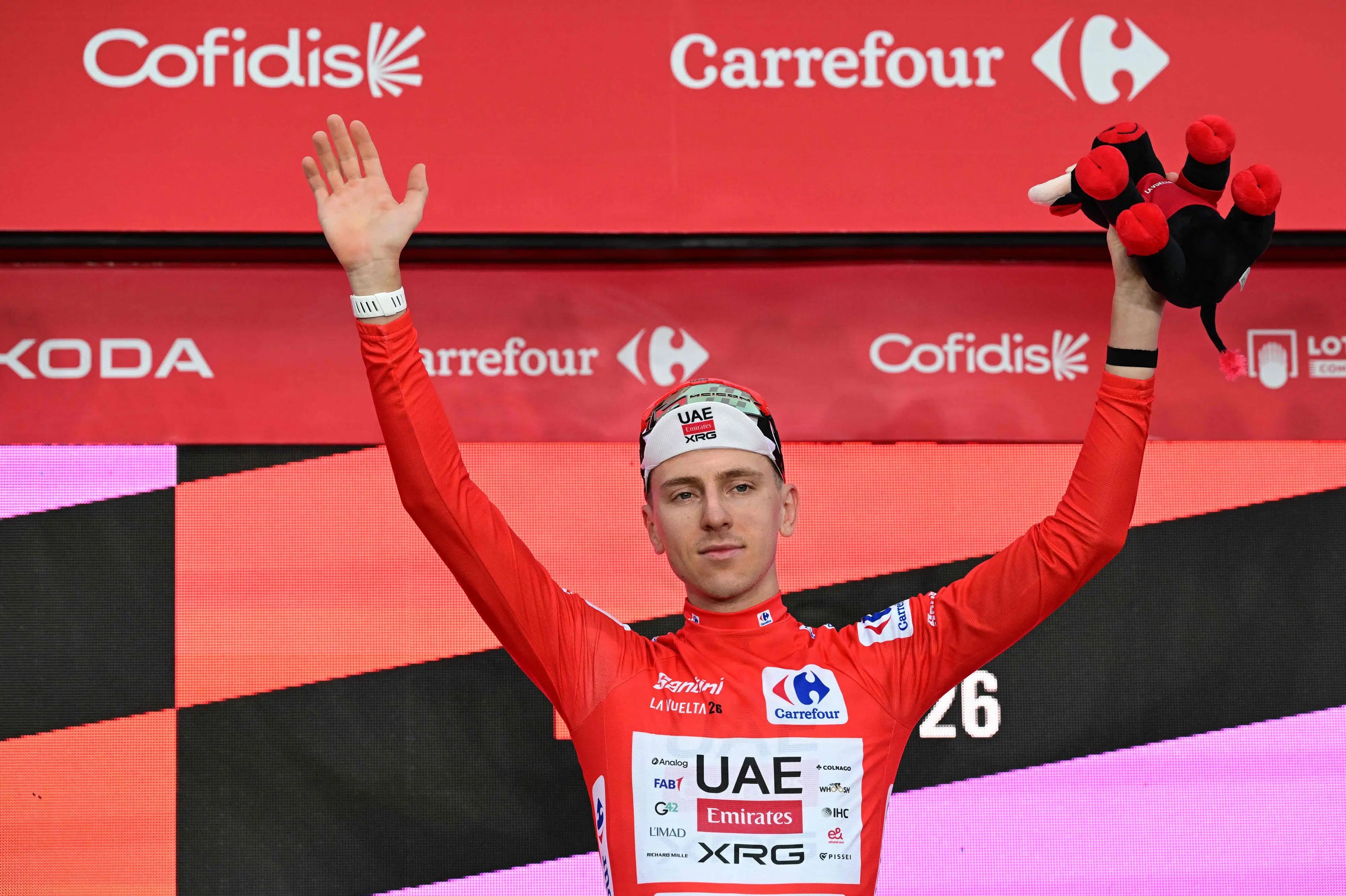
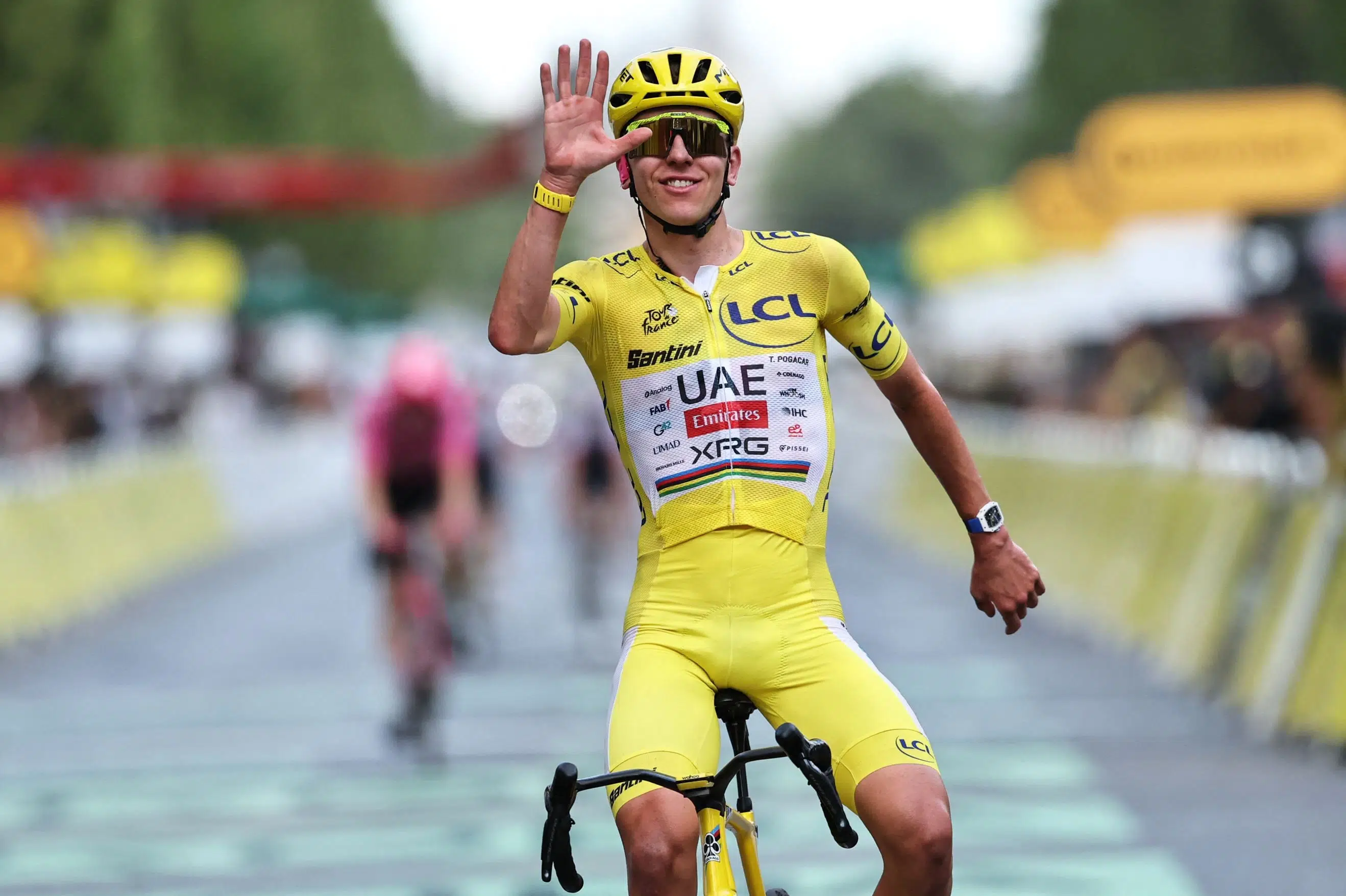
Tarling ultimately secured a third-place finish in the race's opening stage in Monaco. Superstars like Tadej Pogacar were present, with Pogacar winning the stage. Pogacar, who resides in Monaco, noted that he saw Tarling had the best intermediate time and genuinely hoped he would win. "I would of course do my best, but it was a strange moment. I was really cheering for him myself," Pogacar said in the official winner's interview.
Following the stage, Tarling shared that cycling and staying busy have helped him focus away from what he described as "a hard and emotional time." "It means a lot that I've been able to cycle, and I'm glad I could keep busy with other things. I'm happy with the team," Tarling said, according to Eurosport. He added, "I gave everything I had, but it was okay. I'm as happy as I can be. I had to distract myself."
Ethan Hayter also came close to beating Pogacar, finishing just 0.09 seconds behind the Slovenian. Pogacar, familiar with the Monaco streets he races on daily, mentioned that the technical section passing his home helped him. "It was the most technical part when we passed my house on the route. I cycle there every day, and these are my roads, and it helped me," he said.
Da jeg kørte hen til startstregen, så jeg, at Joshua havde bedste mellemtid. Jeg håbede virkelig på, at han ville vinde. Jeg ville selvfølgelig gøre mit bedste, men det var et mærkeligt øjeblik. Jeg heppede virkelig selv på ham.
DistantNews Editorial
Originally published by Berlingske in Danish. Translated, summarized, and contextualized by our editorial team with added local perspective. Read our editorial standards.
More Stories
From Our Blog

What Gets Lost (and Found) When News Is Translated

The Critical Role of Diaspora Media in Global News

What Travellers Should Know About Countries with Restricted Press

A Digital Nomad's Guide to Following Local News

How the Same Story Looks Different in Different Countries
