

Poland to build memorial for WWII massacre victims, escalating dispute with Ukraine
Translated from English, summarized and contextualized by DistantNews.
At a glance
News
Named sources
New plan
- Poland's Prime Minister Donald Tusk announced plans to build a new monument in Warsaw to commemorate Polish civilian victims of World War II massacres by Ukrainian nationalists.
- The announcement escalates a long-standing historical dispute between Poland and Ukraine, particularly concerning the actions of the Ukrainian Insurgent Army (UPA) and the Organization of Ukrainian Nationalists (OUN).
- Tusk stated the monument aims to foster truth and reconciliation, emphasizing that Europe's peace was built on acknowledging difficult historical truths, a sentiment echoed by Poland's Defense Minister.
Poland will erect a "Wall of Remembrance" in Warsaw, complete with an eternal flame and the names of every identified victim, to honor Polish civilians killed in what Prime Minister Donald Tusk described as a "genocide" by "Ukrainian nationalists" during World War II. The announcement, made on social media, aims to address a historical grievance that has long strained relations between Warsaw and Kyiv.
A Wall of Remembrance will be erected in Warsaw, with an eternal flame and the names of every victim who has been found and identified. The republic will not forget any of them.
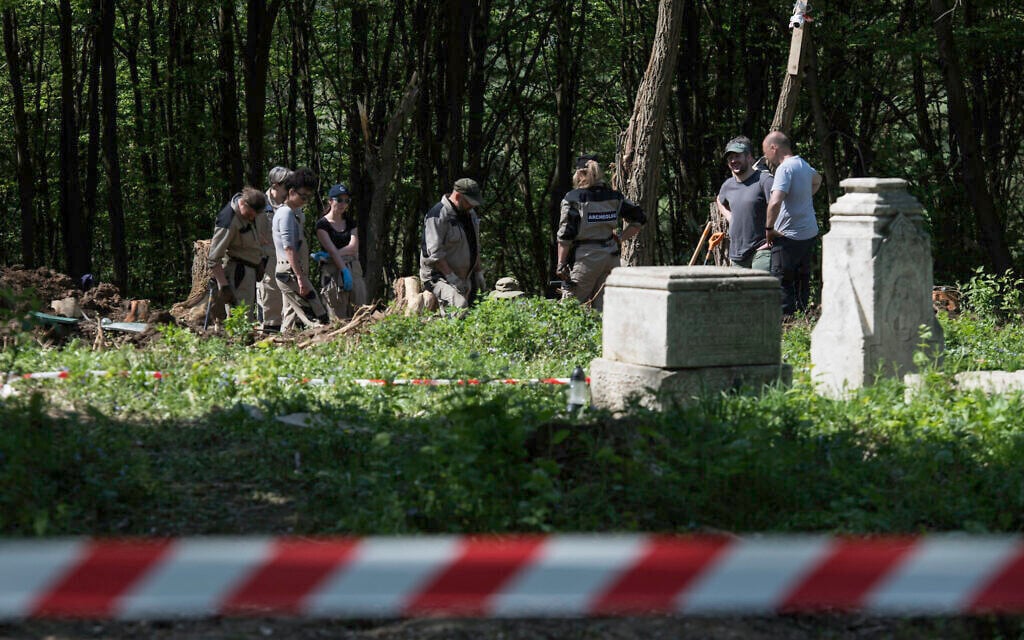
The dispute centers on the massacres of Poles in Volhynia and other regions between 1943 and 1945, attributed by Poland to the Ukrainian Insurgent Army (UPA) and the Organization of Ukrainian Nationalists (OUN). Poland estimates that 70,000 to 100,000 civilians died, while Ukrainian reprisals are believed to have killed up to 12,000. In Ukraine, the UPA and OUN are often viewed as independence fighters against Soviet rule.
memory and truth must help us build a better future, without hatred and without contempt.
This historical friction has resurfaced with recent events, including Ukrainian President Volodymyr Zelensky naming a military unit after the UPA, which caused outrage in Poland. In response, Polish President Karol Nawrocki revoked Zelensky's Order of the White Eagle, Poland's highest honor.
The Europe of peace and mutual respect, the Europe reconciled after World War II, was made possible thanks to truth and to calling things by their name.
Prime Minister Tusk framed the monument as a step toward building a better future based on "memory and truth," asserting that European peace was forged through acknowledging such difficult histories. Defense Minister Wladyslaw Kosiniak-Kamysz, speaking at a commemorative ceremony in Ukraine, called for "friendship" that includes telling "the difficult truth" to "heal wounds" rather than reopen them. Ukraine's Ambassador to Poland, Vasyl Bodnar, laid a wreath and called for "reconciliation."
Friendship means telling each other the truth, even the difficult truth.
DistantNews Editorial
Originally published by Times of Israel in English. Translated, summarized, and contextualized by our editorial team with added local perspective. Read our editorial standards.
More Stories
From Our Blog

What Gets Lost (and Found) When News Is Translated

The Critical Role of Diaspora Media in Global News

What Travellers Should Know About Countries with Restricted Press

A Digital Nomad's Guide to Following Local News

How the Same Story Looks Different in Different Countries
